
Unbiased headlines. Facts, not spin.
Unbiased Headlines is an independently owned news organization. We bring you the facts, not opinions, written fresh from 110+ named sources. Sources linked so you can verify it yourself.
 defense
Major Story (7/10)
Event date: October 13, 2026 ·
defense
Major Story (7/10)
Event date: October 13, 2026 ·
Saudi Coalition Says It Downed Two Houthi Ballistic Missiles and Three Drones Early Sunday as Egypt's Parliament Meets
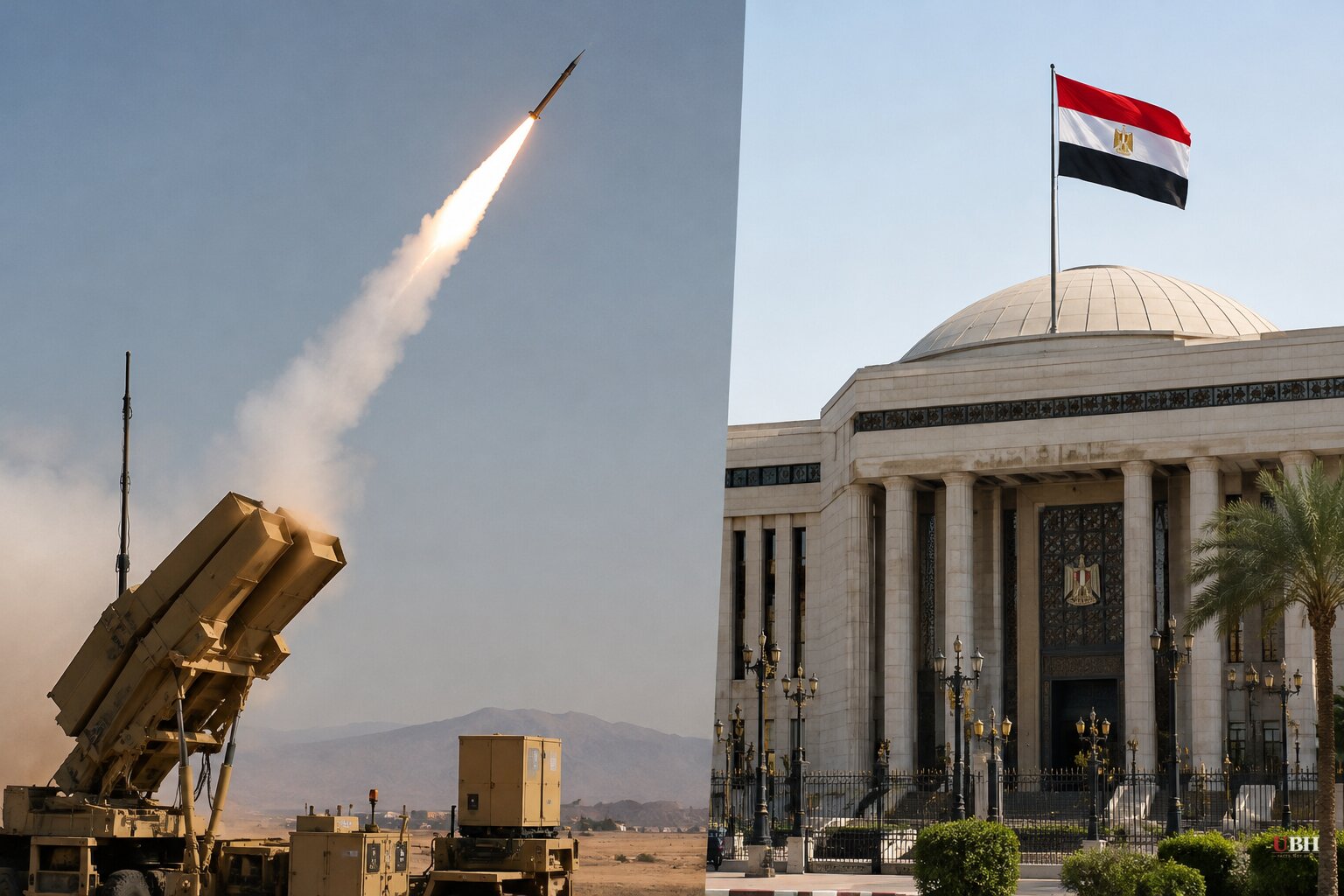
Since Houthi missiles and drones hit Riyadh's King Khalid International Airport on Oct. 10, killing 13 people, the attacks on Saudi territory have continued daily. Early Sunday, Oct. 18, the Saudi-led coalition said it intercepted and destroyed two Houthi ballistic missiles fired toward Khamis Mushait in the south, plus three drones: two over the Riyadh region and one over the Eastern Province.
Coalition spokesman Maj. Gen. Turki Al-Maliki made the announcement. Saudi Civil Defense had earlier sent warning alerts in Riyadh, Abha and Khamis Mushait, then said the danger had passed. The coalition has not reported casualties from the latest wave.
Saturday brought another round. Al-Maliki said coalition forces destroyed four drones over Riyadh, the Eastern Province and the south. He also said the air force destroyed two Houthi ballistic missile launchers in Yemen's Saada governorate and posted footage of strikes on launchers and interceptions of cruise missiles and drones.
A disputed helicopter claim
The Houthis say they shot down an Apache helicopter over Saudi Arabia's Najran region. The coalition has not confirmed a loss.
Al-Maliki's answer on Sunday was a photo of Apache helicopters on a tarmac with the caption: "She will enter the field soon. Remember what she looks like, so you do not forget." That is a taunt, not a denial or a confirmation, and the coalition has offered no further detail on the Najran claim.
The airport campaign
King Khalid airport in Riyadh has now come under at least 20 attacks since fighting between the Houthis and the Saudi-backed Yemeni government flared in July, according to Al Jazeera's count. The Oct. 10 assault involved a barrage of missiles and drones that Saudi air defenses did not intercept. Saudi Arabia has opened an investigation into how the weapons got through. At least 309 people were injured.
The airport's closure was extended through Oct. 17 under an aviation notice citing "precautionary measures." The U.S. Federal Aviation Administration has advised American airlines to use caution over Saudi airspace, and the U.S. Embassy in Riyadh has urged citizens to use "extreme caution" at Saudi airports. Several embassies, including those of the U.S. and UK, have issued travel warnings.
The Houthis frame the campaign as payback. Political bureau member Mohammed Al Bukhaiti told AFP the attacks were meant to warn Crown Prince Mohammed bin Salman "that he can no longer wage aggression against Yemen from a safe position." He also told workers at Saudi oil facilities and airports to stay away, calling the sites "legitimate targets."
Egypt, Washington and Tehran
Egyptian President Abdel Fattah el-Sisi said Saturday that Cairo would "carry out any measure to protect" Saudi Arabia if the kingdom asks. He said Egypt does not seek to intervene in regional wars, but called it "inconceivable" to stand by while Saudi Arabia is harmed. "I'm not talking about fighting anyone or attacking anyone. We are speaking only about defence," he said.
Egypt's parliament is scheduled to hold an emergency session today at Sisi's request. No vote result is available yet.
In Washington, President Donald Trump said on Oct. 12 that the Riyadh attack was "not acceptable" and that he had spoken with the crown prince. He said the U.S. would look at the possibility of joining Saudi strikes. Bukhaiti responded that any U.S. involvement would bring "a swift and painful response targeting the US and all its interests in the region." The reporting does not show that the U.S. has joined the strikes.
Saudi Arabia accuses Iran of encouraging the Houthi escalation. Iranian Foreign Minister Abbas Araghchi said Tehran supports a "comprehensive political process as the only practical and sustainable way to resolve" the conflict.
On the ground, Saudi Arabia is backing a Yemeni government counteroffensive called Dawn of Yemen and has struck Houthi targets, including an oil facility in Sanaa. The Yemeni government said its forces advanced in Marib province on Friday and that the Houthis fired two missiles at Aden's airport. Five people were killed Thursday in missile strikes near the presidential palace in Aden, which the government blamed on the Houthis.
Saudi Energy Minister Prince Abdulaziz bin Salman said Oct. 12 that recent events "tested our infrastructure, our institutions, our people, and our resilience," adding: "our response must be equally serious."
The next developments to watch are Egypt's parliamentary session today and whether the Apaches Al-Maliki teased actually go into action. Whether Trump follows his stated interest in joining Saudi strikes is still open.
Sources used for this briefing
8 links from 8 independent newsrooms (syndicated copies of the same report count once)
These are the sources it draws on, linked so you can verify.


