
Unbiased headlines. Facts, not spin.
Every story is an unbiased news briefing written from 110+ sources across the spectrum — sources linked so you can verify it yourself.
 politics
Low Interest (3/10)
June 7, 2026 at 10:54 AM
politics
Low Interest (3/10)
June 7, 2026 at 10:54 AM
Samuel Adams: The Founder Mainstream History Classes Keep Getting Wrong
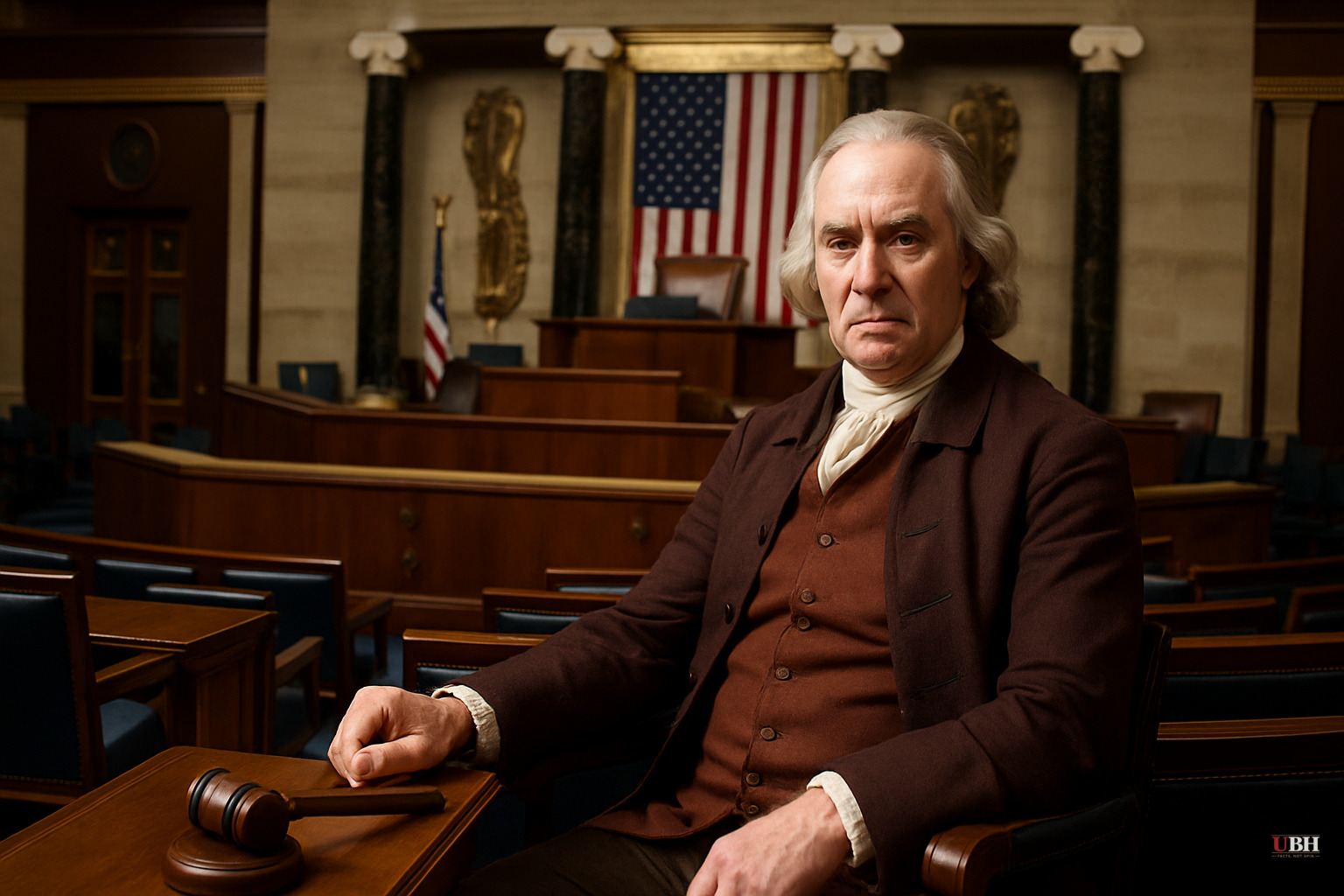
The Guy on the Beer Bottle Was a Radical
Forget the label. Samuel Adams was not a jolly colonial brewer handing out pints at the tavern.
He was the most effective political agitator the American Revolution produced.
Historian Thomas Fleming, as quoted by Libertarianism.org, put it plainly: "Without Boston's Samuel Adams, there might never have been an American Revolution."
What Made Him Different
Adams enrolled at Harvard at 14. He came out steeped in John Locke's natural rights philosophy — the idea that government exists to protect individual liberty, NOT to grant it.
He understood power the way few politicians ever do. He wrote that "ambition and lust of power above the law are…predominant passions in the breasts of most men" and that political power is "too intoxicating and liable to abuse."
A man who spent decades in political office believed, in his bones, that political power corrupts. He governed himself accordingly.
According to the National Constitution Center, when Adams served as Boston's tax collector, he routinely declined to collect taxes from townspeople who couldn't pay. A tax collector who didn't collect taxes. This unusual approach to the job offers insight into his political philosophy.
The British Were Terrified of Him
Governor Francis Bernard — the British crown's man in Massachusetts — said "every tip of his pen stung like a horned snake."
Hutchinson, the British-appointed chief justice, called Adams a man of "greatest malignity of heart." These were not casual insults. These were official complaints from men who watched Adams systematically dismantle British authority in the colonies using nothing but newspapers, committees, and relentless organizing.
Adams launched a publication called The Independent Advertiser eight years after graduating Harvard. Its stated mission: to "defend the rights and liberties of mankind." He ran it before running for anything.
Most politicians seek power first. Adams built the argument first.
He Built the Infrastructure of Revolution
According to Libertarianism.org, Adams created the Committees of Correspondence — a communication network linking the colonies together. Before Twitter, before cable news, before the telegraph, this was how you built a national movement.
He was the chief organizer of the Boston Tea Party.
When the Stamp Act landed in 1765 — taxes imposed on the colonies WITHOUT their consent — Adams led the resistance that turned into the Stamp Act Riots. According to Reason, his political mentor was James Otis Jr., the Massachusetts lawyer who coined "no taxation without representation."
The British responded to colonial protests by passing the Townshend Acts and stationing 2,000 British regulars in Boston. Adams responded by writing a defense of the right to bear arms and the right of revolution, invoking the English jurist William Blackstone.
The Second Amendment didn't appear from thin air. Men like Adams spent years making the argument before it was codified.
What the History Books Miss
Mainstream curricula tend to give Adams a cameo — Boston Tea Party, nod, move on to Franklin and Jefferson.
Thomas Jefferson called Adams "my very dear and ancient friend." John Adams — his second cousin — described him as "cool, abstemious, polished, and refined" and credited him with a "nervous elegance of style" that made lasting impressions.
Biographer Cass Canfield, cited by Libertarianism.org, noted that Adams was not the greatest orator or writer. He had a quavering voice and shaky hands from palsy. He let men like Joseph Warren and James Otis give the speeches.
What he was, Canfield wrote, was the finest "manager of men" the world had rarely seen. His sense of timing — when to push, when to conciliate — was extraordinary.
History classes don't typically focus on that skill set. Anyone can throw a firebrand speech. Adams knew when to throw it.
Why This Matters in 2026
America is marking 250 years of independence this year. Reason Magazine's July 2026 issue dedicated substantial coverage to the Founders — including pieces on what the slaveholding Founders actually believed about slavery, whether America was really founded on tariffs (it wasn't, despite what President Trump claimed during his campaign), and what makes someone genuinely American.
Adams deserves a central seat in that conversation — not because he was perfect, but because his core insight was correct: power corrupts, concentrated government is dangerous, and liberty requires active, relentless defense.
He didn't wait for someone else to do it. He started a newspaper. He organized committees. He made himself inconvenient to power at every opportunity.
The beer brand is fine. But the man behind it believed the government that governs least governs best — and he spent his life proving it was possible to win that argument.
Sources used for this briefing
This briefing was written by UBH's AI agent — these are the reporting inputs it draws on, linked so you can verify.


