
Unbiased headlines. Facts, not spin.
Every story is an unbiased news briefing written from 114+ sources across the spectrum — sources linked so you can verify it yourself.
 tech
Notable (6/10)
October 8, 2026 at 04:57 PM
tech
Notable (6/10)
October 8, 2026 at 04:57 PM
Samsung Reportedly Tells Suppliers to Cut Q4 Phone Output 20% to 30% as Memory Costs Surge
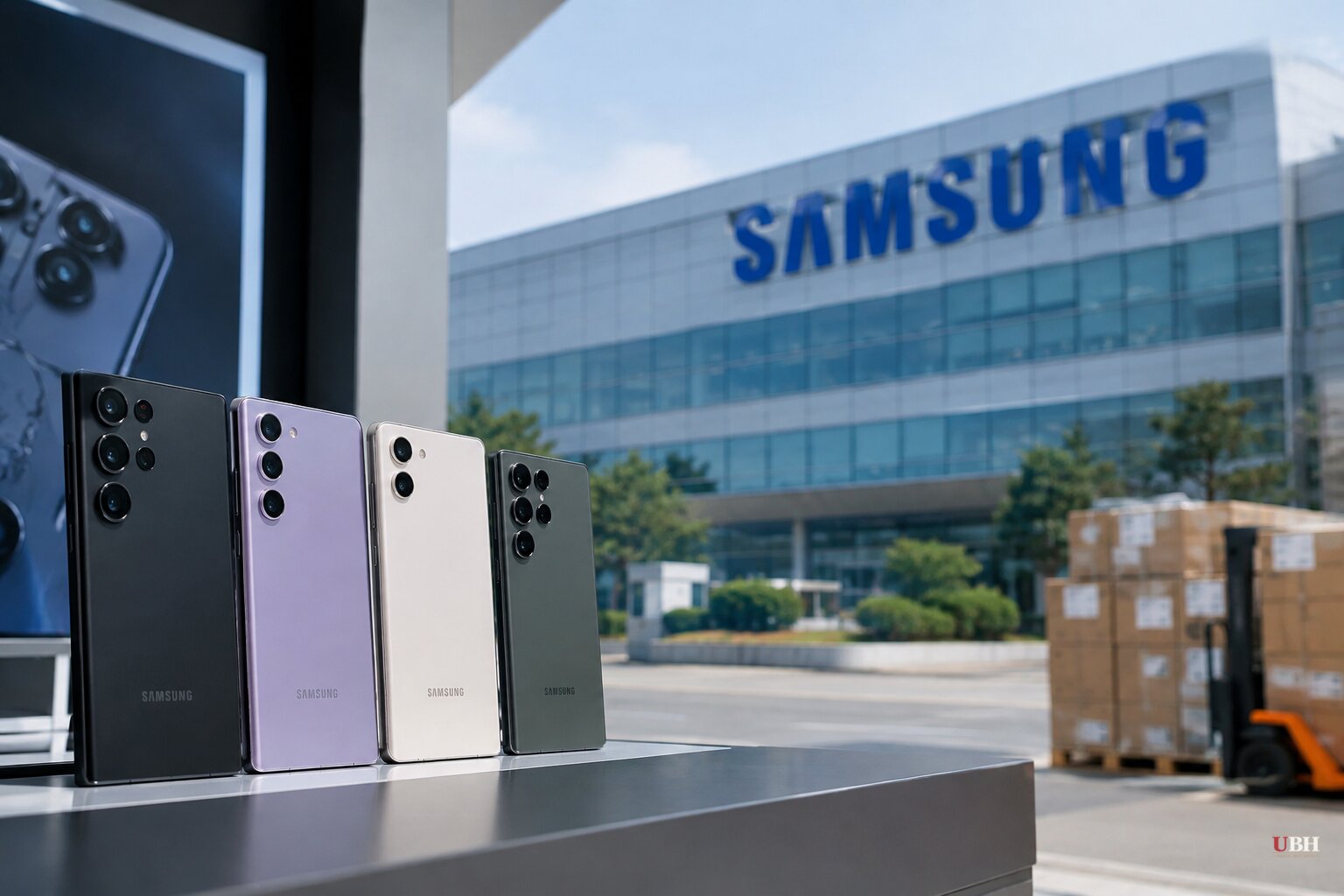
Samsung Electronics' Mobile eXperience (MX) division has reportedly asked suppliers to cut fourth-quarter smartphone supply by 20% to 30%. The cut would be far deeper than the usual year-end slowdown.
The claim comes from Korean outlet Money Today, which cites unnamed industry sources. Samsung has not publicly confirmed it, so the scale and timing of any cut are unverified.
The numbers behind the reported cut
Samsung was on track to build about 270 million phones in 2026. If the Q4 reduction holds, the total would land just above 200 million, per the report.
For scale, TrendForce estimated Samsung built around 240 million phones in 2025, roughly level with Apple.
Research firm IDC had forecast a seasonal dip, with Samsung output sliding from 59 million units in Q3 to 52 million in Q4. That is about 12%. A 20% to 30% reduction would be roughly double or more.
Some Q4 softness is normal. Buyers hold off for the next Galaxy S flagship, which typically arrives in January or February. This year's drop is described as well beyond that pattern.
Memory is the squeeze
The cost driver is mobile memory. TrendForce data shows 12GB of LPDDR5X smartphone DRAM sold for $145 to $146 in the second quarter. That is up 175% from a year earlier. TrendForce expects another increase of roughly 20% in Q3, which would take the price as high as $180.
TrendForce attributes the surge to AI demand. Memory makers are chasing the higher margins on chips for AI and server use, which tightens supply for phones.
Samsung's own figures, cited by the fan outlet sammyfans, show mobile memory purchase prices up 211% in the first half of 2026 versus last year's average. Smartphone average selling prices rose only about 7% over the same period.
That gap is the problem. Raising prices fast enough to cover the cost risks killing demand. Eating the cost means thinner or negative margins on every phone sold.
One industry source told Money Today that Samsung phones currently "yield no profit at all when sold." That is an anonymous claim, and Samsung has not said it.
Strong sales, weak profits
Demand does not appear to be the issue. The Galaxy Z Fold 8 and the wider Z8 lineup are selling well, according to sammyfans. Analysts expect MX and network revenue of about 35 trillion won in Q3, up from 33.2 trillion won in Q2.
If each phone sells at a loss or breakeven, a bigger revenue line does not fix the profit line. Fewer phones may protect overall profitability, the sources say.
Samsung also sits on both sides of the squeeze. Its memory business is booming on the same AI demand that is raising its phone division's costs.
Q3 operating profit for the company overall is expected to reach about 107 trillion won, roughly $80 billion. That is an estimate. The BigGo Finance figure of a 782.5% year-over-year jump is also a forecast.
What the mobile division may have lost
Estimates for the MX division's Q3 result vary widely. One set of brokerage projections points to an operating loss of 19 trillion won. Another estimate cited by sammyfans puts the combined MX and network loss at 1 trillion to 3 trillion won.
Both are projections, not reported results. The gap between them is large.
The story contains a clear contradiction. Samsung is reportedly building fewer products precisely because it is selling them at little or no profit, even as its chip arm prints money.
What it could mean for buyers
The likely effects, per the reports, are fewer low-margin models, higher prices, and more emphasis on premium Galaxy devices. Samsung has not announced any of that.
Samsung is scheduled to release preliminary Q3 results today, Oct. 8. The MX division's actual profit or loss is the number to watch, along with whether the company says anything about its Q4 production plans. If it stays silent on the supplier cut, the 20% to 30% figure remains a single-source claim.
Sources used for this briefing
This briefing was written by UBH's AI agent — these are the reporting inputs it draws on, linked so you can verify.


