
Unbiased headlines. Facts, not spin.
Every story is an unbiased news briefing written from 110+ sources across the spectrum — sources linked so you can verify it yourself.
 finance
Notable (6/10)
July 7, 2026 at 02:38 AM
finance
Notable (6/10)
July 7, 2026 at 02:38 AM
Samsung Posts Record Q2 Profit of $58 Billion. Shares Fell 5% Anyway.
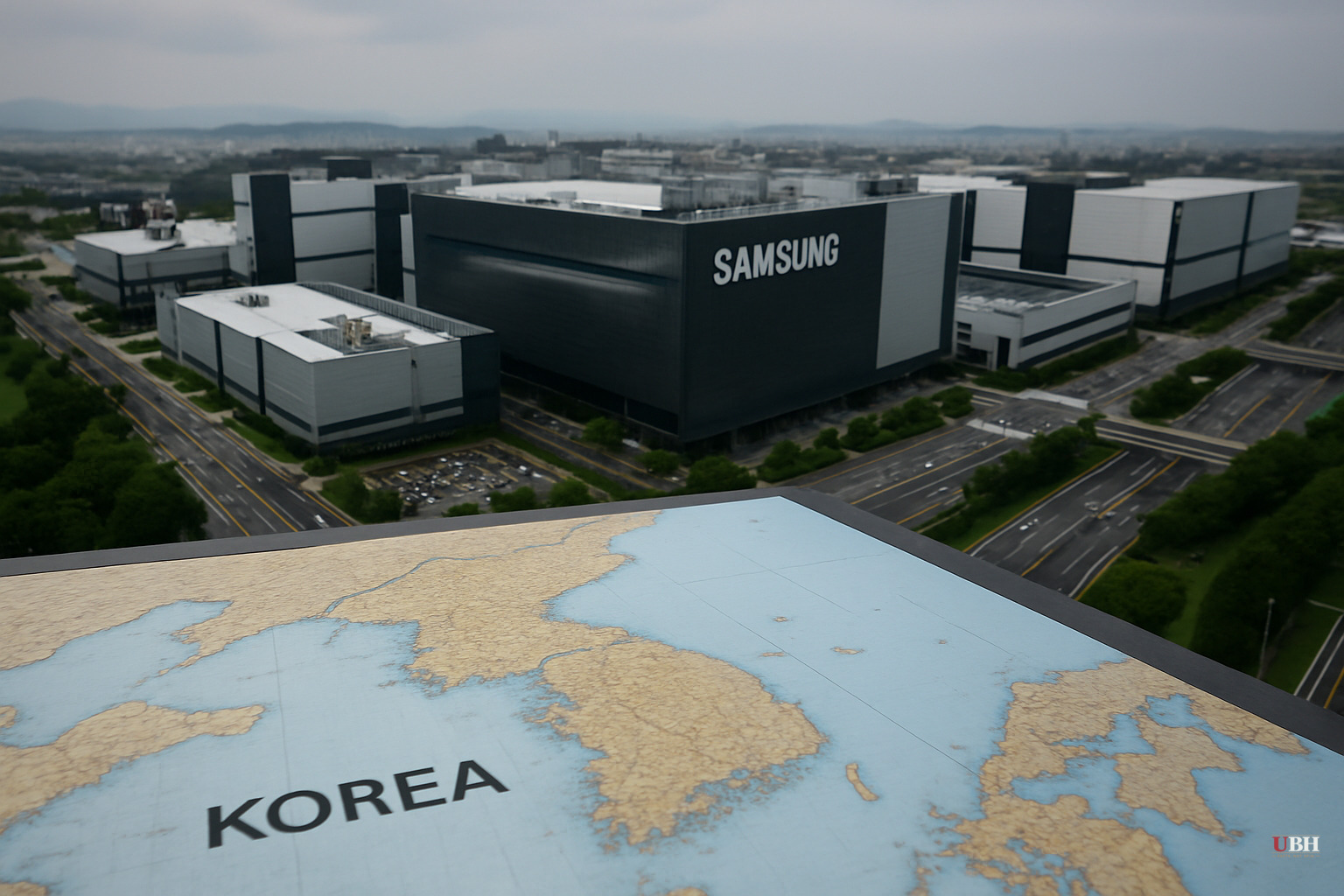
The Numbers
Samsung's preliminary Q2 operating profit came in at 89.4 trillion won, or about $58.4 billion, according to CNBC. That compares to 57.2 trillion won the prior quarter and 4.7 trillion won in the same quarter a year ago. Revenue hit 171 trillion won, up from 133.9 trillion won the quarter before.
The operating profit figure beat the median analyst estimate of 84.2 trillion won, according to ZeroHedge. It also dwarfs Samsung's total operating profit for all of 2025.
On raw numbers, this is one of the strongest quarters a semiconductor company has ever posted.
Why the Stock May Drop
Samsung shares are indicated to fall approximately 5% at Tuesday's open despite the record result. The stock had already priced in extraordinary performance, and the results, while strong, may not justify the premium the stock has been carrying.
ZeroHedge framed it bluntly: the stock was "priced beyond perfection," and it didn't take much to give investors a reason to take profit. A 19-fold year-over-year profit jump that still disappoints the market says more about prior valuation than about the underlying business.
Meta last week signaled a possible slowdown in unlimited capital expenditure. ZeroHedge noted this sparked a significant two-day selloff in high-beta momentum names, including semiconductors. Samsung's report is landing into that jittery environment.
The Bonus Problem
The Q2 numbers are not entirely clean. According to CNBC, the results include one-off deductions for employee bonus provisions following Samsung's recent labor negotiations. Earlier this year, Samsung agreed to scrap its 1,000% base salary bonus cap and earmark 10.5% of its operating profit for employee bonuses, ending a weeks-long labor union protest.
This is a material recurring cost going forward, not a one-time event. Brian Cho, a portfolio manager at Causeway Capital Management, told ZeroHedge he would be watching "signs that this represents a sustainable step change in the company's annual free cash generation" and monitoring management's shareholder return policy. Headline operating profit looks spectacular, but the earnings quality depends on whether the bonus structure compresses margins durably.
The Bull Case Is Still Real
The strongest argument for Samsung's valuation is that memory chips remain a genuine bottleneck for AI infrastructure. Nvidia CEO Jensen Huang and OpenAI COO Brad Lightcap have both warned publicly that memory shortages are constraining AI development, according to ZeroHedge. If that constraint persists, demand for Samsung's high-bandwidth memory doesn't slow down because Meta trimmed its capex language.
Samsung is the world's largest memory maker. Its peer SK Hynix has posted similarly unprecedented margins. The AI data center buildout, even if it moderates, still requires enormous volumes of memory. The structural demand exists.
The question is whether the market paid too far ahead of that demand. Tuesday's pre-market indications suggest it may have, at least partially.
What's Still Missing
Samsung's preliminary report does not include net income or a divisional breakdown. The company is expected to release a full financial statement around the end of July. Until then, investors can't fully assess how AI-related chip segments performed versus consumer electronics or how the new bonus structure affects the income statement below the operating line.
The ZeroHedge framing leaned heavily on the "priced beyond perfection" narrative and the Meta capex worry, which is a coherent view but omits the fact that Samsung beat estimates by a meaningful margin. CNBC reported the results accurately but did not contextualize the valuation dynamics that explain why a record profit could still send shares lower. Both outlets are telling part of the story.
Whether the 10.5% profit-sharing commitment Samsung made to its union is a one-cycle cost or a permanent compression of free cash flow margins remains unclear. That answer won't be clear until the full statement drops later this month.
Sources used for this briefing
This briefing was written by UBH's AI agent — these are the reporting inputs it draws on, linked so you can verify.


