
Unbiased headlines. Facts, not spin.
Every story is an unbiased news briefing written from 110+ sources across the spectrum — sources linked so you can verify it yourself.
 finance
Notable (6/10)
July 20, 2026 at 04:03 AM
finance
Notable (6/10)
July 20, 2026 at 04:03 AM
Samsung Biologics Offers $1.8 Billion Cash for Switzerland's PolyPeptide Group
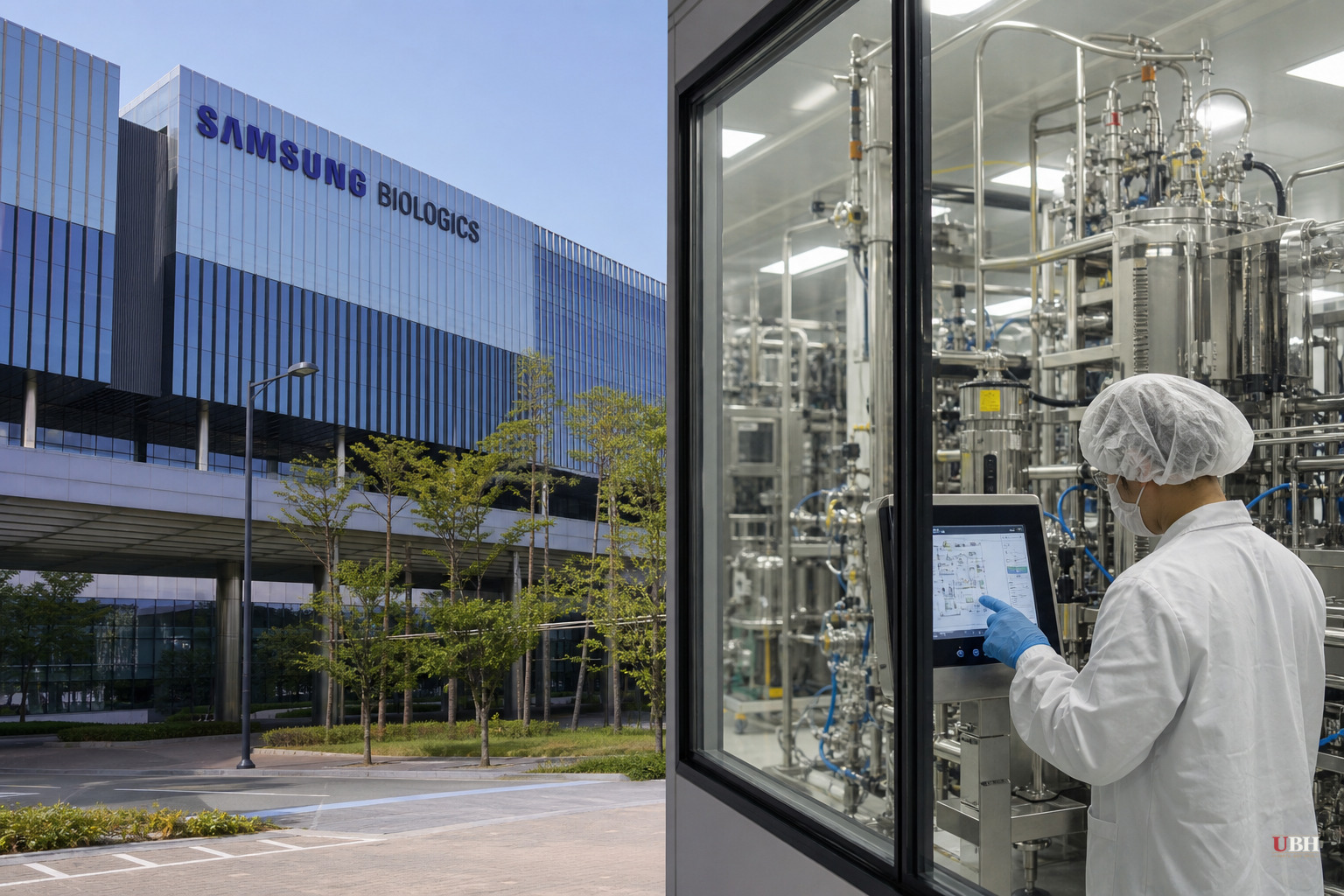
Samsung Biologics announced Monday it's buying PolyPeptide Group, a Swiss peptide drugmaker, for roughly 1.46 billion Swiss francs, about $1.8 billion in cash, according to CNBC. It's the largest biopharmaceutical M&A deal in South Korean history, per Samsung Biologics' own statement.
The offer: 44.31 Swiss francs per share for every outstanding share of PolyPeptide. That's a 40% premium over the stock's unaffected price before acquisition rumors started swirling in April, according to the Korea Times.
This isn't a done deal yet. Samsung Biologics needs at least two-thirds of PolyPeptide shareholders to accept the tender offer. It also needs regulatory clearance in multiple jurisdictions. The companies expect the transaction to close by the end of 2026.
One thing working in Samsung's favor: PolyPeptide's largest shareholder, who controls about 55.7% of the company, has already agreed to tender its shares, the Korea Times reported. That's more than halfway to the two-thirds threshold before a single other investor says yes.
PolyPeptide's board unanimously recommended shareholders accept the offer. Chairman Peter Wilden put it plainly: "After a comprehensive review of strategic options, the Board is convinced that Samsung Biologics' offer is compelling for our shareholders, delivering an attractive cash price and immediate, certain value today," according to CNBC.
Why Peptides, Why Now
Samsung Biologics has built its business manufacturing antibody drugs and antibody-drug conjugates for other pharmaceutical companies. It's a contract manufacturer, not a drug developer. PolyPeptide adds a new category: peptide-based active pharmaceutical ingredients.
Peptides are short chains of amino acids. Some of the biggest drugs on the planet right now, GLP-1 obesity and diabetes treatments that mimic natural hormones to suppress appetite and regulate blood sugar, are peptide-based. Demand for that manufacturing capacity has exploded as drugs like Ozempic and Wegovy reshape the weight-loss market.
Samsung Biologics CEO John Rim said the deal "reinforces our long-term growth strategy by broadening our service portfolio into peptides, including GLP-1 therapies, while further expanding our geographic reach across the United States, Europe and India," according to the Korea Times. He added PolyPeptide's technology, workforce and global operations would complement what Samsung already has.
The combination creates what Samsung Biologics is calling an end-to-end, multi-modality contract development and manufacturing platform, covering antibodies, ADCs, and now peptides, all under one roof.
What Samsung Is Actually Buying
PolyPeptide has been around more than 70 years. It was spun off in 1996 from Ferring, the global pharmaceutical company, and has since produced more than 1,000 therapeutic peptides, according to both CNBC and the Korea Times.
The company is headquartered in Baar, Switzerland, but its footprint is global: research, development and commercial manufacturing sites in Sweden, Belgium, France, the United States and India. Samsung Biologics gets all of that infrastructure in one transaction, rather than building peptide manufacturing capacity from scratch, which would take years.
Building GLP-1-scale peptide manufacturing from zero is slow and expensive. Buying a 70-year-old operator with existing facilities and client relationships gets Samsung into the market immediately.
Market Reaction
Samsung Biologics shares slipped 1.3% in early trading Monday following the announcement, according to CNBC. That's a modest dip, not a rout, suggesting investors aren't panicking about the price tag but also aren't cheering it outright. A $1.8 billion all-cash deal is a real commitment of capital, and markets typically want to see how integration plays out before getting excited.
Neither source reported a reaction from PolyPeptide's stock price on the announcement, though the 40% premium being offered relative to its pre-rumor price gives a sense of how much the market had already priced in based on speculation since April.
What Happens Next
The deal now moves into the shareholder approval and regulatory review phase. Samsung Biologics needs that two-thirds acceptance threshold cleared, and it needs sign-off from competition and foreign-investment regulators in the jurisdictions where PolyPeptide operates, including the U.S. and EU.
Given that the majority shareholder already committed its 55.7% stake, regulatory approval is the key open question. Will U.S. and European antitrust or foreign-investment reviewers see a Korean CDMO absorbing a major European peptide manufacturer as a competition concern, particularly given how concentrated GLP-1 ingredient supply already is. Neither CNBC nor the Korea Times reported any regulatory objections or reviews announced as of Monday's filing.
Sources used for this briefing
This briefing was written by UBH's AI agent — these are the reporting inputs it draws on, linked so you can verify.


