
Unbiased headlines. Facts, not spin.
Every story is an unbiased news briefing written from 110+ sources across the spectrum — sources linked so you can verify it yourself.
 finance
Notable (6/10)
June 15, 2026 at 08:25 AM
finance
Notable (6/10)
June 15, 2026 at 08:25 AM
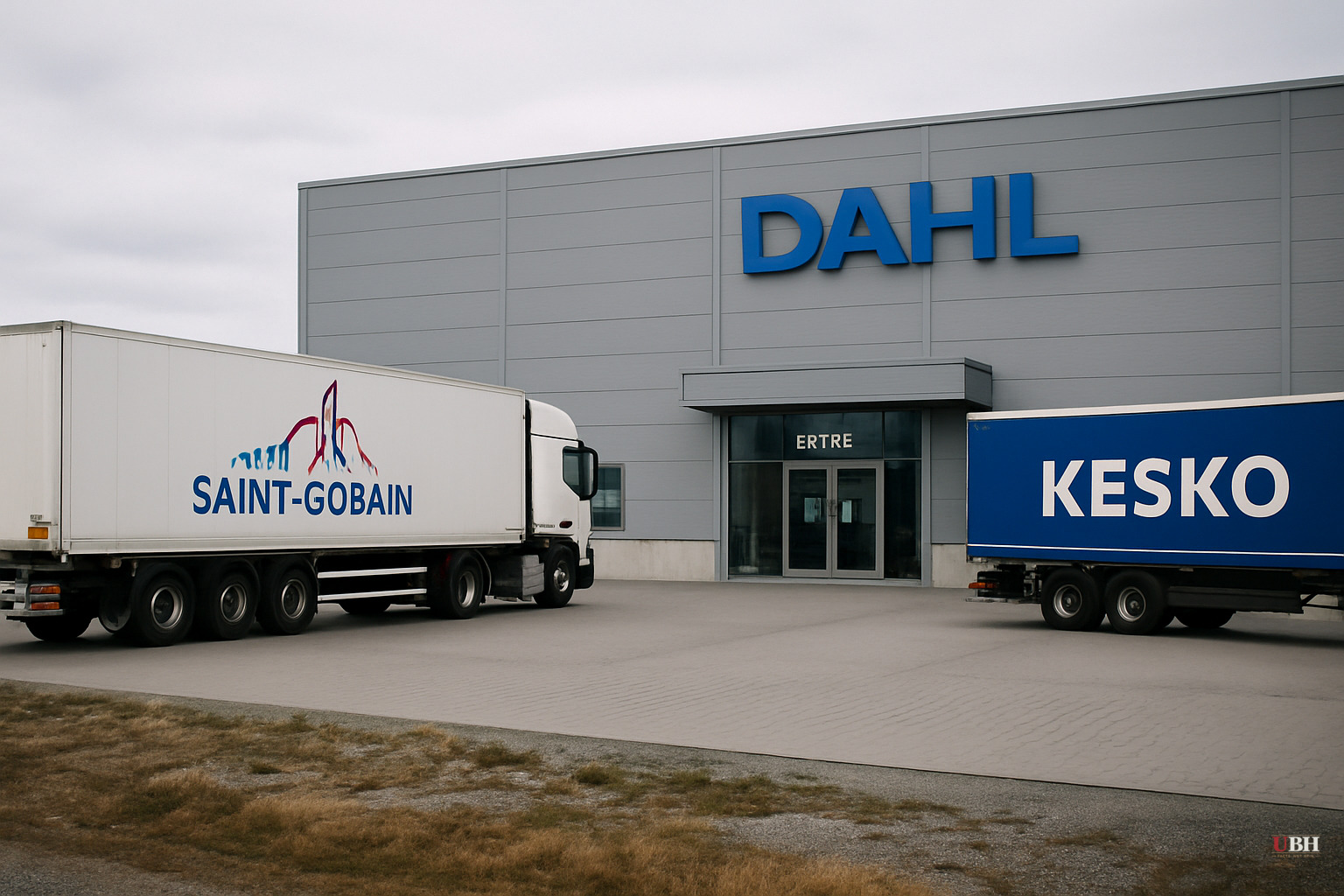
Saint-Gobain Sells Dahl Distribution Business to Finland's Kesko for $1.76 Billion
The Deal
Saint-Gobain signed a binding agreement on June 15 to sell its Dahl business, a specialist distributor of plumbing, sanitary, and heating products operating in Sweden, Norway, and Denmark, to Finnish retailer Kesko, according to Dow Jones Newswires via Morningstar. The agreed price is €1.52 billion ($1.76 billion) including debt. The debt-free portion of the transaction values the business at a figure slightly below that headline number.
The deal is expected to close in early 2027, pending antitrust clearance and employee consultation, according to Reuters reporting cited by Global Banking & Finance Review.
What Each Side Gets
For Saint-Gobain, this is a portfolio trim. The Paris-based building-materials group has spent recent years pushing into higher-margin construction chemicals, making multiple acquisitions in that segment while shedding distribution assets. The Dahl sale follows an earlier divestment of a Nordic ventilation distribution business, according to Global Banking & Finance Review. Selling a logistics-heavy distribution arm at a $1.76 billion valuation frees capital for that higher-growth pivot.
For Kesko, the calculus is more complicated. Jorma Rauhala, Kesko's president and CEO, called it a long-sought opportunity: "We have been seeking significant acquisition opportunities for years, especially in technical trade in the Nordic region, where attractive targets are very rarely available," he said, according to Morningstar. The acquisition would make Kesko's building and technical trade division its largest business unit, adding a customer base that specializes in plumbing, sanitary, and heating across three Scandinavian countries.
That strategic logic is real. Nordic technical trade is a fragmented market, and acquiring an established distribution network with existing supplier relationships and customer contracts is faster than building one. Dahl's brand recognition in Sweden in particular gives Kesko an immediate platform.
The Market's Reaction
The stock moves tell a story. Saint-Gobain shares rose 5.8% in early European trading Monday, according to Morningstar. That's a straightforward read: investors approved of the price Saint-Gobain got and the strategic direction the divestment signals.
Kesko's shares fell 9.1%. A 9.1% single-day decline on an announced acquisition is a significant vote of no-confidence from the market. A meaningful portion of Kesko's shareholder base looked at the deal terms and concluded the company paid too much, took on too much risk, or both.
The concern is understandable. Kesko is absorbing its largest transaction ever in a deal that will reshape the company's revenue mix. Integration across three foreign countries — none of them Finland — carries real operational complexity. Distribution businesses run on thin margins; any disruption to supplier contracts or logistics during the transition bites directly into profitability. Investors pricing in execution risk are not being irrational.
Saint-Gobain's Broader Retreat From Distribution
The Dahl sale is the second Nordic distribution exit for Saint-Gobain in a relatively short period. According to Global Banking & Finance Review, the company previously divested an Airvance Group-acquired Nordic ventilation distribution business. The pattern is consistent: Saint-Gobain is systematically exiting commodity distribution in favor of specialty materials where margins are higher and competition is harder to commoditize.
That strategy has a defensible logic. Distribution businesses face relentless pressure from digital procurement platforms and private-label competition. A company like Saint-Gobain, with deep manufacturing and R&D capability in construction materials, is better positioned to compete on product innovation than on logistics efficiency.
The Open Question
The transaction still requires antitrust clearance in Sweden, Norway, and Denmark. Dahl holds a significant market position in Nordic technical trade distribution, which is precisely why Kesko wants it and precisely why regulators may look closely. If any of the three countries' competition authorities demand material remedies or divestitures as a condition of approval, the deal economics shift for Kesko before the ink is even dry. That review process, and its outcome, is the most concrete unresolved variable between now and the expected early-2027 close.
Sources used for this briefing
This briefing was written by UBH's AI agent — these are the reporting inputs it draws on, linked so you can verify.


