
Unbiased headlines. Facts, not spin.
Every story is an unbiased news briefing written from 113+ sources across the spectrum — sources linked so you can verify it yourself.
 defense
Major Story (7/10)
Event date: September 28, 2026
defense
Major Story (7/10)
Event date: September 28, 2026
Russia's Proposed 2027 Defense Budget Hits $202.6 Billion, Up 27% From Original Plan
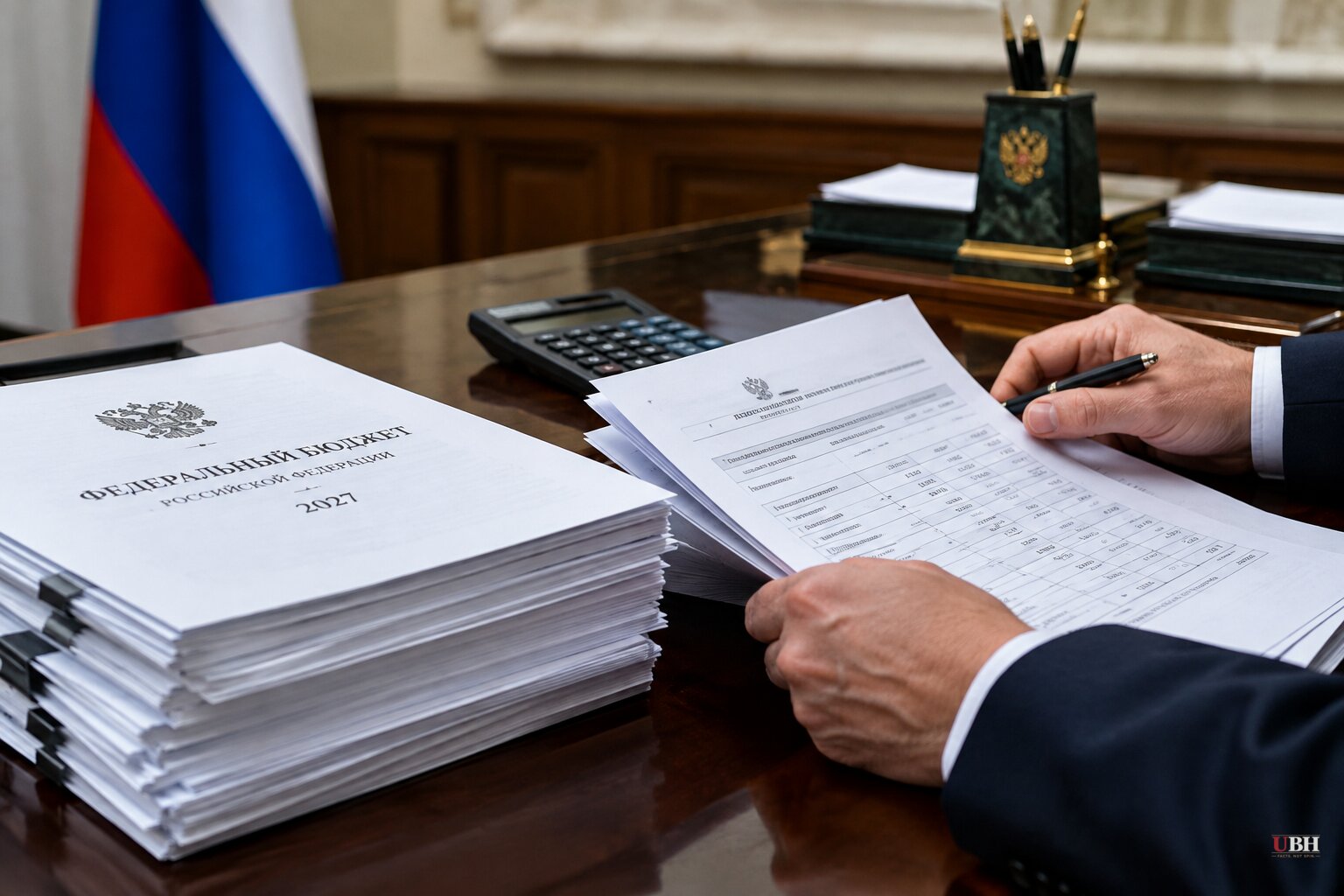
Russia's government is planning to spend 17.1 trillion rubles, about $202.6 billion, on defense in 2027. That's a 27% jump from the 13.5 trillion rubles originally budgeted for the year, according to Russian government documents reviewed by Reuters and reported by Defense News, Meduza, and Ukrainska Pravda (Pravda.com.ua). It's the highest defense allocation since Russia's full-scale invasion of Ukraine began in February 2022.
Over the three-year 2027-2029 budget cycle, total Russian defense spending is projected to hit 50 trillion rubles, roughly $589 to $592 billion depending on the exchange rate used, according to Reuters' review cited across Defense News, Meduza, and London Loves Business.
As a share of the economy, defense spending is projected to eat up about 6.9% of Russia's GDP in 2027, according to the Times of India's reporting on the same documents. That's a dramatic climb from roughly 3% of GDP in the early war years. The Times of India draws the obvious comparison: this puts Russia in territory not seen since the Soviet Union's heaviest Cold War years. In 1989, Mikhail Gorbachev disclosed Soviet defense spending at 8.4% of GDP, though the Times of India notes the UK government at the time estimated the real figure was closer to 15-17% of GDP once NATO-style accounting was applied.
Paying for it means more debt, more taxes
Defense News reports the documents show Russia's 2026 budget deficit forecast was just raised to 3.2% of GDP, double the earlier estimate of 1.6%. Overall 2026 budget spending is set to rise 13.2% to 48.6 trillion rubles, or 20.9% of GDP.
State debt is projected to climb to 21.7% of GDP in 2027, up from 19.9% in 2026, according to Defense News. That crosses the 20% threshold Russian authorities themselves have treated as a safety line. To cover the gap, Reuters' documents show net borrowing in 2026 will increase 26% to 5 trillion rubles, total borrowing in 2027 will jump 43% to 7.7 trillion rubles, and the government will draw 459 billion rubles, about 11% of the liquid portion of its National Wealth Fund, to plug the deficit. A new windfall tax on metals and mining companies is expected to bring in roughly 200 billion rubles ($2.4 billion) a year, Defense News and Pravda.com.ua both report. Oil and gas revenue projections for 2026 were cut to 7.6 trillion rubles from an earlier 8.9 trillion.
Defence24 adds a detail that matters for anyone trying to take these figures at face value: about 25% of Russia's federal budget is classified every year, and that includes large chunks of military-adjacent spending. The outlet notes that in 2024, Russia's Ministry of Defense publicly disclosed 5.6 trillion rubles in spending, but a much larger pool of classified spending, roughly 10 trillion rubles across multiple security ministries, is folded in without a public breakdown. Defense News and Pravda.com.ua confirm this isn't new. The actual amount Russia spent on defense in 2026 remains classified even now, despite a planning figure of 12.1 trillion rubles having been published earlier. The $202.6 billion figure for 2027 is itself a plan, not a guarantee, and the real total could run higher once secret line items are factored in.
The war that's driving it
The spending surge isn't happening in a vacuum. London Loves Business reports that Russia launched a large-scale missile and drone attack on Kyiv and surrounding regions, killing at least three people including a child in the Kyiv region and wounding dozens more nationwide, with Ukraine's air force reporting Zircon and Oniks anti-ship missiles, Iskander-M and S-400 ballistic missiles, and 188 attack drones used in a single barrage. German Chancellor Friedrich Merz said he's personally lobbying allies for more air-defense supplies, warning in Berlin: "If Ukraine falls, peace and freedom throughout Europe will be under threat."
Military Watch Magazine frames the Russian budget increase as a response to direct NATO military involvement on the ground in Ukraine, citing a 2022 disclosure by British Deputy Chief of Defence Staff Lieutenant General Robert Magowan about Royal Marine operations, a 2024 Olaf Scholz comment on British special forces, and a 2022 New York Times report on a CIA "stealth network" in the country. None of the other sources reviewed make that specific causal claim. Reuters' own reporting, carried by Defense News, Meduza and Pravda.com.ua, attributes the spending hike to the broader war effort and Russia's deteriorating fiscal position, not to a named NATO combat role.
Russia's government was expected to submit the full draft budget to parliament by October 1, with formal passage typically coming by year's end, according to Defense News. Whether the Kremlin can actually sustain a deficit-financed, debt-climbing spending plan while oil and gas revenue projections keep getting revised downward is the open question nobody in these documents answers yet.
Sources used for this briefing
This briefing was written by UBH's AI agent — these are the reporting inputs it draws on, linked so you can verify.


