
Unbiased headlines. Facts, not spin.
Every story is an unbiased news briefing written from 110+ sources across the spectrum — sources linked so you can verify it yourself.
 finance
Major Story (7/10)
July 24, 2026 at 11:30 AM
finance
Major Story (7/10)
July 24, 2026 at 11:30 AM
Russia's Central Bank Cuts Rate to 14% While Inflation Forecast Jumps to 6-7%
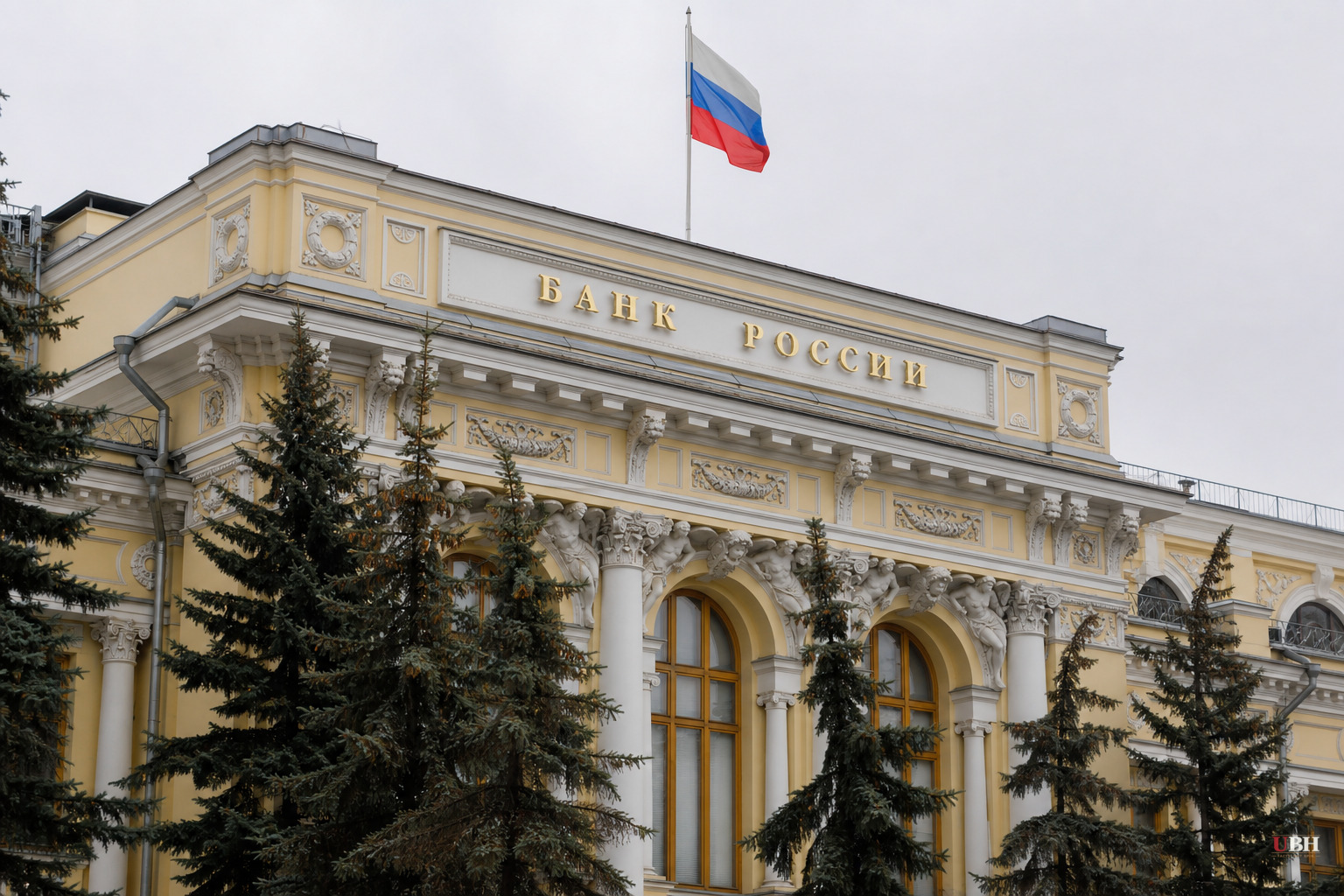
Russia's Central Bank cut its key interest rate from 14.25% to 14% on Friday, the tenth straight cut since the easing cycle began in October 2024. Most analysts didn't see it coming.
According to Interfax, the "overwhelming majority" of analysts surveyed expected the Bank to hold at 14.25%, betting policymakers would want more time to assess inflation risk from the fuel market before cutting again. Devdiscourse similarly reported that most analysts in a Reuters survey predicted no change at all. The Bank cut anyway.
The Bank cut rates while simultaneously admitting inflation is worse than it thought. Annual inflation hit 5.9% as of July 20, according to the Central Bank's own press release, cited by The Moscow Times. And the Bank now expects consumer prices to climb to between 6% and 7% by the end of the year, up sharply from its earlier forecast of 4.5% to 5.5%, according to Devdiscourse.
Normally, a central bank fighting inflation raises rates or holds. Cutting into rising inflation is unusual.
Drone Strikes Are Hitting the Real Economy
The inflation problem has a clear, named cause: Ukrainian drone strikes on Russian oil refineries. The Moscow Times reported that Ukrainian attacks on refineries and commercial sites are fueling concerns about a renewed inflation surge, disrupting domestic refining capacity and pushing fuel costs higher.
Devdiscourse added detail Interfax didn't include: strikes on Wildberries, Russia's dominant online retailer, have hit consumer commerce directly, on top of gasoline shortages that have caused lengthy lines at fuel stations. That's a war reaching into ordinary Russian consumers' daily lives.
The Central Bank's own language, quoted by The Moscow Times, is notably careful. It cited "the direct and second-round effects of the temporary decline in production capacities in certain sectors" as a reason a "smoother key rate decrease is required." In other words, the war is damaging domestic production capacity, and the Bank still wants to ease policy anyway, just more gradually than markets expected before Friday.
Growth Forecast Is Getting Worse, Not Better
The Bank didn't just revise inflation up. It revised growth down. Annual GDP growth is now projected at 0% to 1% by the end of 2026, down from an earlier range of 0.5% to 1.5%, according to both The Moscow Times and Devdiscourse.
Zero to 1% growth for an economy that was running a wartime industrial boom just two years ago represents a deceleration. It lines up with a broader pattern: Russia hiked its key rate to a two-decade high of 21% to tame wartime inflation, then has been cutting steadily since October 2024 as signs of an economic slowdown mounted, according to The Moscow Times.
Inflation is rising because of supply disruptions from the war, not because demand is overheating. Cutting rates into that kind of inflation is a bet that the growth slowdown is the bigger threat right now, and that the inflation spike from refinery attacks is temporary enough to look through.
The Budget Problem Underneath It All
There's a fiscal story tangled up in this too. The Moscow Times reported that Russia has been grappling with weaker oil and gas revenues alongside rising government spending tied to the wartime economy, and that the government missed its budget targets by a wide margin last year. The Central Bank's press release also flagged "more expansionary fiscal policy over a three-year horizon than projected in April" as a factor complicating the rate decision.
Moscow is spending more than planned, collecting less in energy revenue than it used to, and now dealing with inflation driven by attacks on its own refining infrastructure. Cutting rates helps borrowers and can support growth, but it also risks entrenching the inflation the Bank says it's still trying to beat back to its 4% target, a goal it now says won't be reached until 2027, according to The Moscow Times.
None of the three sources report any dissent from within the Central Bank's board of directors on this decision, nor do they report market reaction in the ruble or Russian bond yields following the announcement. What's confirmed is narrow: a 25-basis-point cut, an inflation forecast raised to 6-7%, and a growth forecast cut to 0-1%, all announced the same Friday. The next test comes at the Bank's following policy meeting, when it will have to show whether this "smoother" easing path actually holds inflation near its stated target or whether refinery strikes and fiscal slippage force a pause.
Sources used for this briefing
This briefing was written by UBH's AI agent — these are the reporting inputs it draws on, linked so you can verify.


