
Unbiased headlines. Facts, not spin.
Unbiased Headlines is an independently owned news organization. We bring you the facts, not opinions, written fresh from 110+ named sources. Sources linked so you can verify it yourself.
 defense
Major Story (8/10)
defense
Major Story (8/10)
Russian Missile Hits Kyiv Power Plant With No Early Warning, Zelensky Says; Trump Says U.S. Still Sharing Intel
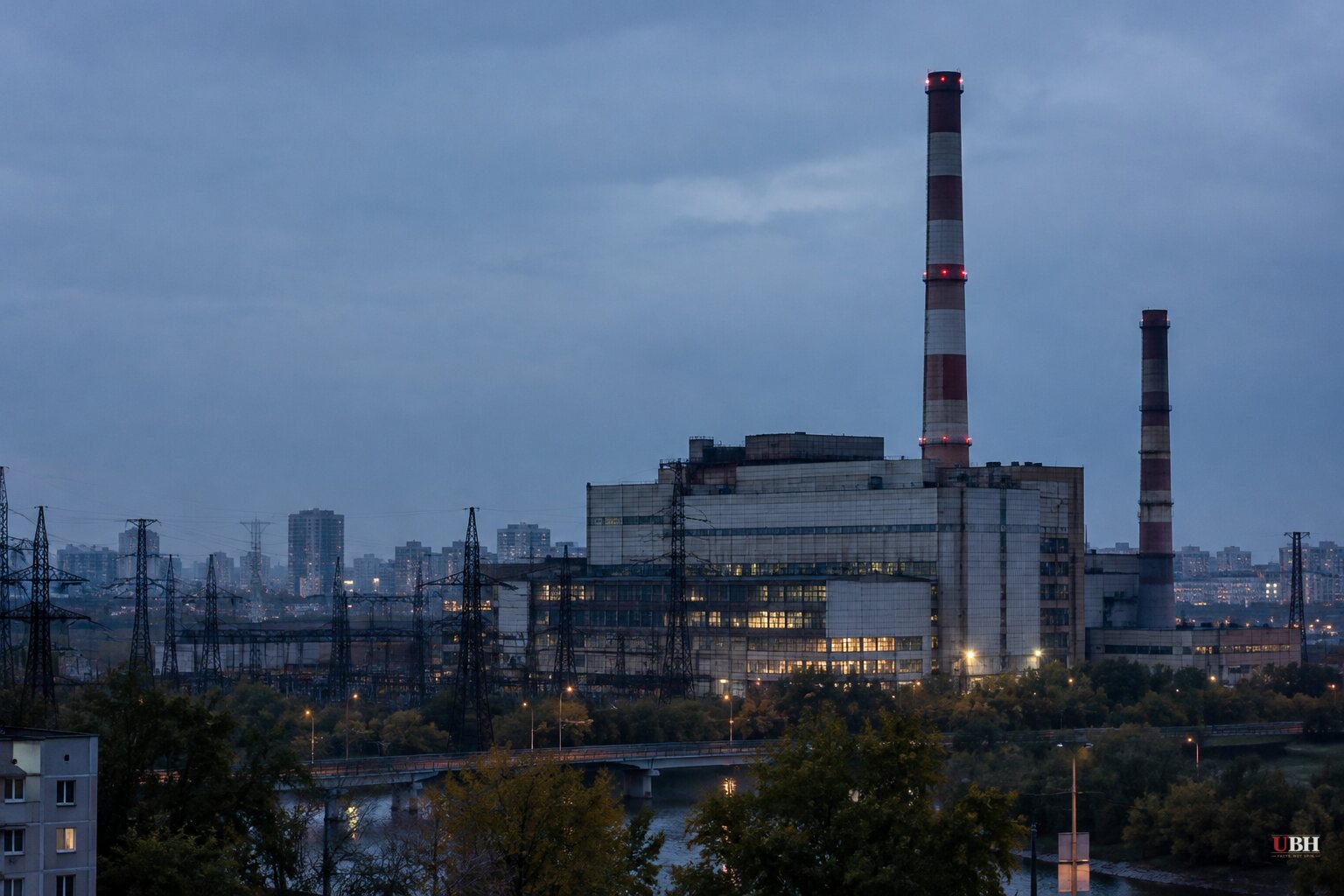
A Russian ballistic missile attack hit Kyiv on Tuesday evening, Oct. 13, striking the CHP-4 power plant and a nine-story apartment building in the Desnianskyi district. Kyiv Mayor Vitali Klitschko said at least two people were killed and about 20 wounded.
President Volodymyr Zelensky said Ukraine got no early warning from its partners. "Once again, no early warning from our partners," he wrote. Ukrainian systems picked up the missiles only as they neared the city, he said.
Kyiv Independent journalists on the ground reported more than a dozen further explosions before dawn local time, along with brief power outages. An energy official told the outlet, speaking anonymously, that "several" power plants were targeted. Klitschko said several energy facilities were hit. Officials have not detailed the damage.
Two nights without alerts
This was the second night in a row. Monday night, air raid sirens in Kyiv sounded only after explosions had already gone off. Zelensky said five ballistic missiles hit civilian infrastructure in that attack, and called it "particularly vile."
The presidential adviser Dmytro Lytvyn said allies had given no early warning two days running. Ukraine's Air Force said it received no alerts on either day.
The warnings matter for practical reasons. Iskander-class ballistic missiles reach their targets in a few minutes. U.S. systems can spot launches immediately, and American officials have in the past passed that along so Ukraine can warn the public and fire air defenses.
Ukraine's Patriot interceptors are also short. The U.S.-led war in Iran has drained the supply.
What Washington and Kyiv are saying
Trump told reporters at the White House that the U.S. has not stopped sharing intelligence. "We are helping them, and we are sharing intel," he said.
Foreign Minister Andriy Sybiha said Ukraine is still receiving U.S. military intelligence and attributed the missing warning to the type of weapon Russia used. A senior Ukrainian official, speaking anonymously, said the lapse was described to Kyiv as a "failure," the kind of problem weather conditions can cause, not a deliberate decision.
Zelensky's own account is less settled. In an interview with NPR on Tuesday, he said the Trump administration warned it could cut off intelligence sharing unless Ukraine stops its long-range drone strikes on Russian oil refineries. Reuters has also reported that U.S. officials made such threats.
On X, though, Zelensky did not tie the missing warnings to any U.S. threat, and he did not name which partners he meant. Neither the White House nor Kyiv has said the sharing was cut.
The energy ceasefire that wasn't
On Sunday, Trump announced on Truth Social that Russia and Ukraine had agreed to stop strikes on each other's power plants and refineries. Zelensky told NPR he learned of it from the post.
He said Ukraine has not targeted Russian refineries since the announcement. He also said Ukraine will not stop those strikes unless Russia stops hitting Ukrainian energy sites. Zelensky says Kyiv backed an energy ceasefire.
Russia kept hitting energy targets. It struck six Ukrainian energy sites on Monday, including a power plant in Kharkiv. Zelensky said Russia launched more than 100 weapons at Ukraine between Monday evening and Tuesday, and that a residential building in Kharkiv was destroyed, killing four people.
Asked whether Russia had violated the ceasefire, Trump said, "I'll let you know about that later." Kremlin spokesman Dmitry Peskov said contacts were continuing.
Zelensky said his intelligence indicates Russia is preparing more ballistic launches. "The facts show that the Russians do not consider themselves bound by what the President of the United States said," he wrote.
Diesel and the midterms
The ceasefire push follows a Friday decision by Trump to ease sanctions on Russian diesel exports. Zelensky called it "a weak decision by strong partners." A bipartisan group of senators has called on Trump to rescind the deal.
Trump has repeatedly blamed Ukrainian strikes on Russian refineries for rising U.S. fuel prices. Diesel averages $6.27 a gallon, more than 70% above a year ago, according to AAA. Midterm elections are three weeks away.
Zelensky rejects Trump's explanation and points to the blocked Strait of Hormuz. Most analysts say the Iran war has had a far larger effect on prices than Ukraine's refinery strikes.
Asked whether Russia could use diesel sales proceeds to buy more bombs, Trump said, "That's a diesel deal, not for us. That's being released into the world."
Trump said on Saturday it was "time for Ukraine to get a new president."
Open question
The next test will come with the next launch. Zelensky says Russia is preparing more ballistic strikes. Whether warnings from partners resume before they come, and whether Washington or Kyiv explains the two-night gap on the record, is unanswered.
Sources used for this briefing
8 links from 8 independent newsrooms (syndicated copies of the same report count once)
These are the sources it draws on, linked so you can verify.


