
Unbiased headlines. Facts, not spin.
Unbiased Headlines is an independently owned news organization. We bring you the facts, not opinions, written fresh from 110+ named sources. Sources linked so you can verify it yourself.
 energy
Notable (6/10)
Russia Extends Jet Fuel Export Ban Through March 31 as Ukrainian Strikes on Refineries Continue
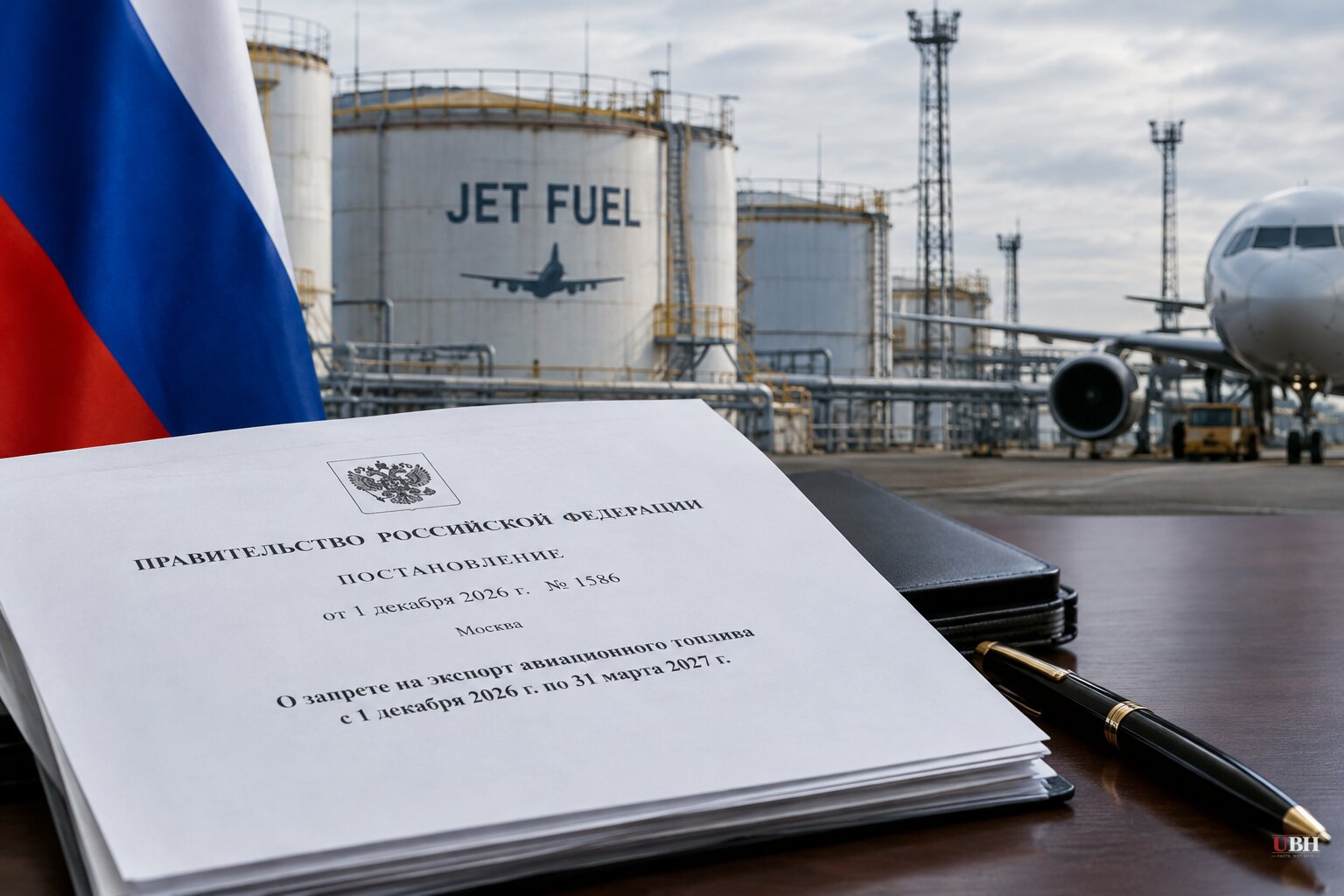
Since Russia first banned jet fuel exports on June 1, Moscow has kept renewing and widening its fuel export curbs. Today, Nov. 27, it added another four months.
The government signed Resolution No. 1586, which bars jet fuel exports from Dec. 1, 2026 through March 31, 2027. The ban covers fuel purchased through exchange trading, not just fuel sold by refiners. The existing ban was due to expire Nov. 30.
"The government continues to work to maintain a reliable and uninterrupted supply of fuel to the domestic market," the Russian government said in its statement. It added that the decision was made to maintain stability on the domestic fuel market.
There is one carve-out. Supplies of aviation kerosene under international intergovernmental agreements are exempt.
Refineries under fire
The extension lands in the middle of a sustained Ukrainian drone campaign against Russian refining. Bloomberg's estimates show at least 18 Russian refineries have been attacked since late October. The Moscow Times counts more than 110 drone attacks on Russian refineries since the start of 2026, with only a few plants in Eastern Siberia and the Far East outside drone range.
Rystad Energy says the strikes have pushed Russian oil processing to its lowest level in more than two decades. Ukrainian President Volodymyr Zelensky said on Nov. 15 that Ukraine's Defense Forces had halted 55% of Russia's oil refining capacity. That figure is Zelensky's claim; Moscow has not confirmed it.
Strikes in the first half of November shut down three major refineries that supply Moscow city and the surrounding oblast, according to Ukrainian press reports. Russian airports began limiting aircraft refueling on June 12, less than two weeks after the first jet fuel export ban.
Moscow admits the market is tight
Deputy Prime Minister Alexander Novak acknowledged the strain on Nov. 25. "The fuel market situation is tense, with many refineries undergoing repairs," he said. Some Russian regions have imposed sales limits at filling stations.
The jet fuel ban is one piece of a wider set of controls. Russia extended restrictions on diesel, marine fuel and gasoil exports by direct producers through Jan. 31, 2027, and the gasoline export ban also runs through that date. Novak said the government will consider extending the gasoline ban next month.
The government has also loosened one lever. After an agreement with the United States on Oct. 9, Moscow partially eased its diesel export ban, initially allowing 500,000 metric tons to go to international markets.
Russia has also been importing gasoline from India and Kazakhstan despite being the world's second-largest crude exporter, according to Korea's Financial News.
Small exporter, big domestic problem
Outside Russia, the direct market effect looks limited. Vortexa data cited by Bloomberg show Russia exported an average of 30,000 barrels per day of jet fuel in 2025, less than 2% of global supply. The ban mainly protects Russian airlines and airports rather than reshaping world jet fuel markets.
Kyiv has been open about what the refinery strikes are meant to do. The campaign aims to cut Moscow's revenue from energy sales and make the war more expensive for ordinary Russians. Moscow's official framing is different: it describes the export bans as routine market stabilization and does not link them in its statement to the drone attacks.
Financial News also reports that Ukraine stepped up refinery attacks after an energy truce between the two sides fell through late last month.
What comes next
The jet fuel ban now runs four months, into the late-winter heating and travel season. The next test is the gasoline decision Novak promised for December, ahead of the Jan. 31 expiry. Whether Moscow can ease any of these export curbs depends on how many refineries come back from repair before then and how many more get hit.
Sources used for this briefing
7 links from 7 independent newsrooms (syndicated copies of the same report count once)
These are the sources it draws on, linked so you can verify.


