
Unbiased headlines. Facts, not spin.
Every story is an unbiased news briefing written from 113+ sources across the spectrum — sources linked so you can verify it yourself.
 defense
Major Story (7/10)
September 22, 2026 at 06:53 PM
defense
Major Story (7/10)
September 22, 2026 at 06:53 PM
Rubio Says Ukraine Hit 'American-Linked' Oil Ships, Calls It Unintentional, Pushes Energy Ceasefire
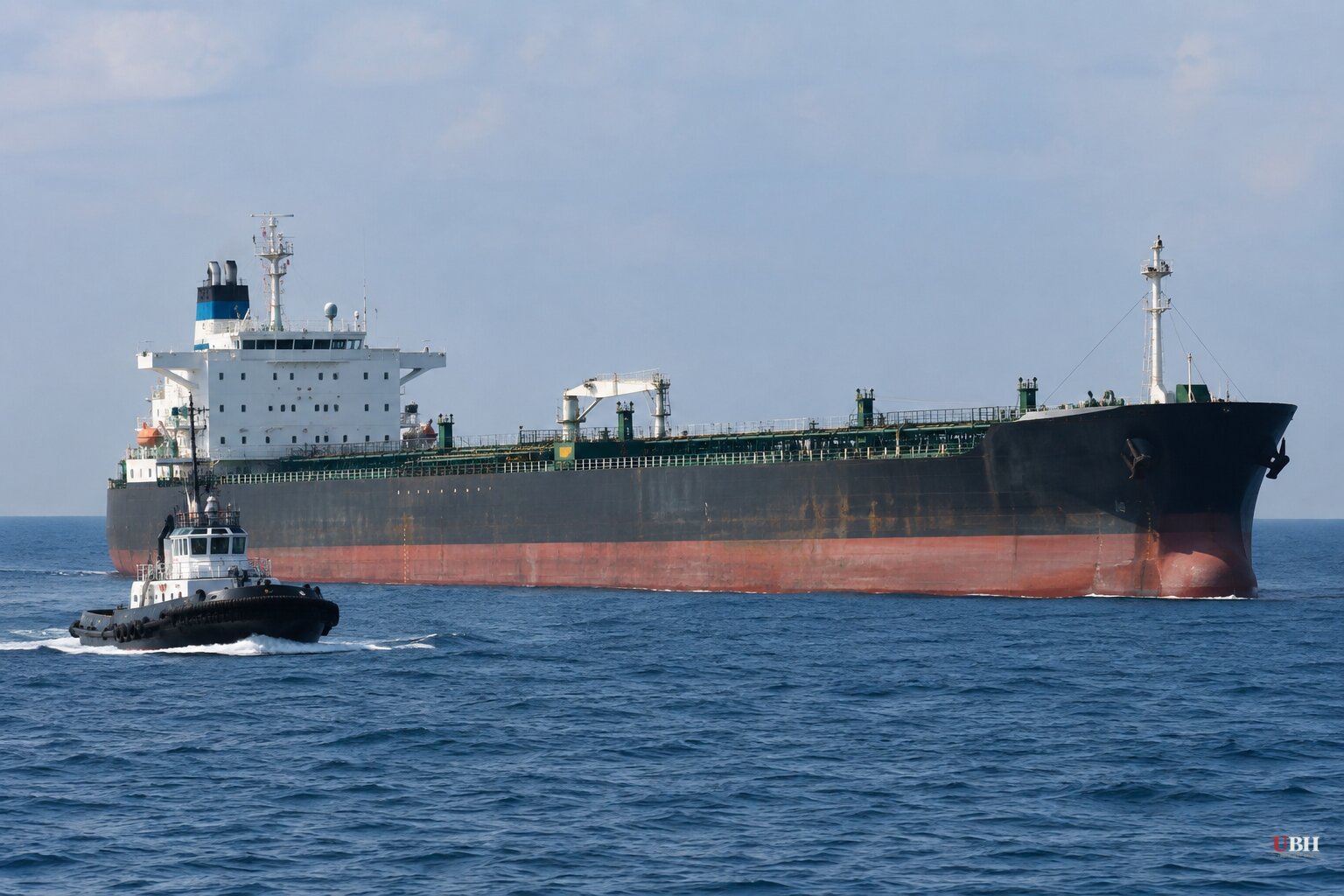
Secretary of State Marco Rubio told Fox News's "Fox & Friends" on Tuesday, September 22, that Ukraine has struck American-linked ships and oil supplies "on a number of occasions" over the past few months. He called the strikes "probably not deliberate" but said the pattern "needs to be addressed."
"We can't have that happen," Rubio said, according to multiple outlets including ABC News, Kyiv Post and the Epoch Times.
Rubio did not name a specific ship, cargo, or incident. Kyiv Post reports that no publicly available account has confirmed Ukraine struck a US-flagged vessel or a ship actually owned by an American company. The likely target, according to Kyiv Post's reporting, is shipping tied to Russia's Black Sea port of Novorossiysk, which handles exports for the Caspian Pipeline Consortium, a pipeline system carrying Kazakh crude in which Chevron and ExxonMobil hold stakes. That makes the ships commercially connected to US interests without being American property, a distinction Rubio's remarks did not clarify.
The accusation follows earlier reporting on US pressure over the same issue. The Wall Street Journal reported in July, as cited by the Denver Gazette, that the Trump administration privately warned Ukraine against striking non-Russian vessels in the Black Sea over concerns tied to Kazakh oil exports. The Financial Times reported in August, per Kyiv Post, that Vice President JD Vance separately asked Ukraine to halt strikes on tankers using Novorossiysk. A US official later told Bloomberg, as reported by Forbes-affiliated coverage, that Ukraine agreed after late-July talks to stop targeting non-Russian tankers as long as those ships weren't sanctioned and weren't carrying Russian cargo.
A bigger push: an energy ceasefire
Rubio used the same interview to endorse a broader energy infrastructure ceasefire between Russia and Ukraine. "We think that would be a great idea, an energy infrastructure ceasefire, in which Ukraine's infrastructure is not being targeted, Russian energy supplies are not being targeted as well," he said, adding that "it takes two sides to agree to that, and so that's been the challenge."
President Trump floated the same idea earlier this month, writing that "Ukraine has agreed not to hit Russian Energy targets. Russia has agreed to do likewise!" and blaming the global rise in diesel prices mostly on the Russia-Ukraine war rather than on Iran, according to the Epoch Times. Zelenskyy, for his part, said there is "diplomatic momentum" and described "ideas for de-escalation steps" covering energy security, food security and protection of human life, per the same reporting.
The remarks came hours ahead of a scheduled meeting Tuesday between Trump and Zelenskyy on the sidelines of the UN General Assembly in New York. Russia's foreign ministry also said Foreign Minister Sergei Lavrov and Rubio are set to meet Wednesday, September 23, in New York, though Radio Free Europe/Radio Liberty reported the US side has neither confirmed nor denied that meeting.
Ukraine's side of the ledger
Ukraine has significantly escalated strikes on Russian oil infrastructure and shipping this year. Kyiv Post reports that the commander of Ukraine's drone forces said Tuesday his units have struck 300 "shadow fleet" tankers carrying Russian oil since July, part of a campaign to cut into Moscow's energy revenue and military logistics. That campaign has grown large enough that London's marine insurance market recently expanded its high-risk zone to cover the entire Black Sea, according to Kyiv Post.
Targeting tankers moving Russian oil, including vessels in a sanctions-evading "shadow fleet," is a legitimate wartime strategy to choke off the revenue funding Russia's invasion. Any US pressure to narrow that campaign over ambiguous "American-linked" concerns could tie Ukraine's hands against its actual adversary. Rubio's own framing that the strikes were "probably not deliberate" cuts against any suggestion Ukraine is knowingly targeting US interests.
The Denver Gazette frames Rubio's comment as a third friction point layered onto an already strained relationship, alongside Ukraine's demand for more Patriot interceptors, which Trump has repeatedly declined, and Ukraine's continued long-range drone campaign against Russian refineries. Despite Trump's earlier claim that Zelenskyy agreed to halt strikes on Russian refineries, Ukraine carried out what the Denver Gazette called the largest drone attack in its history over the weekend of September 20-21, targeting a refinery near Moscow.
Diesel prices remain a driving force behind the diplomacy. The average US diesel price has hit $6.51 per gallon, according to GasBuddy data cited in Forbes-affiliated reporting, with Russia extending its own diesel export ban past the end of September, per Bloomberg. Whether Tuesday's Trump-Zelenskyy meeting produces an actual energy ceasefire, and whether Rubio ever identifies the specific ships he says were struck, remain open questions heading into Wednesday's reported Rubio-Lavrov meeting.
Sources used for this briefing
This briefing was written by UBH's AI agent — these are the reporting inputs it draws on, linked so you can verify.


