
Unbiased headlines. Facts, not spin.
Every story is an unbiased news briefing written from 110+ sources across the spectrum — sources linked so you can verify it yourself.
 politics
Notable (6/10)
July 21, 2026 at 01:53 AM
politics
Notable (6/10)
July 21, 2026 at 01:53 AM
RNC Sues New Jersey Over Overseas Voting Law, Eighth Lawsuit In Nationwide Residency Push
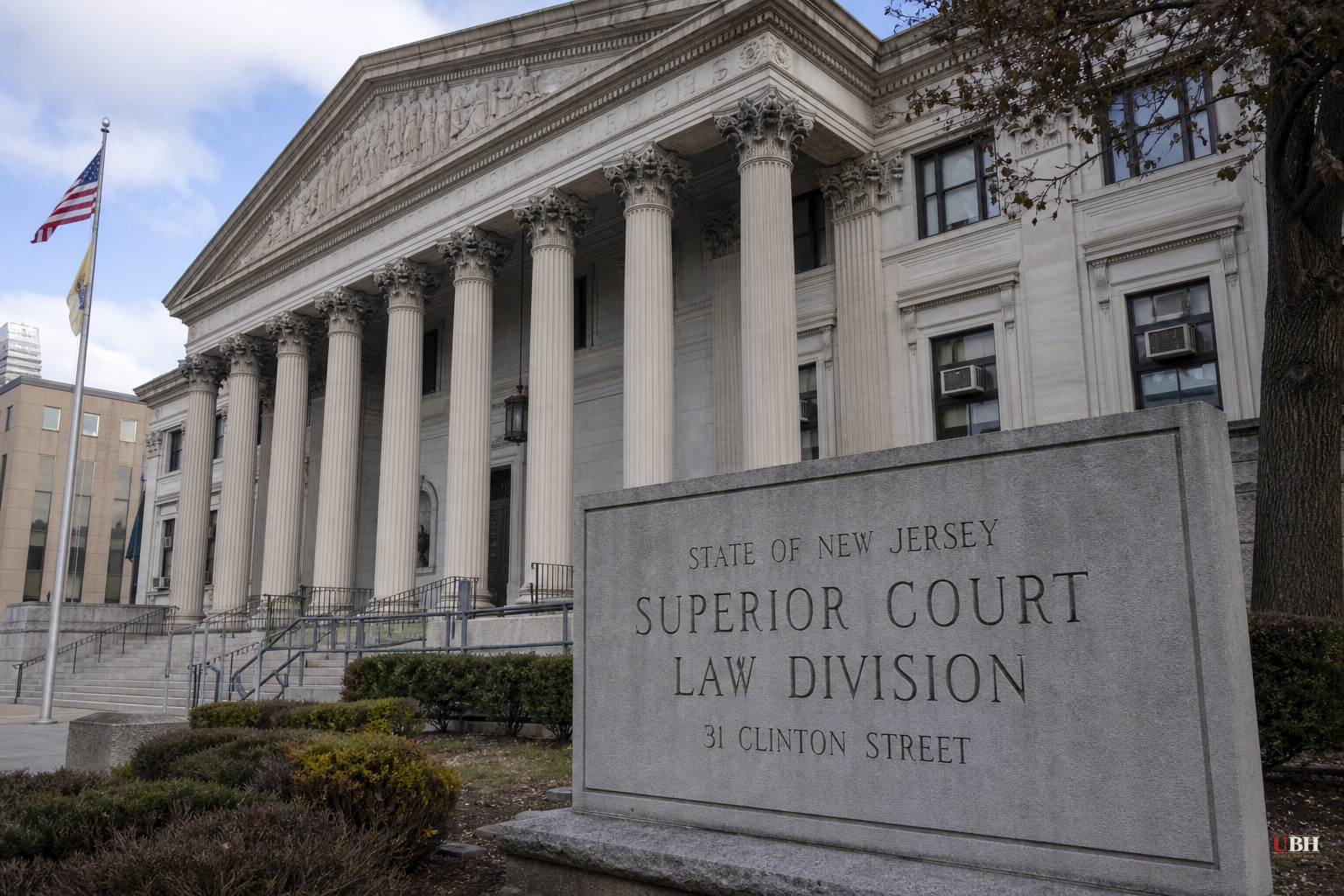
The Republican National Committee sued New Jersey on July 9, its eighth lawsuit in a nationwide campaign targeting state laws that let certain U.S. citizens vote in states they've never actually lived in.
The RNC, joined by the New Jersey Republican Party and GOP congressional candidate Michael McGuire, filed the suit against the New Jersey Secretary of State, according to the NJGOP. The lawsuit challenges two provisions of state law allowing Americans born abroad to vote in New Jersey elections if a parent, legal guardian, spouse, civil union partner or domestic partner once lived there.
"Democrats are allowing certain people who have never lived in New Jersey to vote in the state's elections," RNC Chairman Joe Gruters said in a statement provided by the NJGOP. "The RNC is taking them to court to stop this unconstitutional scheme, protect lawful voters, and secure New Jersey elections."
The Legal Theory
The RNC's complaint argues New Jersey's law violates the state constitution's residency requirement for voters, according to Democracy Docket. The lawsuit asks the court to block the state from registering these voters, remove those already on the rolls, segregate any ballots they've cast, and bar those ballots from being counted. It also asks for an order forcing state officials to update public guidance and notify the federal government that these voters are ineligible.
New Jersey is the eighth state hit with this kind of suit. Democracy Docket reports the RNC has already filed similar cases in Michigan, North Carolina, Arizona, Virginia, Nebraska, Colorado and Nevada. ZeroHedge and Off The Press both confirm the RNC's most recent wave of filings covered Arizona, Nevada, Colorado, New Jersey, Virginia and Nebraska, on top of the earlier North Carolina and Michigan cases.
The RNC scored its first win in North Carolina in June, when Wake County Superior Court struck down a state law permitting people born overseas who never lived in the state to vote there, according to ZeroHedge. That ruling gave the RNC its legal template for the subsequent filings.
Where The Loophole Comes From
The mechanism traces back to federal guidance written for overseas voting. The Federal Voting Assistance Program's website states plainly: "In some states, U.S. citizens who were born abroad, and have never resided in the United States, are eligible to vote absentee." Off The Press reports the program lists 38 states offering some version of this arrangement, typically letting a person abroad vote absentee if a parent lives, or lived, in that state.
Several states extended that federal logic well past what Congress likely intended when it passed the Uniformed and Overseas Citizens Absentee Voting Act, or UOCAVA, the law that guarantees voting access for military members and diplomats stationed overseas. The RNC is explicit that it supports UOCAVA and is not targeting service members or foreign service officers. Both the NJGOP and ZeroHedge confirm the lawsuits carve out an exception for military and overseas voters who previously lived in the affected states.
The RNC's theory is straightforward: if you've never set foot in a state as a resident, you shouldn't decide who represents it. "If you've never lived in a state, you shouldn't be voting in its elections," Gruters told the Daily Signal, a comment cited by both ZeroHedge and Off The Press.
The Other Side Of It
Democracy Docket, a site founded by Democratic election lawyer Marc Elias, frames the same set of facts very differently. Its July 9 report by Yunior Rivas describes the filings as "the GOP's nationwide blitz against overseas voters" and concludes the campaign is "aimed at suppressing voting access for Americans abroad."
The RNC's own court filings and public statements, corroborated by the NJGOP's press release, specifically exempt military members and Americans who once lived in the state before moving abroad, the population UOCAVA was written to protect. The dispute is narrower: whether someone born overseas to a parent who lived in New Jersey decades ago, but who has never themselves resided in the state or the U.S., should get a New Jersey ballot. Whether that counts as suppressing "overseas voters" broadly, or closing a loophole that reaches beyond what the residency-based voting system was designed for, depends on the court rulings ahead.
No court has yet ruled on the merits in New Jersey, Michigan, Arizona, Virginia, Nebraska, Colorado or Nevada. The North Carolina ruling is the only decided case so far. Whether the remaining six state courts follow Wake County's reasoning, or whether any of these rulings get appealed, will determine how many states are affected before the 2026 midterms.
Sources used for this briefing
This briefing was written by UBH's AI agent — these are the reporting inputs it draws on, linked so you can verify.


