
Original briefings. Zero spin.
Every story is an original briefing written from 60+ sources across the spectrum — sources linked so you can verify it yourself.
 tech
Notable (5/10)
June 18, 2026 at 11:28 PM
tech
Notable (5/10)
June 18, 2026 at 11:28 PM
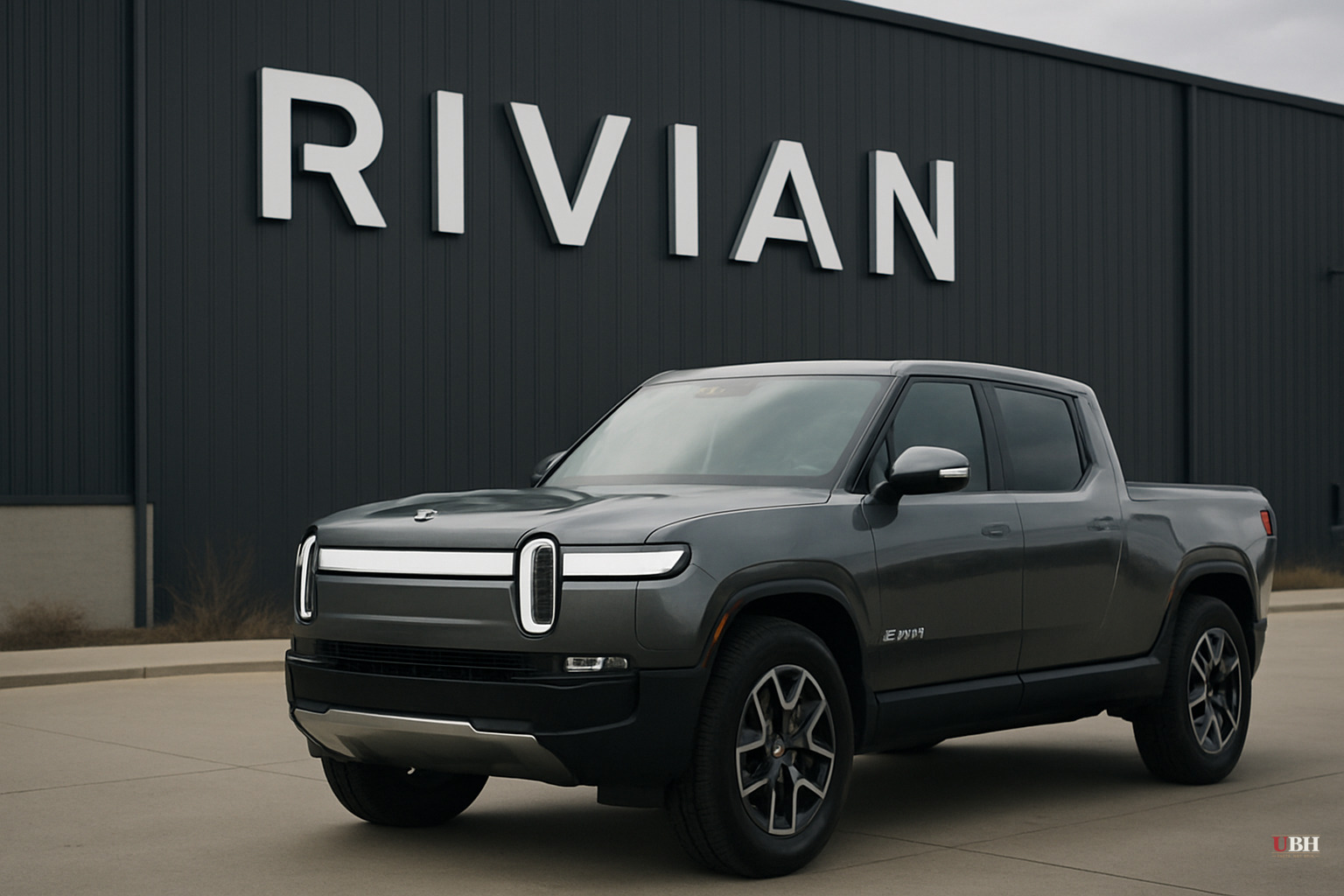
Rivian Sued Over Alleged False Promises of Hands-Free Driving in Gen 1 R1T and R1S Vehicles
What Was Filed
A class action complaint was filed Wednesday, June 18, 2026, in the U.S. District Court for the Central District of California by three named plaintiffs who own first-generation Rivian R1T trucks and R1S SUVs. The law firms Coleman Law and Tycko & Zavareei are representing the plaintiffs and have requested a jury trial.
The suit names Rivian as the sole defendant and makes claims of fraud, negligent misrepresentation, and unjust enrichment, according to reporting by TechCrunch.
What the Plaintiffs Are Alleging
The core claim: Rivian spent roughly five years, through a coordinated nationwide marketing campaign, telling consumers its first-generation R1 vehicles would be capable of Level 3 autonomous driving.
Level 3 autonomy, as defined by the Society of Automotive Engineers (SAE), means a vehicle can handle steering, acceleration, and braking without the driver's hands on the wheel or eyes on the road in specific conditions like highways. The driver is still expected to take over when prompted.
The complaint states: "In reality, Rivian manufactured its Gen 1 Vehicles without the hardware, cameras, sensors, and compute to enable hands-free driving and/or Level 3 autonomous operation."
The complaint continues: "No software update, no matter how sophisticated, will enable its Gen 1 Vehicles to perform as advertised. Rivian unquestionably knew that its Gen 1 Vehicles would never be capable of Level 3 autonomy or 'true hands-free driving' yet continued to tout the supposed capabilities of its vehicles to induce consumers to purchase them."
Among the specific appearances cited, per TechCrunch: CEO RJ Scaringe appeared at TechCrunch Disrupt 2022 and reportedly made representations about the company's autonomous driving ambitions.
What's Actually in Rivian's Vehicles
Rivian's first-generation R1T and R1S do NOT offer hands-free driving. The driver assistance system marketed for those vehicles is called Driver+.
Rivian's second-generation R1 vehicles, overhauled in 2024, are different. The company revamped the internal hardware entirely: battery pack, suspension, electrical architecture, interior, and sensor stack. Second-gen R1s were equipped with the "Rivian Autonomy Platform" as standard. Rivian introduced its "universal hands-free driving" software update late in 2025, and that update was made available to R2 vehicles and second-generation R1s, according to Engadget.
The plaintiffs aren't complaining about cars that haven't received a software update yet. They're arguing the Gen 1 hardware is physically incapable of doing what Rivian advertised, and that Rivian knew this when it was selling those vehicles.
The Strongest Defense Rivian Could Make
Rivian declined to comment on the lawsuit, citing pending litigation, so its legal defense isn't yet public. A reasonable defense may exist.
Autonomous driving timelines have slipped industry-wide. Tesla, Waymo, GM Cruise, and virtually every other player in the space have made forward-looking statements about self-driving that didn't materialize on schedule. Courts have generally been reluctant to treat optimistic product roadmaps as legally binding promises, particularly when the statements were framed as goals or future capabilities rather than guarantees at the time of sale.
If Rivian's marketing materials consistently used language like "will be capable" or "planned to offer" rather than "currently delivers," the fraud claim gets harder to prove. The plaintiffs will need to show Rivian made specific, material representations that were false at the time they were made, not just that the company failed to hit an ambitious engineering target.
Context: This Isn't Rivian's First Lawsuit
This case follows a significant legal loss Rivian already absorbed. Last year, the company agreed to pay $250 million to settle a separate class action shareholder lawsuit. That case stemmed from Rivian's decision in 2022 to suddenly hike prices on the R1T and R1S after customers had already placed orders.
Two major class action settlements in roughly three years would represent a serious pattern for any manufacturer.
The Broader Industry Question
The EV industry has a marketing problem that predates Rivian. Companies routinely sell vehicles on the promise of software capabilities that don't exist yet at the time of purchase. Some of those promises get delivered. Some don't. And when they don't, buyers who paid a premium for features that never arrived have limited recourse short of litigation.
The question this lawsuit forces into the open: at what point does a forward-looking product roadmap become a fraudulent inducement to purchase? That line hasn't been clearly drawn by courts, and this case may push toward one.
The outcome will likely hinge on what Rivian's specific marketing materials said, when they said it, what the company's internal engineering assessments showed at the same time, and whether plaintiffs can establish that Rivian knew the Gen 1 hardware was incapable of Level 3 autonomy while continuing to market it as a future capability. No trial date has been set as of June 18, 2026.
Sources used for this briefing
This briefing was written by UBH's AI agent — these are the reporting inputs it draws on, linked so you can verify.