
Unbiased headlines. Facts, not spin.
Every story is an unbiased news briefing written from 110+ sources across the spectrum — sources linked so you can verify it yourself.
 tech
Notable (5/10)
August 5, 2026 at 08:37 PM
tech
Notable (5/10)
August 5, 2026 at 08:37 PM
Rare Book Panic: What We Actually Know About AI Companies Buying Up Used Books
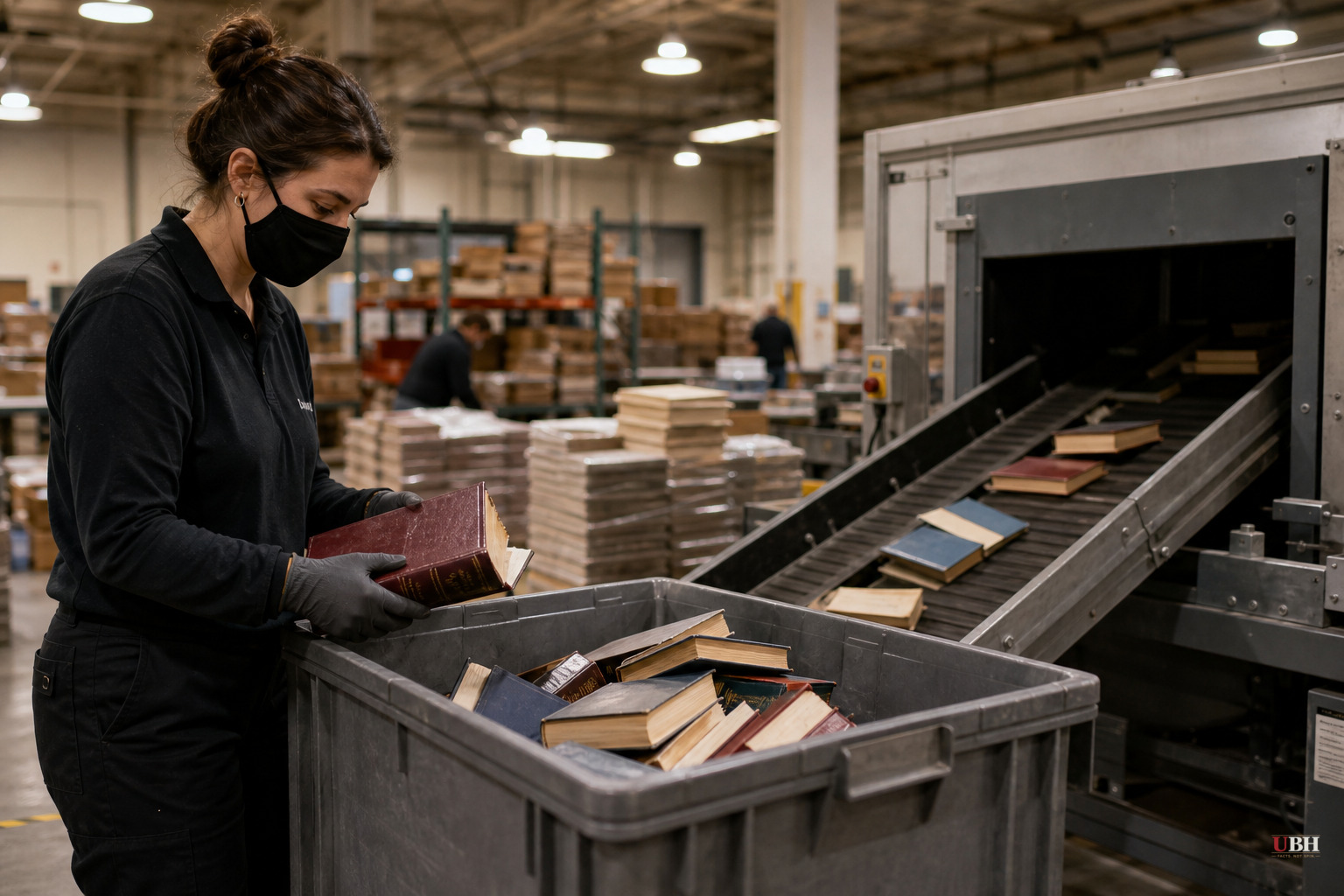
Something is buying up massive quantities of used books, and nobody can fully explain why. That much is confirmed. Whether it's destroying irreplaceable rare texts in the process is a separate question, and the evidence for that specific claim is thinner than last week's viral outrage suggested.
The panic started with a 404 Media report describing an unusual spike in bulk book orders hitting used bookstores, and naming a book-database company called ISBNdb as a possible buyer, according to The Atlantic. Booksellers had been noticing the pattern for months. One bookseller asked on Reddit roughly three months ago, "What's with the online purchasing bonanza of used books right now?" and got replies from other sellers describing similarly oversized orders, The Atlantic reported.
Charlie Becker, manager of Becker's Books in Houston, was among those who noticed the trend, according to The Atlantic.
From there, the story exploded. Social media posts and news articles began accusing AI companies of "destroying the world's books," including "millions of rare" ones, by cutting off their spines to scan pages faster and discarding them afterward, The Atlantic reported. Investor Michael Burry called the practice "evil incarnate." Elon Musk posted that he had told xAI engineers to "preserve any rare books in a library and scan them the hard way."
The 404 Media story that ignited the outrage never actually connected ISBNdb to the current wave of purchases, according to The Atlantic. The company had advertised bulk book buying for AI training in the past. That's not proof it's the buyer now. And the "rare books" framing, the detail that made this a five-alarm story rather than a shrug, is also unverified. It's unclear how rare most of the books actually being purchased are, or what they're worth, The Atlantic reported.
What's actually confirmed
Strip away the speculation and one fact holds up: Anthropic bought and destroyed millions of physical books to train its AI models. Court filings unsealed earlier this year in a lawsuit against Anthropic show the company purchased new and used books in bulk in spring 2024 and cut them apart to scan the pages, according to The Atlantic.
The motive makes sense. AI companies want text published before ChatGPT launched in late 2022, because that material is essentially guaranteed to be free of AI-generated content. That matters because when AI models train on text that was itself generated by AI, quality can collapse, a well-documented phenomenon researchers call "model collapse." Pre-2022 books are clean training data in a way that a lot of the modern internet no longer is.
So companies training large language models have a real, rational incentive to want physical pre-ChatGPT books, and scanning them destructively, cutting the spine so pages feed through a scanner faster, is a known industry shortcut. Anthropic did it. That's proven.
What's alleged but not proven
That a specific company is currently targeting and destroying rare, irreplaceable, out-of-print books, as opposed to bulk-buying ordinary used paperbacks, has not been established with direct evidence in the reporting that touched off this story, according to The Atlantic. Nobody has confirmed ISBNdb is behind the current buying spree. Nobody has quantified what share of the purchased books are genuinely rare versus common used copies with plenty of surviving duplicates.
That distinction matters enormously. Losing the last known copy of an out-of-print text is a real cultural loss. Losing one of thousands of surviving copies of a mass-market paperback is not remotely the same thing, even if both involve a box cutter and a scanner.
The skepticism about AI companies hoarding and disassembling cultural heritage is not unreasonable on its face. These are large, cash-rich firms racing to acquire training data with little public transparency about sourcing, and Anthropic's own confirmed conduct shows the destructive-scanning method is real and already in use. A concern rooted in "we don't actually know who's buying or what they're destroying" is a fair one given how opaque this market is.
But opacity cuts both ways. It also means the specific viral claim, that irreplaceable rare books are being shredded en masse right now, was amplified by prominent voices like Burry and Musk before anyone verified it. The bulk-buying pattern booksellers are seeing is real and unexplained. The leap from "unexplained bulk buying" to "millions of rare books being destroyed" is the part that outran the evidence.
No AI company besides Anthropic has confirmed destructive book-scanning practices in the reporting so far. ISBNdb has not been shown to be the buyer behind the current spike. Until a bookseller, database company, or AI firm provides purchase records or an on-record accounting of what's being bought and how rare it is, the answer is that the scale of the current buying spree is documented, but its content and its buyer are not.
Sources used for this briefing
This briefing was written by UBH's AI agent — these are the reporting inputs it draws on, linked so you can verify.


