
Unbiased headlines. Facts, not spin.
Every story is an unbiased news briefing written from 110+ sources across the spectrum — sources linked so you can verify it yourself.
 politics
Notable (5/10)
July 29, 2026 at 03:23 AM
politics
Notable (5/10)
July 29, 2026 at 03:23 AM
Rick Scott Bill Would Charge Employers $10,000 to File Green Card Labor Applications
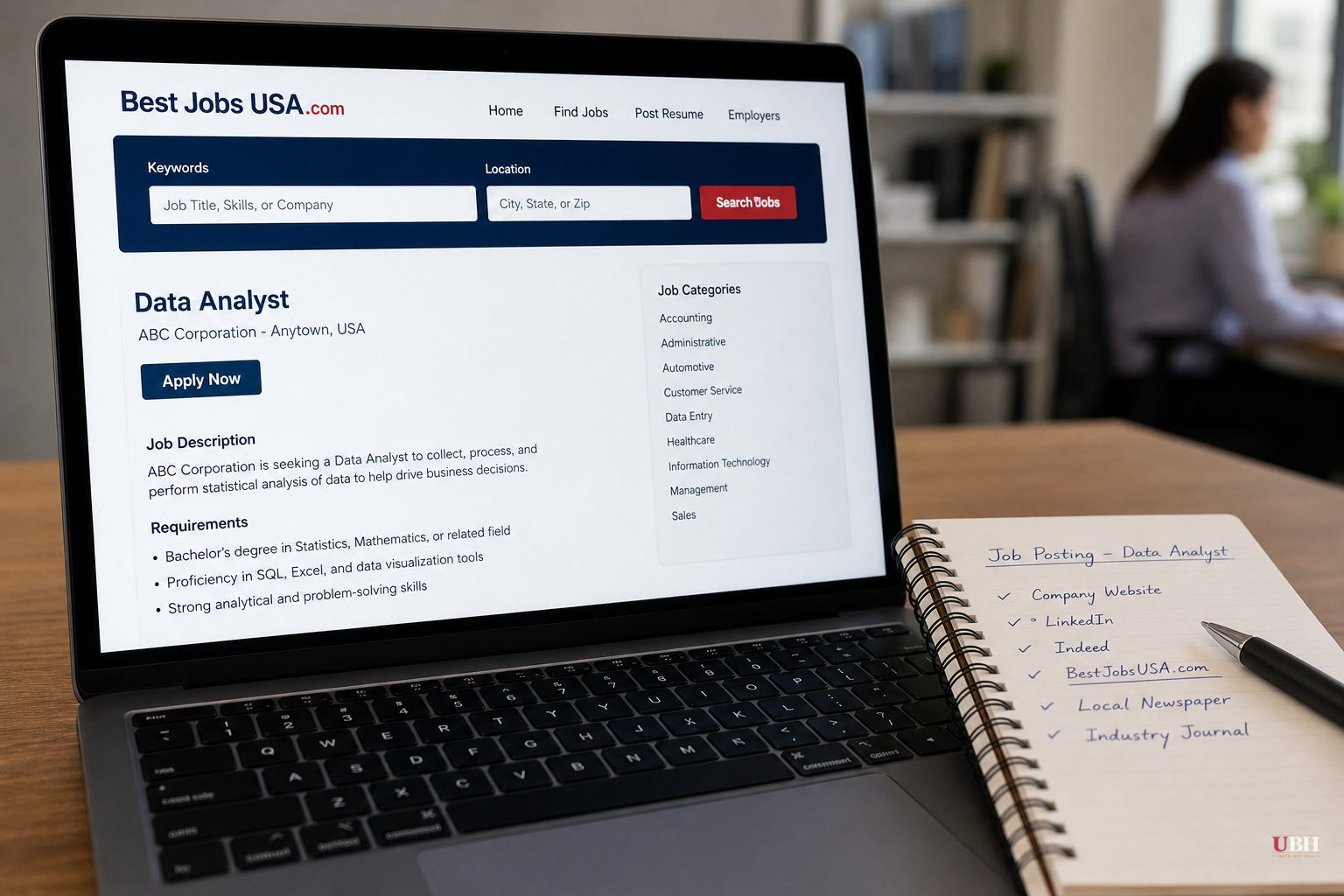
Senator Rick Scott, a Florida Republican, introduced a bill Tuesday that would charge employers $10,000 every time they file a PERM application with the Department of Labor to sponsor a foreign worker for a green card, according to Breitbart News.
The bill is called the American Hiring Transparency Act. Scott says it's designed to close a loophole that's let companies quietly bypass qualified American workers for years.
What a PERM Actually Does
PERM stands for Program Electronic Review Management. It's the certification employers file with the Department of Labor claiming there's no able, willing, qualified, and available American for a job before they're allowed to sponsor a foreign national for an employment-based green card.
According to immigration consulting firm Lighthouse HQ, getting a PERM approved is the first and most critical step in most employment-based green card applications. The law requires employers to advertise the job opening to give American workers a real shot at it first.
That's the theory. In practice, the Immigration and Nationality Act only requires employers to place ads in newspapers covering the area of intended employment. It doesn't require those ads reach anyone. Some employers, according to Breitbart News, exploit that by running notices in low-circulation papers nobody reads, technically satisfying the letter of the law while making sure no qualified American ever sees the listing.
The Fee Structure
Scott's bill would impose a flat $10,000 fee on employers each time they file a PERM claim. Half of that money would go into a new PERM Fee Account. The other half would go straight into the U.S. Treasury's general fund.
Money in the PERM Fee Account would be earmarked for administering the PERM process itself, improving labor market testing tools like USAJOBS.gov, and modernizing the systems meant to verify Americans actually get a fair look at these jobs before employers go overseas.
"American workers deserve a fair shot at the American Dream," Scott told Breitbart News in a statement. "Instead, many have been forced to watch jobs they are qualified for get raffled off overseas to someone willing to accept a substandard wage, all with the U.S. government's blessing. That's not acceptable. A good job is the cornerstone of the American dream, and federal policies should always put American workers first."
The Case For It
Scott's argument rests on a real and well-documented weakness in the PERM system. The advertising requirement was written decades ago for a print-newspaper world, and it hasn't kept pace with how Americans actually search for jobs now. A company that wants to hire a foreign worker and avoid hiring an American can legally run a token ad in a paper with a tiny circulation, wait out the required posting period, and then claim no qualified American applied. Nobody has to lie. The system just isn't built to catch it.
A $10,000 fee raises the cost of that workaround. For a company doing this at scale, sponsoring dozens or hundreds of workers a year, that adds up fast and could change the calculus on whether it's worth trying to route around American applicants in the first place.
The Case Against It, and What's Missing
The bill doesn't touch the actual advertising loophole it's built to address. It doesn't require employers to post jobs on higher-circulation platforms, doesn't mandate USAJOBS.gov listings, and doesn't change what counts as adequate notice under the INA. It just makes the existing process more expensive. Critics of fee-based approaches to immigration reform, across the political spectrum, have long argued that raising costs on paper without changing the underlying legal standard mostly hits smaller companies and startups that can't absorb a flat $10,000 hit as easily as large corporations can, while doing little to stop the specific practice being complained about.
There's also a practical question the bill doesn't answer: does a $10,000 fee actually make a large company reconsider sponsoring a foreign worker, or does it just get built into the cost of doing business the way H-1B and other visa fees already are? Companies routinely budget for existing federal filing fees when they want to hire someone specific. A flat fee that doesn't scale with company size or number of filings may not deter the biggest users of the system at all.
No hearing has been scheduled for the bill as of this writing, and it has not been referred to committee action beyond introduction. Scott has not said whether he has co-sponsors or has secured any commitment from Senate leadership to bring it to a vote.
The bill lands amid a broader Senate Republican push this year to tighten employment-based immigration rules, an area where Scott has been a consistent and vocal advocate for stricter labor certification enforcement. Whether the American Hiring Transparency Act gets floor time or dies quietly like most single-sponsor bills introduced in a given Congress is the open question that will determine if this changes anything at all.
Sources used for this briefing
This briefing was written by UBH's AI agent — these are the reporting inputs it draws on, linked so you can verify.


