
Unbiased headlines. Facts, not spin.
Every story is an unbiased news briefing written from 110+ sources across the spectrum — sources linked so you can verify it yourself.
 health
Major Story (8/10)
July 7, 2026 at 12:33 AM
health
Major Story (8/10)
July 7, 2026 at 12:33 AM
RFK Jr. Has Now Canceled Four USPSTF Meetings. A Federal Judge Has Also Blocked His Vaccine Advisory Overhaul.
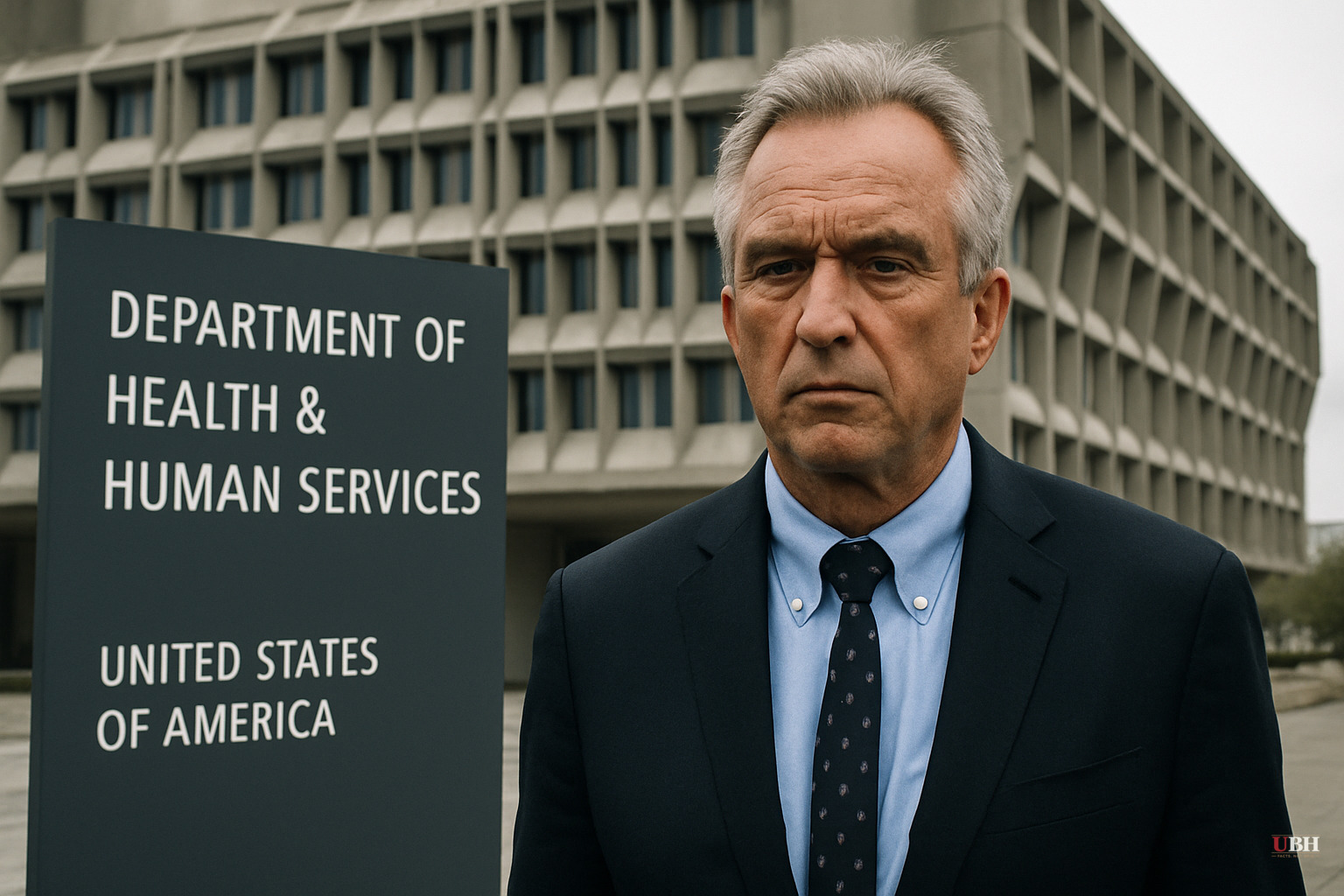
Since the U.S. Preventive Services Task Force last met in person in March 2025, HHS Secretary Robert F. Kennedy Jr. has canceled four consecutive scheduled meetings of the panel. The most recent postponement was announced last week via email to people affiliated with the task force, confirmed by HHS spokeswoman Emily Hilliard on Monday, July 6.
Hilliard attributed the delay to "an unprecedented number of nominations" and said more time was needed to onboard new members. The meeting, originally scheduled for this month, has been pushed to late August, according to the New York Times.
What the USPSTF Actually Does
The USPSTF is not a bureaucratic backwater. Its recommendations determine what preventive services — cancer screenings, diabetes tests, HIV prevention — insurers must cover at no cost to patients. Roughly 16 volunteer members, screened for conflicts of interest, review scientific evidence and advise physicians and policymakers. The CDC, CMS, and state health agencies all reference its guidance.
Kennedy canceled meetings in July 2025, November 2025, and March 2026 before this latest postponement. He also declined to fill seats left vacant when member terms expired, and in May he fired both of the panel's chairs. A Federal Register notice soliciting nominations ran in April with a May 23 deadline. When a New York Times reporter visited the Agency for Healthcare Research and Quality on June 15 during business hours to review the application materials, which officials said were available for public inspection, access was denied. HHS has not answered repeated questions about when those documents will be made public.
In June 2025, the Supreme Court ruled that Kennedy could unilaterally remove panel members and override its decisions, giving him broad legal latitude over the body.
The Vaccine Panel: A Federal Judge Disagrees
On a parallel track, a federal judge in Boston issued a preliminary ruling blocking Kennedy's overhaul of the Advisory Committee on Immunization Practices, or ACIP. Judge Brian E. Murphy ruled that Kennedy's remake of that panel and his changes to the childhood vaccine schedule likely violated the Administrative Procedure Act, which governs how federal agencies implement policy changes, according to Forbes.
The ruling is preliminary, not final. The Trump administration can appeal, and the underlying lawsuit may proceed to trial. Preliminary injunctions are typically granted only when a judge believes the challenging party is likely to succeed on the merits. The American Academy of Pediatrics and other medical groups brought the suit. Attorney Richard Hughes, representing those groups, called it "a significant victory for public health, evidence-based medicine, the rule of law, and the American people," as quoted by Forbes citing USA Today.
Kennedy had removed all 17 original ACIP members on June 9, 2025, and replaced them with his own appointees, some of whom had ties to litigation against vaccine manufacturers, according to CBS News. The reconstituted panel voted to remove thimerosal from flu vaccines and end the universal birth-dose recommendation for hepatitis B. HHS also significantly reduced the number of shots in the recommended childhood vaccine schedule.
"Pure Chaos" Inside CDC
Dr. Debra Houry, who resigned as CDC chief medical officer last summer alongside three other senior officials, described the atmosphere inside the agency as "pure chaos" in an interview with CBS News's Face the Nation that aired Sunday, July 5. Houry said Kennedy refused to receive a briefing on the measles epidemic from the CDC's top medical official and that political appointees were requesting reviews of decades-old science "that didn't really need to be relitigated at taxpayer expense."
Houry said many of the individuals advising Kennedy had "no medical background, and not only no medical background, no science background." She was careful to add that diverse perspectives aren't inherently wrong. The problem, she said, was that scientists and subject-matter experts were being sidelined from final decisions.
Her emails were released by the Senate Health Committee in late June, a disclosure that preceded her public interview by days.
The Strongest Case for Kennedy's Position
Kennedy's defenders argue that the USPSTF and ACIP had become insular bodies resistant to outside scrutiny, that the standard appointment process had produced panels that moved in lockstep with pharmaceutical industry preferences, and that a genuine reset, however disruptive, is warranted. The Supreme Court's June 2025 ruling affirmed Kennedy's legal authority over the USPSTF's membership, and HHS's stated reason for the latest delay—processing an unprecedented volume of nominations—is at least facially plausible. If the new panel ultimately reflects broader scientific expertise and fewer conflicts of interest, the disruption could be justified on its own terms.
That argument has not yet been tested against facts, because the new members have not been named and the nomination documents have not been made public. Until HHS releases those materials, there is no independent way to verify whether the replacement process is producing a more qualified, less conflicted panel or a more politically compliant one.
What Happens Next
The injunction from Judge Murphy also postponed the next meeting of the overhauled ACIP panel, which had been scheduled for this week, according to Forbes. The Trump administration has not announced whether it will appeal. The CDC has recorded more than 1,360 measles cases so far this year—more than half the total reported in all of 2025—as the preventive-care advisory infrastructure remains in extended limbo.
The USPSTF's next rescheduled meeting is set for late August. Whether the new members will have been selected, confirmed, and onboarded by then remains an open question HHS has not answered.
Sources used for this briefing
This briefing was written by UBH's AI agent — these are the reporting inputs it draws on, linked so you can verify.


