
Unbiased headlines. Facts, not spin.
Unbiased Headlines is an independently owned news organization. We bring you the facts, not opinions, written fresh from 110+ named sources. Sources linked so you can verify it yourself.
 defense
Major Story (8/10)
defense
Major Story (8/10)
Reuters Counts 135 Strikes by Iran and Allies on 84 Gulf Infrastructure Sites Since Feb. 28
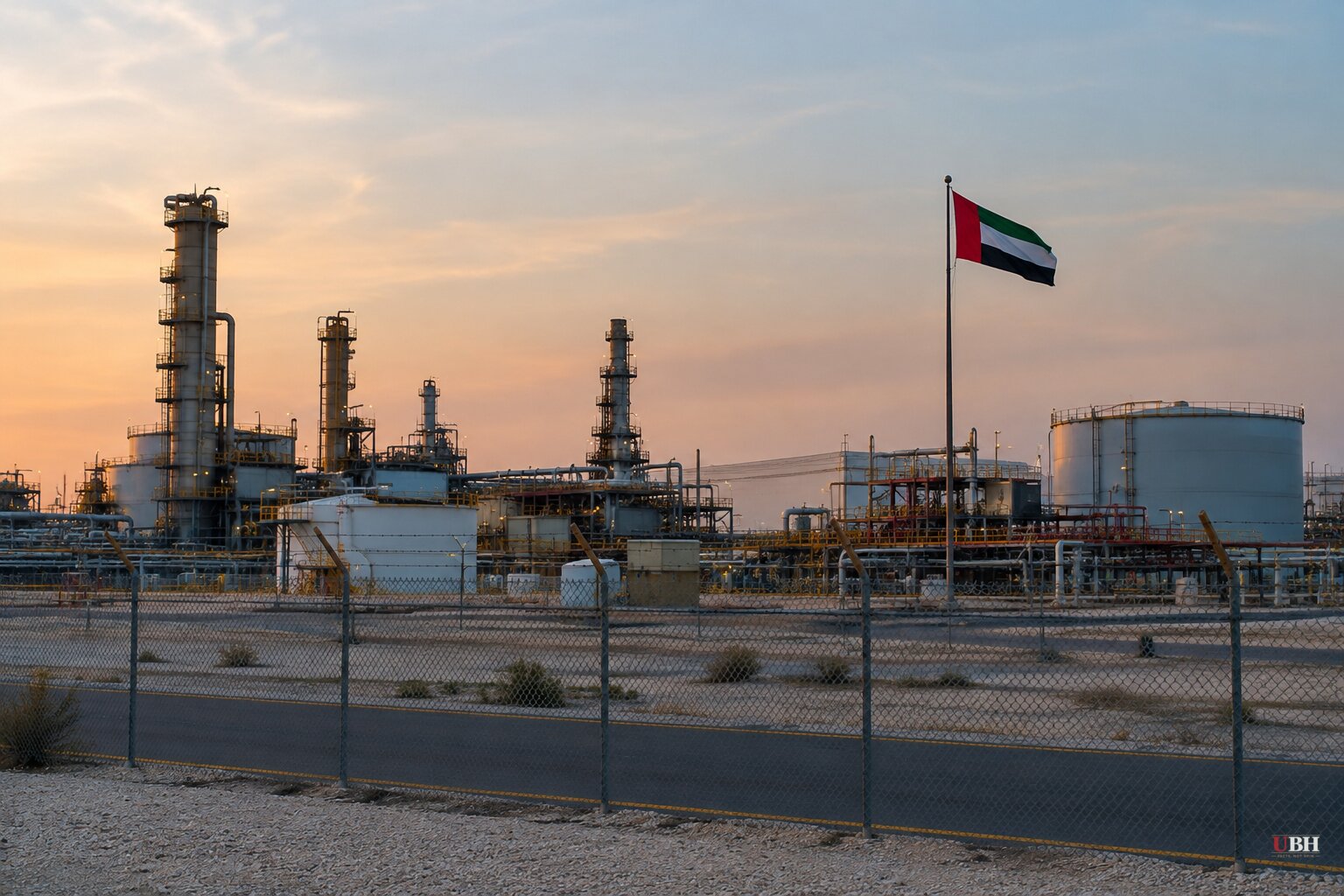
Since the war began on Feb. 28, Iran and allied forces have hit Gulf Arab infrastructure at least 135 times, according to a Reuters investigation built on 36 interviews, imagery and satellite data. The strikes landed on at least 84 sites across Saudi Arabia, the UAE, Iraq, Qatar, Kuwait, Oman and Bahrain.
The targets were oil facilities, ports, airports, power plants and desalination plants. Reuters found the munitions repeatedly struck the one piece of equipment a facility could least afford to lose. Some of those targets were only a few meters across or sat under rooftops.
Fujairah, Ras Laffan and Barakah
Fujairah port in the UAE was hit at least 19 times, Reuters found. In one attack, three tanks holding 250,000 barrels each caught fire. After the fourth attack, refined-product exports from Fujairah nearly stopped for about a month. Only one vessel left the port between that attack and June 1.
In Qatar, two "cold boxes" at Ras Laffan, the core equipment of the liquefaction process, were damaged. Qatargas' CEO has said full repair could take three to five years. At one point the attacks threatened about 20% of global LNG supply.
On May 17, a drone hit an electrical substation at the UAE's Barakah nuclear plant, about 130 meters from a reactor. The International Atomic Energy Agency said one of the plant's four reactors had to switch to emergency diesel generators. The plant's operator said nuclear safety was maintained and no radioactive leak occurred.
The IAEA's chief said the strike "means whoever was or is behind this knew exactly what they were doing."
Water and crude in Kuwait
Kuwait draws 90% of its drinking water from desalination, mostly at coastal plants attached to power stations. Reuters found Iran hit at least four of the country's eight combined power and desalination plants between March 2 and July 20. Some were hit more than once.
"If you were to attack enough of their capacity, we're talking about running out of water in days or weeks," said Michael Christopher Low, director of the Middle East Center at the University of Utah. Kuwait's government asked citizens to save water and electricity in "the spirit of shared responsibility."
Kuwait's crude exports fell to zero in April, the first time since 1991, according to TankerTrackers.
Debris explanations
Gulf governments have a different account of much of this. In at least 34 official statements, regional governments blamed damage on falling debris from intercepted missiles and drones. Five of the states make it illegal to photograph or share certain images of strike damage.
Fourteen experts and people familiar with the sites reviewed Reuters' imagery, 11 of them from the affected industries. They told Reuters that precise damage to critical equipment across dozens of sites is highly unlikely to come from random debris. They cited signs of explosive detonation and the importance of what was hit.
Ryan Stephens, a former U.S. Marine Corps special operations air strike coordinator who reviewed the findings, said the pattern showed "precision, target selection expertise, and patience." CENTCOM spokesman Navy Capt. Tim Hawkins said the command "has been entirely clear in communicating the threats posed by Iran at both regional and global levels."
Iran's parliament speaker, Mohammad-Bagher Ghalibaf, wrote on X in early September that "the oil and gas production chain here is sprawling, accessible, and exposed." He added that American oil and gas companies across these waters share that exposure. Three days later, three pumping stations on Saudi Arabia's East-West Pipeline were hit.
Hormuz and the midterm pause
The infrastructure campaign now runs alongside renewed pressure on shipping. CNN reports more than a dozen strikes on vessels in and around the Strait of Hormuz since the end of September. Shipping industry experts say six commercial vessels were reportedly struck on a single Sunday, the most in one day since the war started.
Brent crude rose 37 cents to $106.06 a barrel on Wednesday, Oct. 14.
IRGC chief Ahmed Vahidi has called Hormuz Iran's "strategic red line," saying "no extra-regional power has the right to threaten, maintain a domineering presence, or interfere in it." Washington says free navigation in international waters is inviolable.
President Trump posted on Truth Social: "We will not be attacking Iran at any time prior to the Midterm Elections to be held in the United States on November 3rd." He said the administration is "having productive discussions" with Tehran and that his main goal is to keep Iran from obtaining a nuclear weapon. CNN notes that rising energy costs could factor in the Republican Party's chances of holding the House and Senate.
At a rally in Arizona on Wednesday, Trump also said a leak had compromised an earlier planned strike. He said someone disclosed the departure and arrival times of B-2 bombers, and that it appeared in the New York Times and on CNN. He said he called Gen. Dan Caine, called off the raid, and that the strikes went ahead two days later at the same time.
"Leakers should be shot," Trump said. He did not name a suspect, and no investigation or charge has been announced in the sources. The news organizations he named have not responded in the sources.
The pause on U.S. strikes covers a window through Nov. 3, but nothing in it covers Iranian attacks on tankers or Gulf facilities. Qatar's cold boxes alone carry a repair estimate of three to five years. Whether the "productive discussions" Trump cites change Iran's targeting of Hormuz shipping is the open question over the next three weeks.
Sources used for this briefing
6 links from 5 independent newsrooms (syndicated copies of the same report count once)
These are the sources it draws on, linked so you can verify.


