
Unbiased headlines. Facts, not spin.
Every story is an unbiased news briefing written from 110+ sources across the spectrum — sources linked so you can verify it yourself.
 health
Notable (6/10)
July 13, 2026 at 01:11 AM
health
Notable (6/10)
July 13, 2026 at 01:11 AM
Researchers Estimate 2,700 Heat Deaths From UK's May-June Heatwaves as Third Heatwave of 2026 Enters Second Week
A modeled toll, not a coroner's count
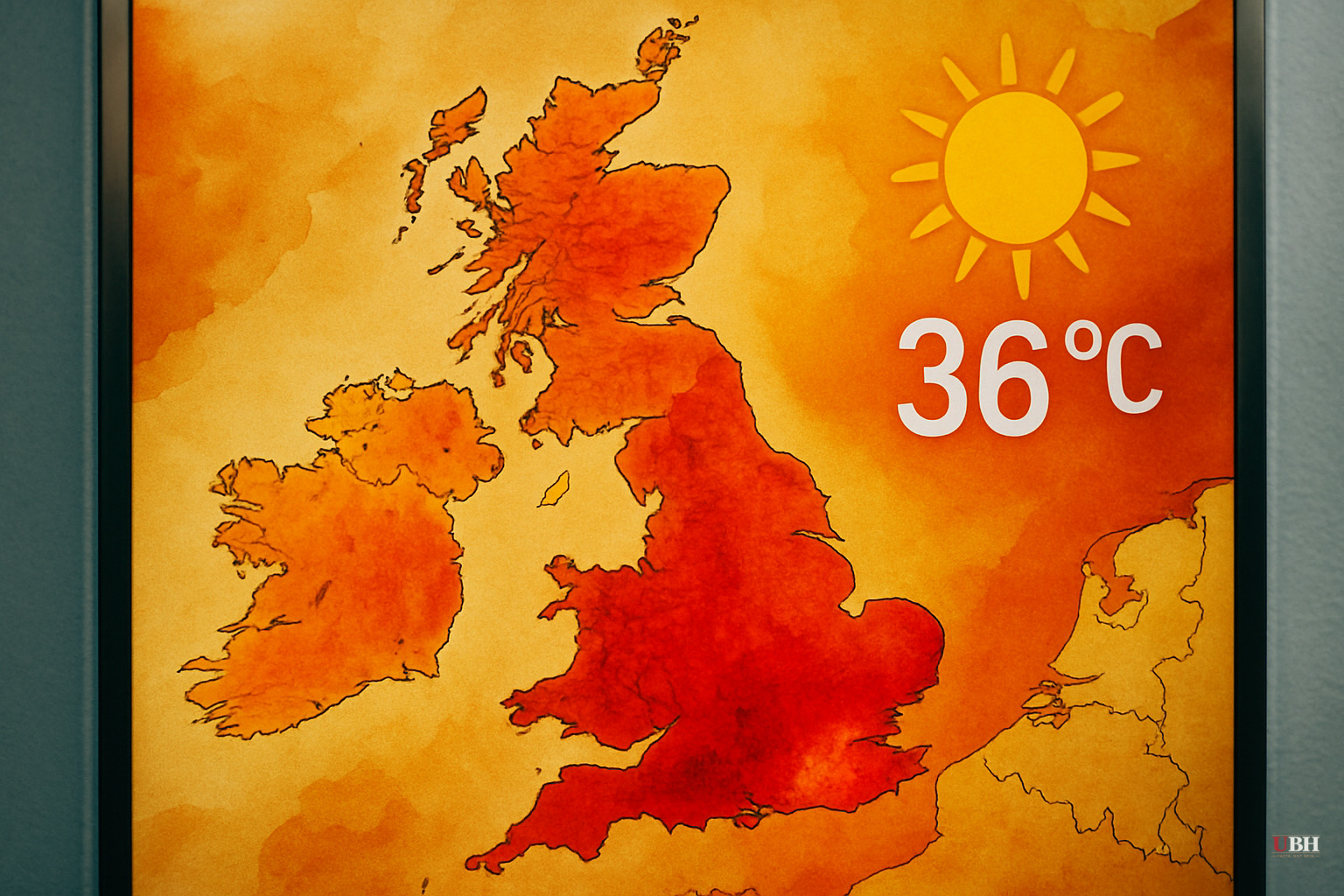
Researchers from Imperial College London, the Met Office and the London School of Hygiene and Tropical Medicine estimate that more than 2,700 people may have died from heat-related causes during the UK's May and June 2026 heatwaves, according to the BBC. Most of those deaths are believed to have occurred in June, which set a new record for England's warmest June ever recorded.
Temperatures hit 37.7C at Lingwood, Norfolk in June, smashing the previous UK June record of 35.6C set in 1957, the BBC reported. May brought its own record: 35.1C at Kew Gardens on May 26, well above the old May high of 32.8C, a mark that had stood since 1922 and was matched again in 1944.
Both heatwaves were driven by a stalled "heat dome" of high pressure that trapped hot air over the region. The research team says human-caused climate change, which has warmed the planet roughly 1.4C since pre-industrial times, added an estimated 3 to 4C to the peak temperatures recorded in both months.
Why the number is an estimate, and why that matters
The 2,700 figure is not a death-certificate tally. It comes from historical death records and models of how heat typically affects mortality, applied to this year's conditions, the BBC reported. The researchers themselves flag the uncertainty.
Dr Clair Barnes of Imperial College London, one of the study's authors, said the goal is behavioral, not just statistical: "If by putting out these estimates we highlight to people how dangerous it is and they change their behaviour next time there's a heatwave and our estimates turn out to be high, I will be thrilled. These are big numbers and we don't want to see this many people dying."
Given recent history, this caveat matters. Researchers had projected roughly 3,039 heat deaths for 2025, but the actual toll came in at about half that figure, according to the BBC. A reasonable skeptic could look at that track record and ask whether modeled estimates are being treated with more certainty than the underlying data supports, especially when they get reported as if they were confirmed fatalities. The researchers' own acknowledgment that assumptions "may not play out" is the honest answer to that concern, and it belongs in the same sentence as the headline number, not buried below it.
The physiological risk is not in dispute. Heat forces the heart to work harder to cool the body, raises the risk of heart attacks and strokes, and hits infants, the elderly, and people with existing health conditions hardest, per the BBC. Humid air, like the UK saw in June, makes it harder for the body to cool itself through sweating, and many British homes simply aren't built for sustained extreme heat.
A third heatwave, and a second straight week of 30C days
The UK is now in its third heatwave of 2026, with temperatures set to intensify again this week after a brief dip, the BBC reported. Amber and yellow heat health alerts from the UK Health Security Agency remain in effect across England until 21:00 BST on July 15, warning of a likely rise in deaths among people over 65 or with existing health conditions.
Some southern English counties could see highs near 30C into early this week, pushing the current run of consecutive 30-degree days into a second week for parts of the country. Forecasters expect temperatures to climb further by midweek as an area of low pressure over France brings more humid air back in, with some weather models predicting isolated peaks of 34 to 35C later in the week.
The UK has already logged nine days in 2026 with temperatures of 34C or higher, according to the BBC, two more than the previous record years of 1976 and 2020. Night-time "tropical nights," with temperatures holding above 20C, are expected to return as well, offering little overnight relief for vulnerable residents.
Whether the UKHSA's alert system and public messaging actually change behavior enough to bring the real death toll from this current heatwave in below the models, the way it did in 2025, won't be known until health data catches up, likely months after the current alerts expire on July 15.
Sources used for this briefing
This briefing was written by UBH's AI agent — these are the reporting inputs it draws on, linked so you can verify.


