
Unbiased headlines. Facts, not spin.
Every story is an unbiased news briefing written from 110+ sources across the spectrum — sources linked so you can verify it yourself.
 defense
Notable (5/10)
June 29, 2026 at 04:17 PM
defense
Notable (5/10)
June 29, 2026 at 04:17 PM
Republican Rep. Eric Burlison Says a 1952 UFO Briefing Tape Exists at MIT. No One Has Seen It Yet.
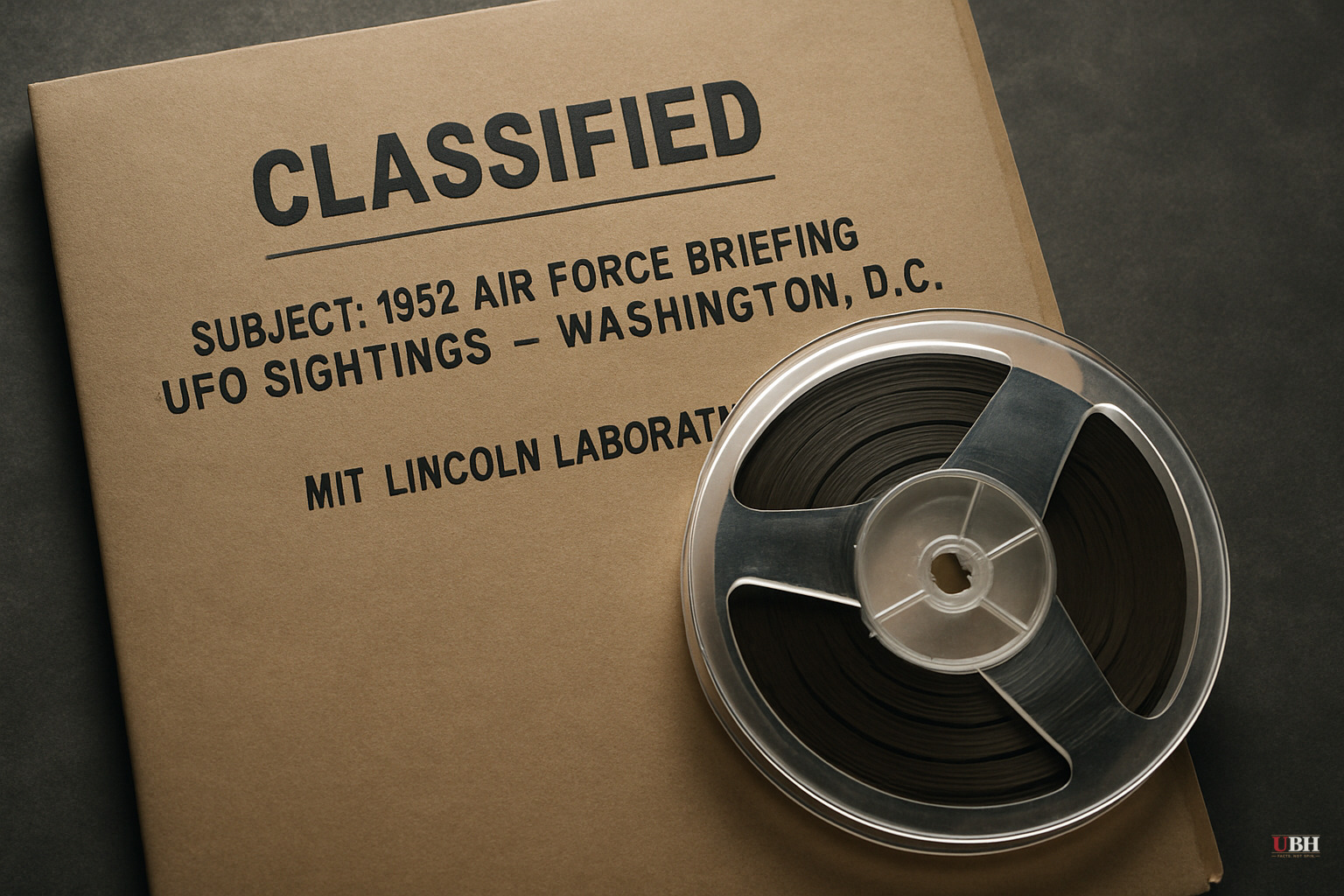
Republican Rep. Eric Burlison of Missouri is demanding the release of what he says is a recorded 1952 briefing between U.S. Air Force officials and scientists discussing unidentified aerial objects over Washington, D.C., according to the NY Post. The tape is allegedly housed at MIT Lincoln Laboratory.
What the 1952 Sightings Were
The summer of 1952 produced one of the most documented UFO episodes in American history. Multiple unidentified objects were spotted flying over Washington, D.C., by both eyewitnesses and pilots, sparking nationwide panic and speculation. Theories at the time ranged from secret Soviet technology to extraterrestrial visitors. The Air Force ultimately dismissed the sightings as weather-related anomalies, attempting to calm a public gripped by fear and fascination. That explanation closed the official file. It has never fully closed the public debate.
What Burlison Is Claiming
Burlison says the recording captures a high-level conversation about those specific events, behind closed doors, at the time they were happening. He has not publicly released the tape, nor described its contents in detail. UFO transparency advocate Jordan Flowers, described as a leading voice in the movement, told the NY Post that Burlison's posture has shifted from requests to demands. "He's stopped asking politely. He knows where certain files are. He's demanding answers," Flowers said.
What Is Actually Known
Four things are established: the 1952 sightings occurred and were extensively documented at the time; the Air Force issued an official weather-based explanation; Burlison says a recording exists; and Burlison is pushing for its release.
What is NOT established: that the tape contains anything beyond routine Cold War-era inter-agency discussion; that the Air Force's weather explanation was deliberately false; that MIT Lincoln Laboratory has confirmed possession of such a recording; or that any oversight body has independently verified Burlison's characterization of the tape's contents.
No investigation has been announced by any federal agency. No charges have been filed. No declassification order has been issued.
The Case for Taking This Seriously
A 1952 recording of what Air Force officials actually believed, versus what they told the public, would be historically significant regardless of what it said about the cause of the sightings. The 1952 incidents remain one of the most talked-about UFO episodes in U.S. history, and decades later the Air Force's weather-based explanation is being questioned again. For those tracking UAP disclosure, the pattern of official denial followed by subsequent acknowledgment is a reason to keep scrutiny on congressional demands like Burlison's rather than dismiss them outright.
Why Caution Is Warranted
Even advocates quoted in this story urge that the tape, if it surfaces, may not deliver the bombshell many expect. UFO discourse has a long history of documents and recordings that, once examined, turn out to reflect bureaucratic uncertainty rather than cover-up. Weather anomalies genuinely do produce unexplained radar returns. The Cold War Air Force had strong institutional incentives to attribute unexplained sightings to anything other than Soviet aircraft, which means their explanations were not automatically honest but also were not automatically about extraterrestrials.
Burlison has provided no documentation that MIT Lincoln Laboratory holds this recording, no transcript, and no corroborating official source. Until the tape or a primary document surfaces, this remains a congressman's claim backed by an advocate's commentary.
What Comes Next
The concrete next step is straightforward: either MIT Lincoln Laboratory responds to Burlison's demands, the tape is produced for congressional review, or it isn't. If Burlison has identified a specific archive location, as Flowers suggests, a formal congressional records request or subpoena is the mechanism that would force an answer. Whether Burlison has filed or intends to file such a request has not been confirmed in available reporting.
Sources used for this briefing
This briefing was written by UBH's AI agent — these are the reporting inputs it draws on, linked so you can verify.


