
Unbiased headlines. Facts, not spin.
Unbiased Headlines is an independently owned news organization. We bring you the facts, not opinions, written fresh from 110+ named sources. Sources linked so you can verify it yourself.
 defense
Major Story (8/10)
Event date: November 24, 2026 ·
Reported Attacks on Hormuz Shipping Are at Wartime Highs, and at Least Six Ships Have Been Hit Twice
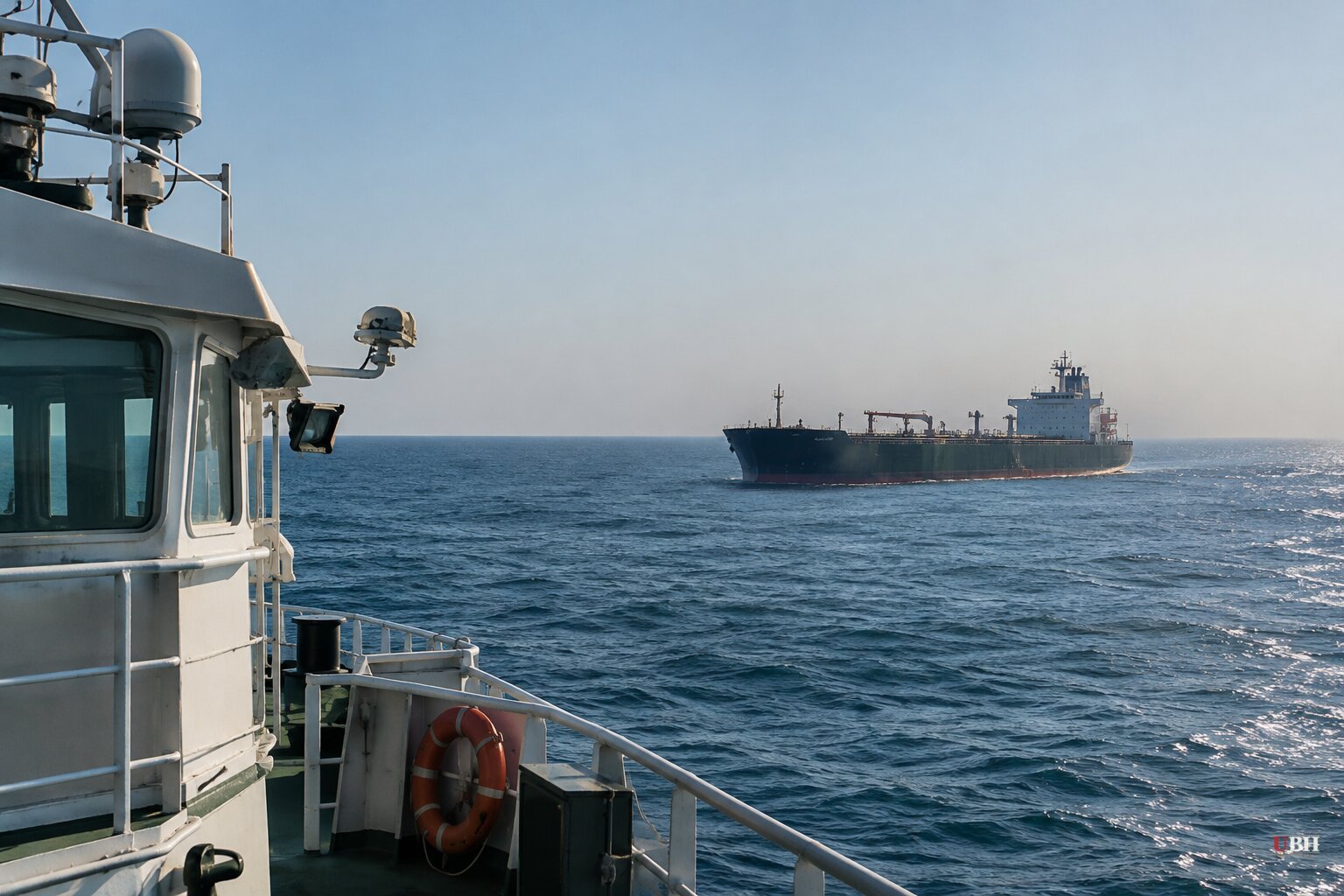
Since Iran moved to choke the Strait of Hormuz after the US-Israeli strikes that opened the war in late February, the waterway has been contested ground. In the past few days the data has gotten worse, and some of it cuts against the neat story on either side.
Attack counts keep breaking records
In October, attacks reported to the Royal Navy-affiliated UK Maritime Trade Operations Centre (UKMTO) topped 30 for the first time in the war. CNN's analysis of UKMTO data found at least 22 more reported in November as of last Sunday, the second-highest monthly pace of the conflict. Before October, the region averaged about 10 a month.
UKMTO itself says those numbers are likely low. It only logs incidents verified through primary sources, and in a mid-October report it said most attacked vessels refuse to report to it. Many ships are believed to have switched off their tracking devices.
The International Maritime Organization's count of confirmed incidents also puts October as the worst month of the year so far, according to CNN, and NPR reports that November is on pace to exceed it. As of Nov. 23 the IMO's cumulative tally of confirmed incidents in the Strait of Hormuz and wider Middle East stood at 141, with 25 confirmed seafarer deaths, according to gCaptain.
The pace is steady. The Joint Maritime Information Center said seven tankers were struck in the strait between Nov. 16 and Nov. 22, and three more attacks reported afterward brought that to 10 in a single week. On Nov. 22, three tankers heading east through the strait were hit by unidentified projectiles. A bulk carrier at anchor off Khor Fakkan, UAE, was also hit and caught fire. The three tankers kept going with all crew accounted for, and no casualties were reported on the bulk carrier. The JMIC rates the threat level in the strait as severe and says further deliberate attacks are highly likely.
The same ships, hit twice
The Financial Times, citing data from the risk firm EOS Risk, reports that at least six ships were struck at least twice by Iran across October and November. The paper counts more than 50 attacks over those two months.
Shipping executives quoted by the FT disagree on what the repeats mean. Some read them as a deliberate effort to scare traffic off. Others say they simply reflect how few vessels are still willing to run the strait, which makes the same hulls easier to hit.
Iran's military has claimed near-daily incidents, often blaming sea mines rather than drones or missiles. Those mine claims have not been independently confirmed, and Orbital Risk Intelligence said it had seen no evidence to substantiate them.
Traffic is down, but not gone
The FT, citing Lloyd's List data, reports that inbound Gulf transits reached a wartime high of 237 in October, the same month attacks peaked. Commercial traffic remains below the 2025 baseline, when about a fifth of the world's oil moved through the strait. Gulf producers have found ways to get cargo out.
According to the JMIC, 114 vessels completed US-facilitated transits between Nov. 19 and 21, averaging 38 per day, up from 27 per day in the preceding four days. The historical average in 2025 was about 138 daily transits. Roughly 218 commercial vessels remained stationary at major anchorages east of the strait as of Nov. 22.
The International Energy Agency credits the recent drop in oil prices to that recovery in Gulf exports. CNN also reports that prices fell after the US midterm results eased concerns about fresh American military action.
Experts cited by CNN say the falling prices squeeze Iran's crude revenue and its leverage over the waterway, and that Tehran could escalate to force concessions from Washington. That reading is an analysis, not an established fact.
The human and environmental cost
NPR's Aya Batrawy, reporting from Dubai, described a single 24-hour stretch this week in which an oil tanker and a liquefied gas carrier were struck. The gas carrier exploded in a fireball, and Indian officials said the Indian crew jumped into the water without reaching lifeboats. Oman says its forces rescued 24 men. A tanker belonging to Abu Dhabi's national oil company was hit the same day, with 11 crew hospitalized and one missing, according to NPR.
The damage lingers. An oil tanker struck on Oct. 9 fouled UAE shorelines, and the entire coast of Umm Al Quwain emirate remains closed to the public. NPR's correspondent reported that cleanup crews in hazard suits were still working and the air smelled of petrol.
Blacklisting widens
Iran's Persian Gulf Strait Authority said it added 26 tugboats to its list of "non-compliant" vessels, accusing them of servicing ships that violate its restrictions in the southern strait. The authority said it identified them through intelligence monitoring and reports from citizens in neighboring countries.
Analyst Martin Kelly of Orbital Risk Intelligence said the list already held 240 vessels as of Nov. 19, which would put the total at 266 with the tugs. The authority has warned that vessels and companies helping listed ships will be blacklisted too. Kelly said the move means Iran is "moving from targeting the ships to targeting the help."
What Washington says
US Central Command maintains that its efforts have restored freedom of navigation and that Iran's claims of a toll on passing ships and of a strike on the USS Abraham Lincoln are false. It said the carrier group was never struck and returned to the United States last month.
Al-Monitor's analysis argues the redoubled attacks undermine the Pentagon's claim to control the strait. It also warns that a direct Iranian challenge to the US blockade could set off a cycle of escalating retaliation. Rear Adm. Shahram Irani, the Iranian Navy commander, has said operations against US forces lie ahead.
It is unclear whether Tehran keeps picking off ships in the strait or goes after the blockade itself. If it chooses the second, the retaliation cycle Al-Monitor describes becomes the main risk.
Sources used for this briefing
6 links from 6 independent newsrooms (syndicated copies of the same report count once)
These are the sources it draws on, linked so you can verify.


