
Unbiased headlines. Facts, not spin.
Every story is an unbiased news briefing written from 110+ sources across the spectrum — sources linked so you can verify it yourself.
 finance
Notable (6/10)
Event date: August 7, 2026
finance
Notable (6/10)
Event date: August 7, 2026
RBI Proposes Ban on Revolving Credit Loans, Wipes Rs 33,000 Crore Off Bajaj Finance in One Day
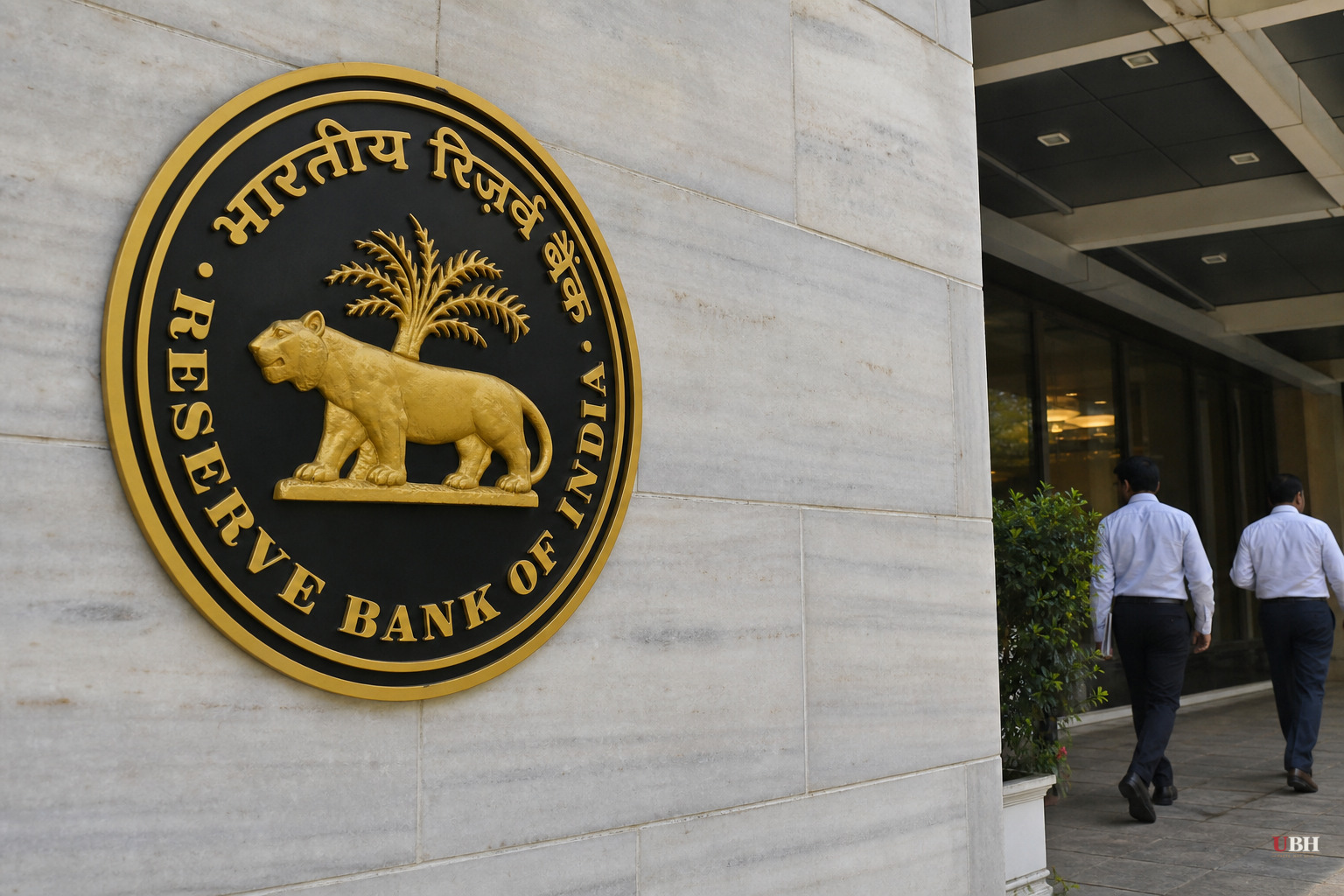
The Reserve Bank of India issued a major regulatory proposal on August 6, and NBFC stocks felt it the next day.
The RBI's draft circular proposes that non-banking finance companies can only offer term loans with fixed amounts, fixed schedules, and no refills once you pay it down. Revolving credit products, the flexi-loans and digital credit lines that let a borrower draw and repay repeatedly against a sanctioned limit, would effectively be banned for most NBFCs.
The market reaction was immediate. Bajaj Finance, India's largest private-sector NBFC, fell nearly 6% on Friday, August 7, according to Business Standard, erasing roughly Rs 33,000 crore in market capitalization in a single session. Tata Capital dropped about 3%, L&T Finance fell over 2.5%, and Cholamandalam Investment slid 3.5%, according to TradingView's reporting.
Why Bajaj Finance took the largest hit is a matter of exposure. IIFL Capital estimates flexi-credit products make up about 15% of its consolidated assets under management, per Business Standard. IIFL Finance senior VP Viral Shah pegs it closer to 20% of Bajaj Finance's standalone AUM specifically, with Tata Capital in the high single digits to low double digits and Cholamandalam under 1%.
This variation in exposure explains why the industry response has been loud from Bajaj-type lenders and comparatively muted from others.
Tata Capital says this barely touches it
Speaking at the FICCI FIBAC summit, Tata Capital CEO Rajiv Sabharwal told reporters that revolving credit makes up less than 5% of the company's loan book, according to Business Today. He said the impact on Tata Capital "may not be significant" and that the company would submit formal feedback to the RBI while complying with whatever final rule emerges.
Sabharwal isn't disputing the RBI's authority to regulate this. He's simply noting his balance sheet isn't heavily exposed.
The industry's actual complaint
Bajaj Finance, Tata Capital, and Shriram Finance met on August 14 to coordinate a joint response through the Finance Industry Development Council, according to whalesbook.com. The industry's numbers claim over Rs 2 lakh crore in AUM could be affected by the rule change.
The complaint has substance. Forcing a shift from revolving lines to term loans means repeated credit appraisals, more paperwork, and slower disbursement every time a small business needs working capital. Lenders argue that cost gets passed to borrowers as higher rates or fees. MSMEs that rely on flexible short-term liquidity, not a fixed lump sum, are the ones most exposed.
There's also a fairness argument. NBFCs authorized to issue credit cards, currently only SBI Cards and BobCard, are exempt from the ban. Everyone else isn't. Industry executives say that hands banks and the two credit-card NBFCs a structural advantage NBFCs can't match, since banks can keep offering revolving working-capital products freely.
Why the RBI is doing this anyway
The stated goal, according to analysts cited by Business Standard, is curbing "evergreening", where borrowers keep a bad loan alive by drawing fresh credit to cover old repayments rather than paying from actual cash flow. Unlike banks, NBFCs generally don't have visibility into a borrower's operating cash flows, making that kind of quiet rollover harder to detect and easier to hide.
Macquarie Capital's Suresh Ganapathy noted that Bajaj Finance itself once disclosed flexi-loan AUM at 30% of its total book, six years ago, though he expects the current percentage to be lower. He also raised a genuinely open question: does supply chain and inventory financing count as "revolving credit" under this draft, or is it exempt? The RBI hasn't clarified that yet, and it matters enormously for how wide the net actually is.
Ganapathy also pointed out that some borrowers, including roughly 20% of credit card holders, are comfortable paying 40% interest rates just to keep revolving debt rather than paying it off. That's a real behavioral pattern the RBI is trying to break, not a hypothetical risk.
What happens next
The RBI has set August 28, 2026 as the deadline for public comments on the draft. PL Capital analyst Shreya Khandelwal expects any reusable credit line, overdraft, or flexi-loan product across corporate, MSME, and unsecured personal loan categories to be affected if the rule goes through as written.
Most brokerages, per Business Standard, expect the eventual earnings hit to be manageable if lenders redesign products or migrate customers to alternative loan structures rather than losing the business outright. Whether the RBI grants exemptions for supply-chain financing, extends the compliance timeline, or holds firm on the blanket ban is still unresolved. The finance ministry has not weighed in publicly, and no final rule has been issued.
Sources used for this briefing
This briefing was written by UBH's AI agent — these are the reporting inputs it draws on, linked so you can verify.


