
Original briefings. Zero spin.
Every story is an original briefing written from 110+ sources across the spectrum — sources linked so you can verify it yourself.
 politics
Major Story (8/10)
August 27, 2026 at 08:23 AM
politics
Major Story (8/10)
August 27, 2026 at 08:23 AM
Qatar's PM Heads to Tehran as Iran War Nears Six Months With No Deal
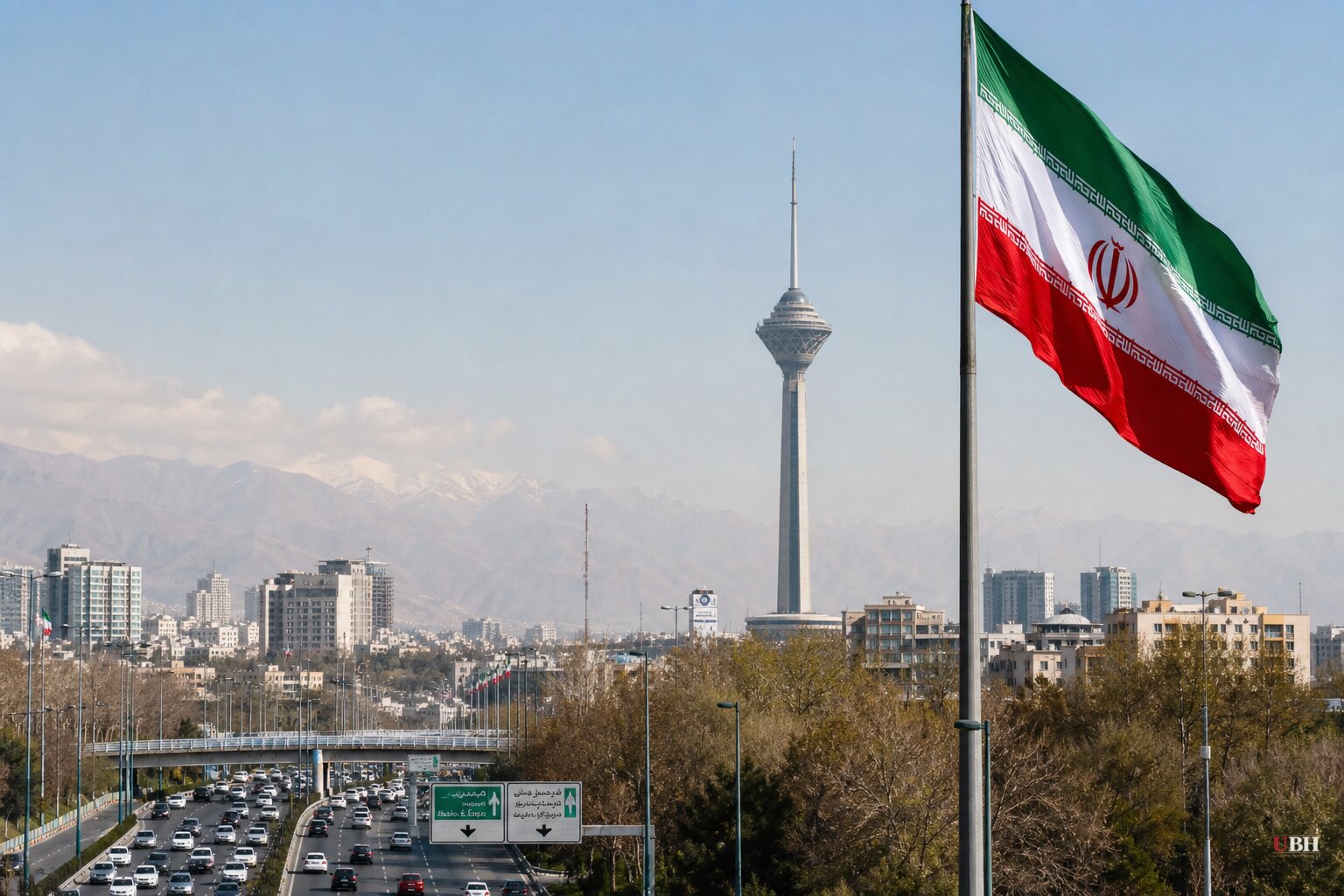
Qatar's Prime Minister and Foreign Minister, Sheikh Mohammed bin Abdulrahman Al Thani, is set to arrive in Tehran Thursday to meet senior Iranian officials as Doha makes another attempt to restart stalled negotiations between Iran and the United States, according to Al Jazeera and Reuters, as cited by Firstpost.
The trip comes with the conflict between the US and Iran approaching six months old. Fighting has largely paused since a June 17 ceasefire that Qatar helped broker, but no lasting agreement has followed, according to The National News.
Qatari Foreign Ministry spokesman Majed al-Ansari said the talks would cover regional security, reviving dialogue, and restoring what he called freedom of navigation through the Strait of Hormuz to the situation that existed before February 28, according to The National News. Iran's Foreign Ministry, through spokesman Esmaeil Baghaei, confirmed the visit and said discussions would focus on "the continuation of Qatar's mediation efforts and initiatives, as well as other regional developments," according to Mehr News.
The Hormuz problem
The Strait of Hormuz is the real obstacle. Oil flows through the waterway have fallen to roughly 5 million barrels per day, down from about 20 million before the war, according to Reuters figures cited by The National News and Firstpost.
Iran's Islamic Revolutionary Guard Corps said this week it will only reopen the strait on its own terms. "The Strait of Hormuz belongs to Iran and the country of Oman," the IRGC said in a statement reported by The National News, adding that no vessel can cross "without Iran's permission and management" and claiming it has reached a revenue-sharing arrangement with Oman.
That claim has not been independently confirmed by Oman. Iran and Oman have been negotiating a temporary safe corridor for commercial shipping, but the two sides had not finalized anything as of Wednesday, according to Firstpost.
The stakes for shipping are real. On Wednesday a tanker was struck in the strait by an unknown projectile, sparking a fire that was later put out, according to the United Kingdom Maritime Trade Operations, which said all crew were safe and there was no environmental impact. UKMTO said the incident is under investigation.
Qatar isn't the only mediator in the room
Qatar is the third country pushing shuttle diplomacy this week, not the only one. Pakistan's army chief, Asim Munir, and Interior Minister Mohsin Naqvi visited Tehran earlier this week, with Naqvi claiming "significant progress" toward reducing tensions and reopening Hormuz. Oman has been running its own separate track on the maritime corridor question.
Where Trump and Qatar disagree
There's a real gap between how the Trump administration and Qatar are characterizing the state of negotiations. President Donald Trump posted on Truth Social over the weekend that Iran had "very strongly" appealed for renewed talks and claimed a deal had been reached in principle covering "the Immediate, Complete, and Total OPENING OF THE HORMUZ STRAIT" and an end to Iran's nuclear program, according to Breitbart's report on his posts.
But Ansari told reporters Tuesday that no direct US-Iran talks are actually on the calendar. "Right now we dont have anything on the books when it comes to direct talks, but we are hopeful that if we can get a resumption of the talks anytime soon, wed be able to push forward towards a major deal," he said, according to Breitbart. He described mediation as having reached "very progressive stages" short of the two sides actually speaking to each other.
Trump told Al Jazeera Wednesday he is in "no hurry" to resume talks. "I have no time schedule; whatever it takes," he said, adding he believes both economic and military pressure on Iran are working.
Iran is pushing back hard on the sanctions front. Foreign Minister Abbas Araghchi wrote to the United Nations Wednesday calling the latest US sanctions "an act of state and economic terrorism," arguing they restrict Iranian civilians' access to food, medicine and energy, according to Al Jazeera.
Iran's armed forces spokesman, Abolfazl Shekarchi, also said this week that several Persian-language outlets broadcasting from outside Iran, including BBC Persian, Iran International, and Radio Farda, are now on Iran's military "target bank," accusing them of ties to the CIA and Mossad, according to remarks aired on Iranian state television and reported by Fox News via Iran International.
Human rights groups have also documented continued crackdowns inside Iran. The Human Rights Activists News Agency reported that two women detained during January protests, Neda Dadehjani and Setayesh Sarabi, were flogged 31 times each before being sent to prison to serve one-year sentences for "disrupting public peace and order," according to Fox News's sourcing of that report.
None of this settles the core dispute. Iran wants sanctions relief and access to frozen assets before it moves on Hormuz. Washington wants the strait open and Iran's nuclear program dismantled before it eases sanctions. Sheikh Mohammed's Thursday meetings in Tehran will test whether either side is actually willing to move first, or whether the war simply grinds into a seventh month.
Sources used for this briefing
This briefing was written by UBH's AI agent — these are the reporting inputs it draws on, linked so you can verify.


