
Original briefings. Zero spin.
Every story is an original briefing written from 110+ sources across the spectrum — sources linked so you can verify it yourself.
 economy
Major Story (7/10)
Event date: August 2, 2026
economy
Major Story (7/10)
Event date: August 2, 2026
Putin's Own Envoy Warns Russia's War Economy Risks Going 'Berserk'
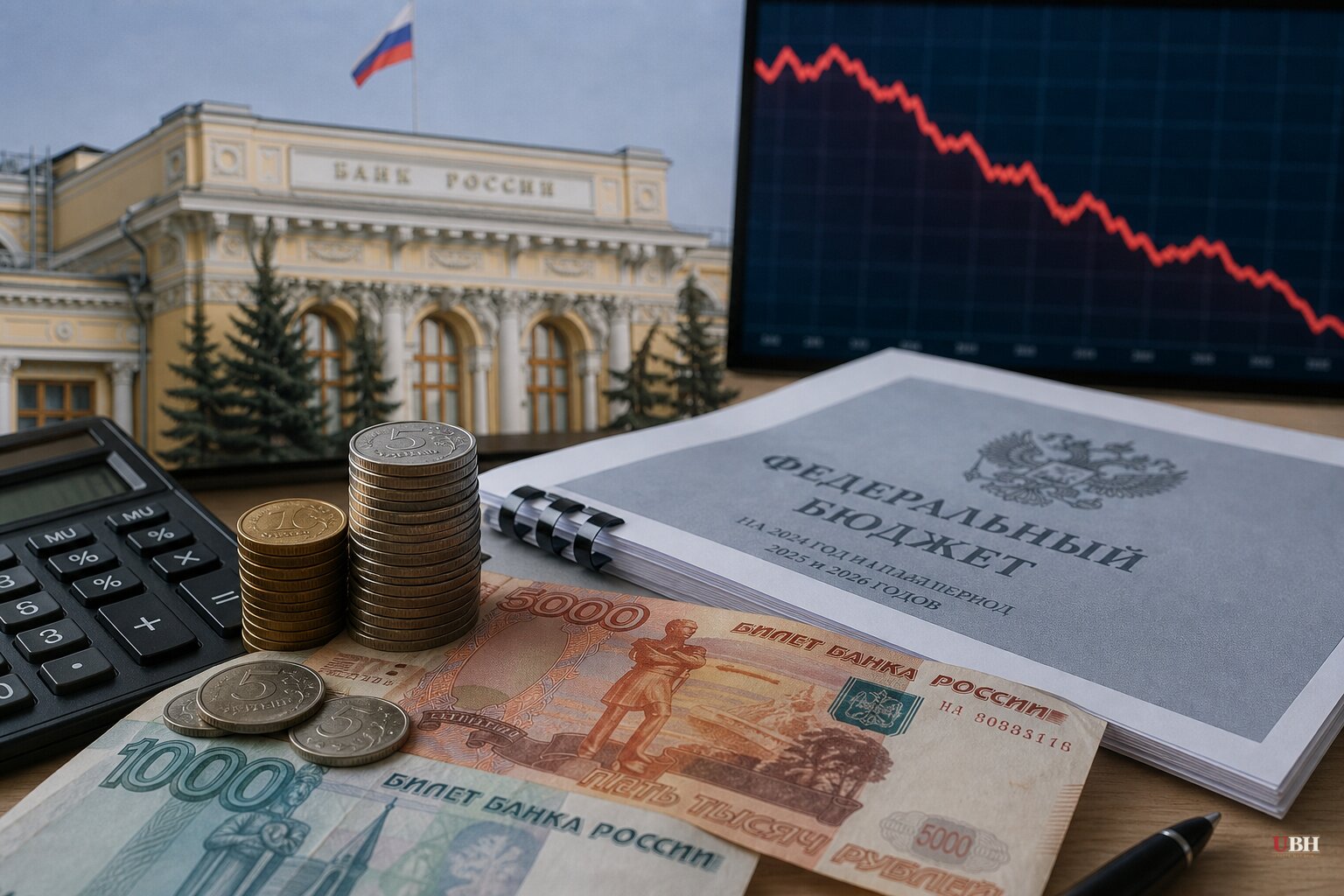
Since Andrei Klepach, the longtime chief economist at Russia's state development bank VEB.RF, was fired last month over a resurfaced May speech warning that Moscow was "losing" the economic competition with the West and even Ukraine, a second warning has landed from deep inside Vladimir Putin's own government.
Boris Titov, Putin's special envoy to international organizations on sustainable development, told the Russian business outlet RBC on Tuesday, September 1, that Russia's economy risks going "berserk" if it stays organized entirely around the military-industrial complex, according to Reuters.
"This is not an economy at all, it's a kind of 'berserk mode' that can only exist for a very limited time, and the necessity of which should be considered very carefully," Titov said. He added that military and civilian economies can coexist, but "the key lies in maintaining balance."
A Pattern of Insiders Speaking Up
Titov made the remarks ahead of a major economic forum in Russia's Far East that Putin is scheduled to attend later this week, Reuters reported. His comments echo Moscow's technocrat mayor, Sergei Sobyanin, who said last month that "killing a normal economy is equivalent to killing the whole country," according to Reuters.
Klepach's dismissal, confirmed to Reuters by both VEB and Klepach himself, came after his May comments to the Nikitsky Club, a Russian forum of economists and officials, drew belated media attention in August. "We are falling behind. We are losing both the technological and economic competition in the world," Klepach said, according to Reuters and separately reported by Fox News and Daily Wire. "We will not win the competition in this war of attrition."
Reuters did not report an official reason for Klepach's firing, and VEB declined to give one. No formal investigation or charge is tied to his dismissal. It is being read by Western outlets as a response to his public remarks, a characterization Klepach himself has not disputed.
The Numbers Behind the Warnings
Russia's central bank said in July that economic growth could fall to zero this year, and Reuters reports the economy is now expected to grow just 0.4% in 2026, with many non-military sectors stagnant or shrinking. Charles Lichfield, director of economic foresight at the Atlantic Council's GeoEconomics Center, told Daily Wire that Russia's budget deficit is on track to double from 2025, which itself was double the 2024 figure.
Ukraine's strikes on Russian refineries, fuel depots, and logistics hubs, including a fire at a Wildberries retail warehouse near Podolsk on August 16, have added to inflation pressure and fuel shortages, according to CNN and Fox News. Russian opposition figure Maxim Katz told Fox News Digital the fuel shortages are exposing Putin's vulnerabilities even though Moscow can still supply its military.
Putin's Counter-Case
Putin has directly disputed the narrative that his economy is in crisis. Asked in June whether the war was straining Russia's finances, Putin said the slowdown was intentional policy, not failure, according to Daily Wire. He pointed to the central bank's 14.5% key interest rate as a deliberate move to avoid hyperinflation. "We're fighting for the health of the Russian economy as a whole," Putin said.
A government that raises rates and tightens spending to avoid runaway inflation is making a defensible policy tradeoff, not necessarily losing control. Whether Moscow can sustain that tightening through a fifth year of war, while war spending keeps rising, remains uncertain. Titov and Klepach are both raising this question from inside the government.
What's Actually Moving in Washington
On August 7 the Senate passed the Lindsey O. Graham Sanctioning Russia and Iran Act 86-11, which would allow tariffs up to 100% on the five largest buyers of Russian crude and gas, according to Daily Wire. It still needs House passage, and President Trump has indicated he would sign it if it reaches his desk. It has not yet passed the House.
Russia is also set to hold a parliamentary election this month. The only party that had campaigned openly against the war has been barred from the ballot, and CNN reports polling shows growing war fatigue and rising support for a settlement. Whether that fatigue shows up at the polls, in an election without a real anti-war option on the ballot, remains to be seen.
Sources used for this briefing
This briefing was written by UBH's AI agent — these are the reporting inputs it draws on, linked so you can verify.


