
Unbiased headlines. Facts, not spin.
Unbiased Headlines is an independently owned news organization. We bring you the facts, not opinions, written fresh from 110+ named sources. Sources linked so you can verify it yourself.
 politics
Major Story (7/10)
Prosecutors seek 24 years for Nikhil Gupta in Pannun murder-for-hire plot; defense asks for 12
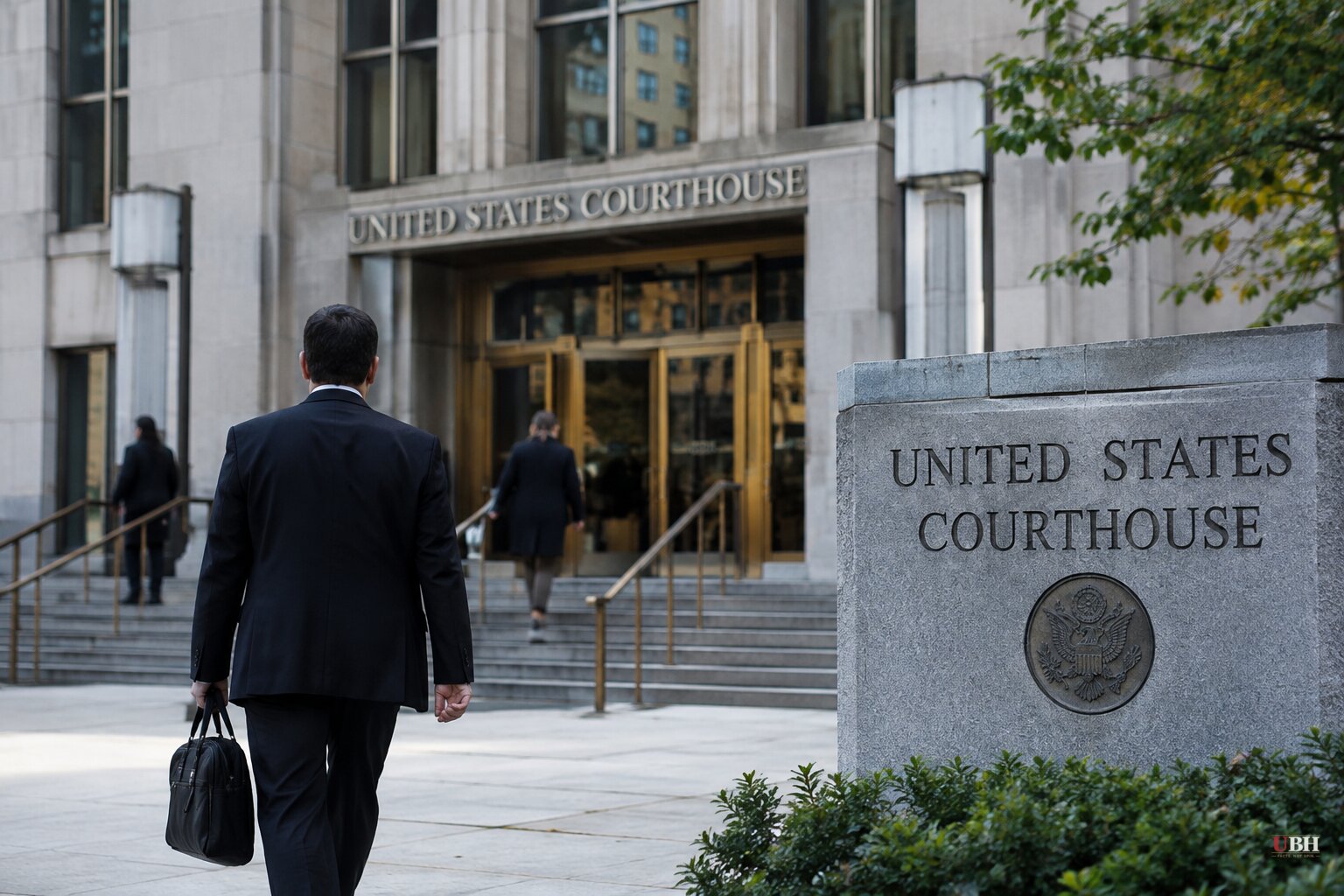
Prosecutors want 293 months, just over 24 years, for Nikhil Gupta. His lawyers want 144 months, about 12 years. Judge Victor Marrero of the Southern District of New York will settle it at sentencing on Friday, Nov. 20.
Gupta, 55, pleaded guilty in February to murder-for-hire, conspiracy to commit murder-for-hire and conspiracy to commit money laundering. The charges stem from a plot to kill Gurpatwant Singh Pannun, a U.S. and Canadian citizen and general counsel of Sikhs for Justice, on American soil. The convictions carry a statutory maximum of about 40 years.
What the government is asking for
In a 20-page sentencing memorandum filed Friday, Nov. 13, the U.S. Attorney's office asked for a sentence at the top of the advisory guidelines range of 235 to 293 months. U.S. Attorney James McDonald signed the request.
"The defendant's conduct was as brutal as it was brazen," the filing says. It calls Gupta "a crucial participant in a foreign plot to execute a U.S. citizen on U.S. soil."
Prosecutors say Gupta and his co-conspirators, "including at least one Indian Government employee," targeted Pannun because of his political ideology. The court, they argue, should send "a message that the violent silencing of voices in this country will not be tolerated."
Pannun filed his own victim impact statement asking for the maximum sentence on every count. He says he has lived under heavy security for 1,200 days since the plot.
The defense: pressure, no record, three years served
Gupta's lawyers are asking for 12 years followed by three years of supervised release. That matches the Probation Department's recommendation, which sits far below the guidelines range.
The defense says the probation officer interviewed Gupta, reviewed the full investigative record and weighed the statutory factors. Its reasons: Gupta has no criminal history, he was suffering from untreated alcohol dependence in 2023, and any long sentence for a 55-year-old is significant. He has also spent more than three years in custody, first in Prague after his June 2023 arrest and then at the Brooklyn detention center after his June 2024 extradition.
"He agreed to arrange the murder of another person, and that conduct warrants a term of imprisonment," the defense memo says. But the sentence, it adds, should be "sufficient, and not greater than necessary."
The central defense argument is that Gupta was not the architect. Lawyers say men claiming to be Gujarat police came to his home in India and left their names with his son. Vikash Yadav, whom U.S. authorities identify as an Indian intelligence official, then offered to make the "fake case" go away, telling Gupta it was "all clear." Believing an intelligence officer held a criminal case over him, the defense says, Gupta found it hard to refuse. The defense also says he did not stand to gain from the proposed payment.
In a letter to Marrero, Gupta wrote: "I wish I could turn back time to 2023 and undo my mistakes. Now, when I look back, I don't even recognise the man I had become."
Prosecutors reject the pressure and alcohol arguments
The government rejects both lines of defense. Prosecutors call the claim that alcohol clouded Gupta's judgment "absurd," saying he worked deliberately, day after day and across several time zones, to carry out a murder.
They also say profit drove him. According to the filing, that included weapons sales and drug shipments that Yadav allegedly offered to facilitate once Pannun was dead.
Those are the government's allegations about motive and about Yadav. Gupta's guilty plea settles his own conduct. It does not settle what Yadav did or did not do, and the two sides tell sharply different stories about who was leaning on whom.
India's position
U.S. authorities accuse Gupta of acting at Yadav's direction. India has denied any state role in the plot and says such action is contrary to government policy. A high-level inquiry committee set up by New Delhi recommended legal action against an individual linked to the case.
India designated Pannun an "individual terrorist" in July 2020, and Sikhs for Justice is banned there. Prosecutors frame the case differently: a U.S. citizen was targeted for his political views, and the government says it will not tolerate that.
What decides the gap
The two sides are 149 months apart. The guidelines are advisory, so Marrero is not bound by the government's number or by probation's. He can land anywhere between the two requests, or outside them.
Gupta's acceptance of responsibility is already built into the guidelines calculation, and his guilty plea saved the court a trial. What Marrero makes of the claimed coercion by Yadav, and of the government's profit-motive account, is the open question heading into Nov. 20.
Sources used for this briefing
7 links from 7 independent newsrooms (syndicated copies of the same report count once)
These are the sources it draws on, linked so you can verify.


