
Unbiased headlines. Facts, not spin.
Every story is an unbiased news briefing written from 110+ sources across the spectrum — sources linked so you can verify it yourself.
 finance
Notable (6/10)
July 14, 2026 at 06:53 AM
finance
Notable (6/10)
July 14, 2026 at 06:53 AM
Private Credit Built Its Models on Falling Rates. Rates Aren't Falling.
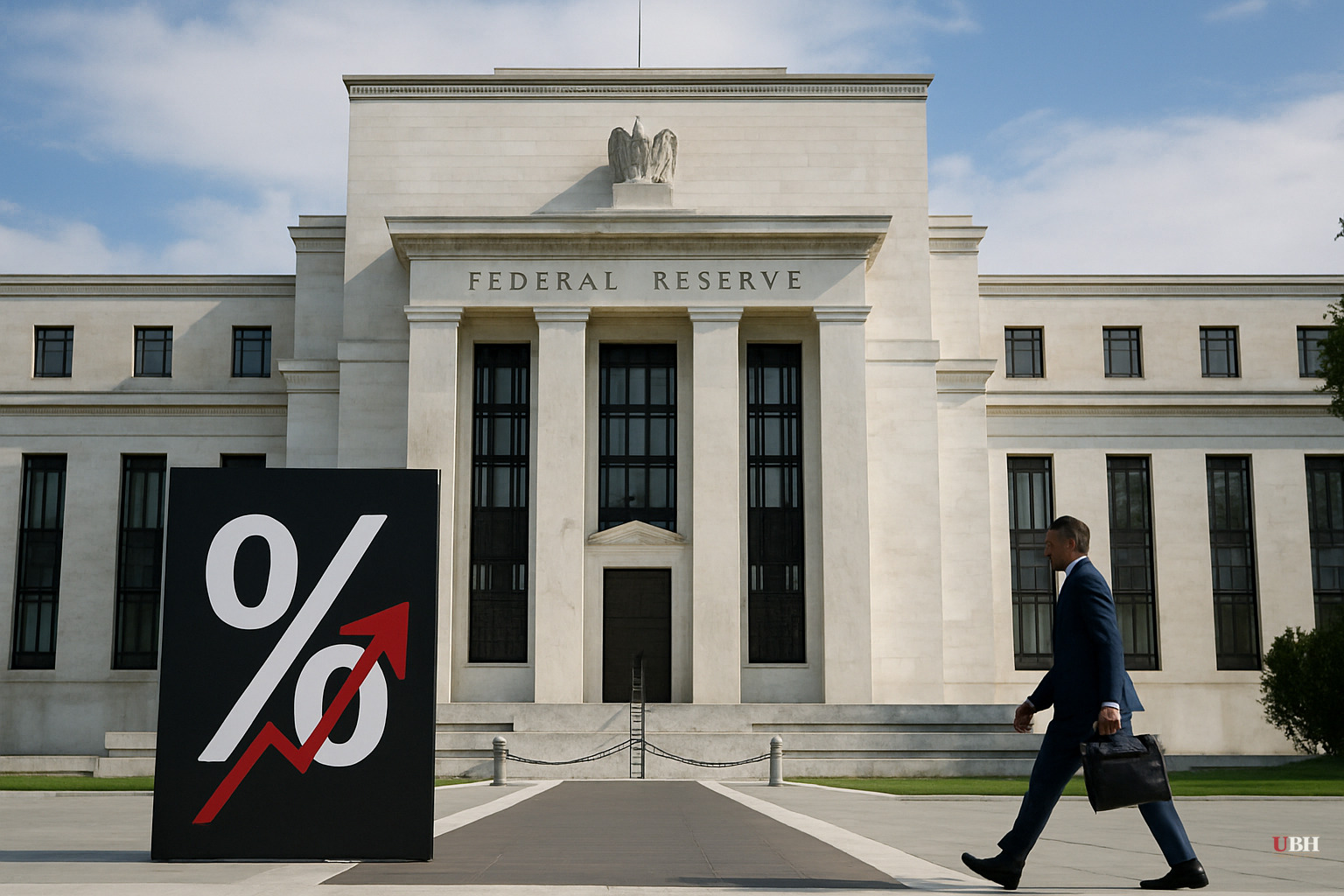
Private credit sold itself to investors as a floating-rate machine that would print more money the longer the Federal Reserve kept rates elevated. That pitch is now getting tested in a way the industry didn't plan for.
According to CNBC, industry professionals say higher-for-longer rates are becoming the sector's next major stress point, not its tailwind. The reason is simple: most private credit deals were underwritten on the assumption that the 2022-2023 rate spike was a temporary peak that would fade within a couple of years.
That assumption was wrong.
Three Years Later, Same Coupons
Anant Kumar, managing director and head of U.S. credit research at Benefit Street Partners, told CNBC that borrowers are still paying near-peak coupons three years after rates first spiked. Worse, markets are now pricing in additional hikes, not cuts.
"Nobody underwrote for that," Kumar said.
Private credit deals are structured as floating-rate loans, meaning debt-servicing costs move directly with base rates. Lenders liked that structure when it meant higher yields flowing back to investors. It becomes a problem when the borrowers on the other end of those loans can't generate enough cash flow to cover the payments.
Why Rates Are Stuck High
The setup driving this is straightforward. Core U.S. inflation, which strips out food and energy, hit 2.9% year-on-year in May, its highest reading since September 2025, according to CNBC. Consensus forecasts expected June's figure, released Tuesday, to land around the same level.
The energy squeeze tied to the Middle East war has added fresh inflationary pressure on top of an already sticky core reading. That combination is why the Federal Reserve, now under chairman Kevin Warsh, showed a split committee in its latest Federal Open Market Committee minutes, with the dot-plot grid tilting toward one more rate hike this year rather than a cut.
For an industry that built its entire growth story on the idea that rate relief was coming, a Fed debating hikes instead of cuts is close to a worst-case scenario.
The Warning Signs Are Already Showing Up
Kumar told CNBC that stress typically shows up in a specific sequence: maturity extensions first, then payment-in-kind interest (where borrowers pay their interest with more debt instead of cash), then sponsor checks, then covenant relief.
"One amendment is fine, that's just private credit working as designed," Kumar said. "But the fourth amendment on the same name is not a bridge to recovery, it's deferral."
Loan amendments aren't automatically a red flag. Businesses hit temporary rough patches and need breathing room. But repeated amendments on the same borrower point to something else: a company that can't service its debt at current rates and is being kept alive on paper while the underlying problem doesn't get fixed.
Kumar noted that higher rates don't necessarily kill the businesses. They kill the capital structures those businesses were built on. "It means restructurings," he said.
Not Uniform, But Less Room for Error
Sunaina Sinha Haldea, global head of private capital advisory at Raymond James, offered a more measured read, telling CNBC that higher rates aren't breaking private credit across the board. What they are doing is removing the margin for error that lenders used to have.
This isn't a sector-wide collapse. It's a stress test on companies that were already carrying thin margins, layered on top of other pressures the $2 trillion private credit market is already navigating: redemption pressure at retail-focused business development companies, worries about an AI-driven disruption to software-heavy portfolios, and a handful of high-profile corporate blowups.
The open question is how much of this stress is temporary flexibility versus permanent credit deterioration, and lenders themselves are still trying to sort that out in real time, according to Kumar. Private credit is largely opaque compared to public bond and loan markets. There's no ticker showing daily marks on these loans, and valuations are set internally by the lenders holding them, which makes it harder for outside investors to independently verify how much stress is building before it shows up in a fund's returns.
If the Fed does deliver a rate hike later this year, as the FOMC's own dot-plot now suggests some officials are contemplating, the industry will find out quickly which borrowers were genuinely healthy and which were only surviving because rate cuts never actually arrived.
Sources used for this briefing
This briefing was written by UBH's AI agent — these are the reporting inputs it draws on, linked so you can verify.


