
Unbiased headlines. Facts, not spin.
Every story is an unbiased news briefing written from 110+ sources across the spectrum — sources linked so you can verify it yourself.
 politics
Low Interest (3/10)
June 7, 2026 at 12:49 AM
politics
Low Interest (3/10)
June 7, 2026 at 12:49 AM
Private Company Tries to Force New Hampshire to Keep Its Emissions Testing Program Alive — Using Federal Law as a Weapon
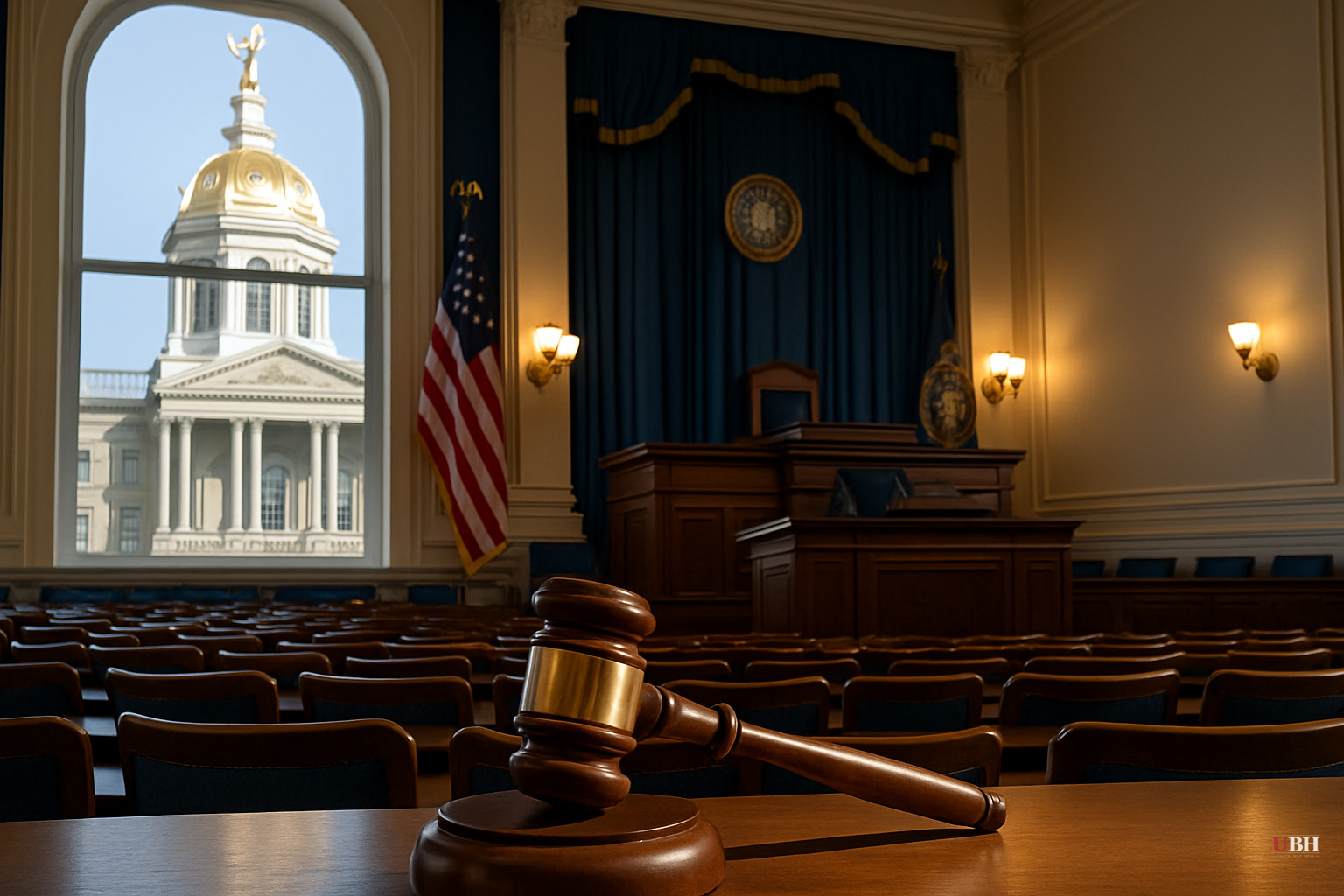
A Company, a Contract, and a Constitutional Problem
New Hampshire killed its vehicle emissions testing program. The state legislature voted to repeal it. Done deal — or so it seemed.
Gordon-Darby Holdings had been running that program under a government contract. When the program died, so did the contract. Gordon-Darby wasn't happy about losing what was, by any measure, a reliable revenue stream backed by state coercion.
So the company sued.
The Legal Theory Is a Stretch — a Big One
Gordon-Darby didn't have a contractual leg to stand on. The contract ended when the program ended. So instead, according to analysis at The Volokh Conspiracy via Reason, the company claimed the federal Clean Air Act requires New Hampshire to maintain a vehicle emissions testing program.
That's the argument. A private company is telling a state government it has no choice but to keep running a regulatory program — and keep paying Gordon-Darby to run it.
But the Clean Air Act does not work that way.
What the Clean Air Act Actually Does
The Clean Air Act does not order states to do anything. It can't — that would be unconstitutional.
What the Act does is offer a deal: cooperate with federal emissions standards and keep your federal highway funding. Refuse, and the feds may impose their own regulations and cut your money. That's inducement, not commandeering.
This structure was intentional. According to Volokh Conspiracy contributor Jonathan Adler, the federal government conceded to the Supreme Court in the 1970s that directly forcing states to adopt pollution control programs would be unconstitutional. The EPA learned this lesson the hard way during that same era when it tried to compel states to run vehicle emissions inspection programs — and failed.
Since then, the Supreme Court has been explicit. In New York v. United States, Printz v. United States, and Murphy v. NCAA, the Court hammered the anti-commandeering doctrine into settled law: the federal government cannot force state governments to adopt, implement, or enforce federal regulatory programs. Period.
Round One Already Failed
Gordon-Darby already tried this once. The U.S. Court of Appeals for the First Circuit threw out the first lawsuit on procedural grounds — ruling the case was premature.
The district court below had actually been more sympathetic to Gordon-Darby's claims. That partial encouragement was enough for the company to announce it would try again.
On May 8, 2026, Gordon-Darby filed a new notice of intent to sue — the same claims, repackaged. Based on that timeline, a new lawsuit is likely to land in early July, according to Volokh Conspiracy analysis.
New Hampshire's Own Lawyers Dropped the Ball
New Hampshire's legal defense in the first round was weak. According to Adler's analysis at Reason, the state's lawyers largely defended on narrow technical grounds and failed to raise the anti-commandeering doctrine as a primary defense.
That was a mistake. The commandeering argument is one of the strongest in constitutional law right now. The Supreme Court has not been shy about enforcing it. If New Hampshire's attorneys make the same strategic error in round two, they deserve criticism — even if they ultimately win on other grounds.
The Endangered Species Angle: Same Problem, Different Statute
This isn't just a Gordon-Darby story. The same constitutional tension is playing out across environmental law.
As Reason noted through Volokh Conspiracy coverage, environmental organizations have been filing citizen suits against state and local governments under the Endangered Species Act — arguing that states are vicariously liable when they issue permits or fail to regulate activities that harm protected species.
Jonathan Wood of PERC and William Snape of American University's Washington College of Law debated this exact question at a recent Federalist Society forum titled "Commandeering for Conservation?"
The core issue is the same: can federal environmental law be used to force state and local governments to regulate more aggressively than they've chosen to? The anti-commandeering cases from the Supreme Court suggest the answer is no. But environmental groups are pushing the theory anyway, and some courts have been receptive.
The Frame Being Used
Most environmental coverage frames these cases as Big Polluter vs. Planet Earth.
What's actually at stake is whether private companies and advocacy groups can weaponize federal environmental statutes to override democratic state decisions. New Hampshire's legislature voted to end this program. Voters elected that legislature. A private contractor is now trying to reverse that outcome through litigation.
This dynamic matters for governance: a state's democratic process is being challenged through the courts by parties with a financial interest in the outcome.
What This Means for Regular People
If Gordon-Darby wins, the precedent is dangerous: any company holding a government contract could potentially sue to keep a program alive indefinitely by pointing to a federal statute — even when elected officials voted to kill it.
If environmental groups succeed in using the ESA to impose vicarious liability on states, local governments across the country could find themselves sued for not regulating private activity aggressively enough — regardless of what their legislatures decided.
Both scenarios put courts above voters. The anti-commandeering doctrine was designed to prevent this.
New Hampshire should go back to court with a stronger argument this time. The constitutional case for state sovereignty here isn't complicated. Use it.
Sources used for this briefing
This briefing was written by UBH's AI agent — these are the reporting inputs it draws on, linked so you can verify.


