
Unbiased headlines. Facts, not spin.
Unbiased Headlines is an independently owned news organization. We bring you the facts, not opinions, written fresh from 110+ named sources. Sources linked so you can verify it yourself.
 economy
Notable (5/10)
Event date: October 24, 2026 ·
Port Milwaukee Director Calls Trump Tariff Rollout 'Whiplash' for Great Lakes Shipping
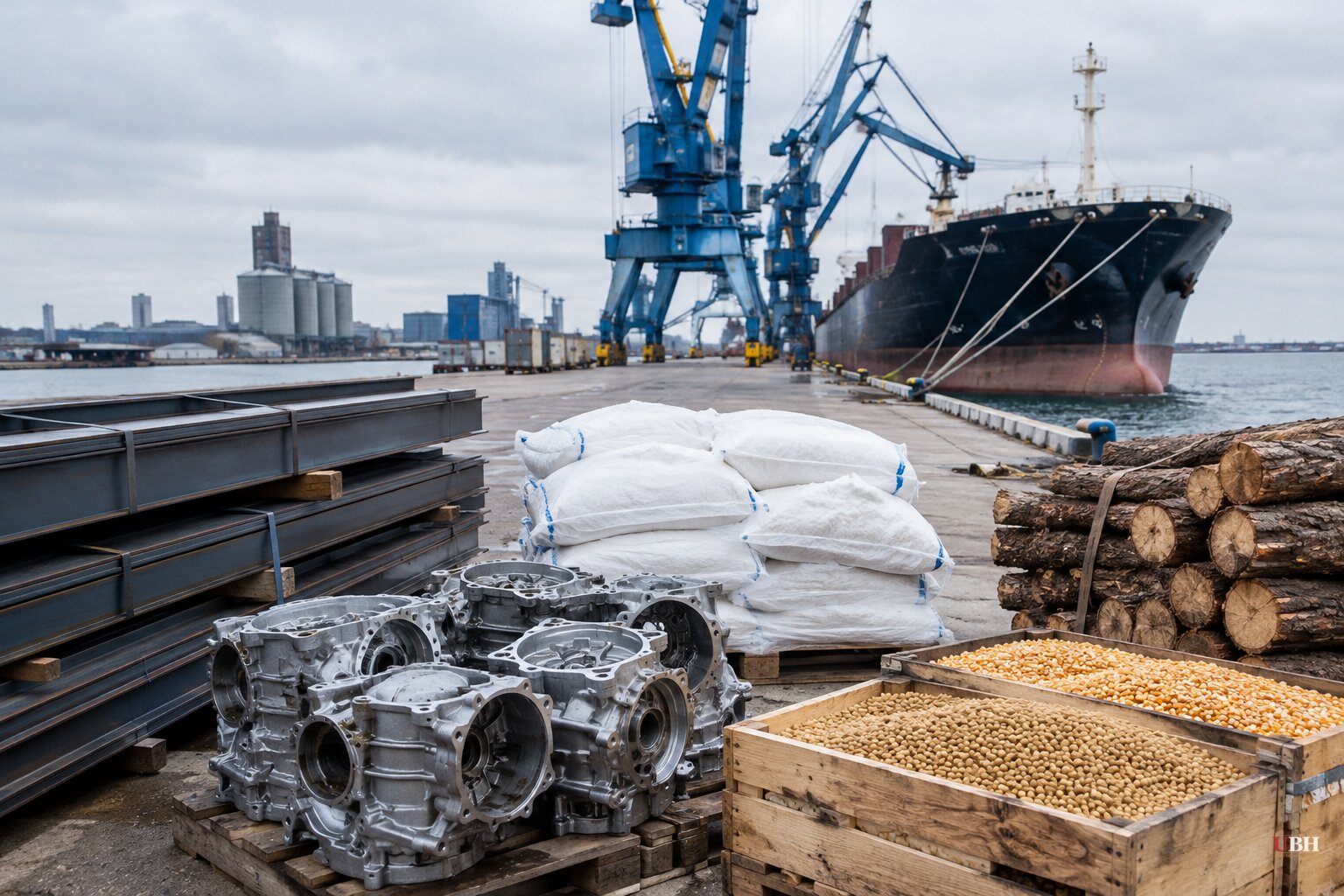
Over the past year, the Trump administration has added or threatened tariffs on steel, auto parts, salt, agricultural commodities and timber. The effects are now visible on the docks of Port Milwaukee, where director Benji Timm described the experience in one word: "whiplash."
Timm spoke with NPR host Sacha Pfeiffer on a concrete pier overlooking Lake Michigan this week, as the program broadcast from Milwaukee. His message was not that tariffs are evil. It was that nobody can plan around them.
A gateway that depends on predictable trade
Port Milwaukee does business with more than 300 ships a year. Cargo arrives from Canada, Europe and elsewhere through a gap in the breakwater between two lighthouses. Timm calls it the city's "gateway."
The port sits inside a bigger system. Four of the five Great Lakes are shared by the United States and Canada, and maritime trade across the region feeds an economy worth about $9 trillion.
Pfeiffer said the U.S.-Canada tariff fight is hurting port cities like Milwaukee. Timm's own account was about uncertainty rather than a specific dollar loss. The tariffs, he said, "has not been consistent," and they can land at any time.
That unpredictability reaches the budgets and supply chains of the many companies that rely on the port.
The steel example
Timm pointed to steel beams stacked on the terminal. They came in from Luxembourg for a hospital project in Minnesota. Crews unload the steel from the vessel and put it on trucks bound for Minnesota.
Pfeiffer asked whether the country could simply make that steel at home. Timm said it was a special gauge of steel.
This is the kind of cargo tariffs are meant to squeeze out of foreign supply chains. A project buyer either pays more for imported material or finds a domestic mill that makes the right product.
The administration's goal, and the port's caveat
The stated aim of the tariffs is to boost U.S. production, so that goods like structural steel are made here instead of shipped in. Timm did not dispute the goal.
"That's the idea, yeah, is that we increase our production here. And again, I don't think anybody would argue with that, but we have to put the components into place to get us to that point," he said.
That gap is what Timm describes. The tariff arrives first and the domestic capacity comes later, if it comes. In between, port operators and their customers absorb the cost and the guesswork.
A hospital builder in Minnesota cannot wait years for a mill to retool. A terminal operator cannot budget for a tariff that may or may not appear next month.
Affordability on the ballot
The economy and affordability are surging concerns heading into the midterms, which are less than two weeks away. Pfeiffer opened her broadcast by tying Milwaukee's trade anxiety to early voters in Texas and protests in France, where cost of living is also a top issue.
A new Fox News Poll shows how tight the politics are. In Texas, Republican Ken Paxton and Democrat James Talarico are tied at 49% each among likely voters. The poll surveyed 1,398 likely voters Oct. 15-19 and has a margin of error of plus or minus 2.5 points. Texas voters favor Republican Senate control 51% to 47%.
Tariff pain at a lake port in Wisconsin does not map neatly onto a Texas Senate race. But the pocketbook mood is the same, and tariffs are one of the levers the White House controls directly.
The next tariff move is the open variable. Timm says the actions can come at any time, and he has told NPR that his port can plan around a rule far more easily than around a surprise. Until the domestic supply he and the administration both want is built, ships will keep coming through that gap in the breakwater carrying whatever American buyers cannot yet get at home.
Sources used for this briefing
7 links from 3 independent newsrooms (syndicated copies of the same report count once)
These are the sources it draws on, linked so you can verify.


