
Unbiased headlines. Facts, not spin.
Unbiased Headlines is an independently owned news organization. We bring you the facts, not opinions, written fresh from 110+ named sources. Sources linked so you can verify it yourself.
 economy
Major Story (7/10)
Event date: October 20, 2026 ·
Pending Home Sales Hit Record Low, Builder Sentiment Falls to 29 as Mortgage Rates Pass 7%
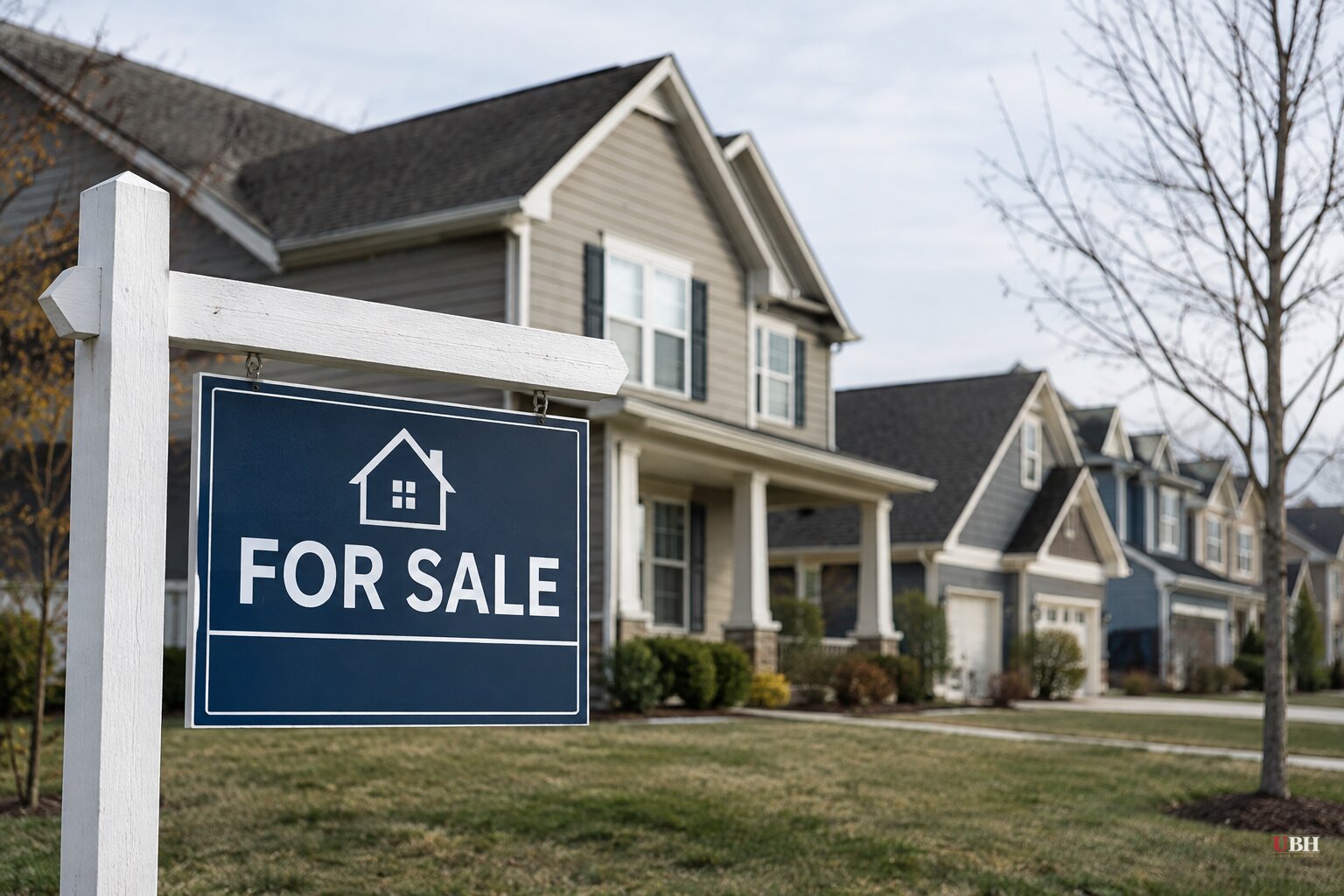
Since existing-home sales dropped about a third below their pre-2020 level and stayed there, the October data show the freeze getting worse, not better.
Contract signings hit the lowest level on record
Pending home sales fell 7.3% in September from August and 11.3% from a year earlier, the National Association of Realtors reported. That is a record low in a data series that begins in 2010.
The volume is nearly 40% below September 2019. It is 43% below September 2021 and 48% below 2020, according to Wolf Street's analysis of the NAR figures. It is even 17% below September 2010, the first September in the series, when the country was in the middle of the housing bust.
The NAR said buyers and sellers "may simply be holding back until mortgage rates move favorably."
Pending sales count signed contracts that have not yet closed, so they preview future closings. Wolf Street notes that contract cancellation rates have been running high.
Rates moved the wrong way during the month. Mortgage News Daily data show the average 30-year fixed rate started September near 6.8% and reached 7.6% by month's end. Freddie Mac's weekly average stood at 7.40% in its latest reading.
Builders are the gloomiest since 2012
The National Association of Home Builders/Wells Fargo Housing Market Index dropped three points to 29 in October. That is the lowest builder sentiment since June 2012. Any reading under 50 means more builders see conditions as poor than good.
"Housing remains squeezed by supply-side constraints and significant affordability challenges," NAHB chief economist Robert Dietz said in a statement.
Census Bureau data for September point the same way. Housing starts fell 4.56% to an annualized 859,000, the lowest since September 2025. Building permits, a gauge of future construction, fell 4%. Both came in weaker than analysts expected.
The country is short of homes, and builders are pulling back anyway.
Why owners are not selling
Goldman Sachs economist Ronnie Walker laid out the lock-in math in a client note on Monday, Oct. 19. More than 95% of mortgage borrowers, about 60% of all homeowners, hold rates below current market levels. Of those, 65% are more than 2 percentage points under market.
Selling means giving up that loan and taking a new one at a much higher rate. Walker called it "a significant financial cost to moving."
Rates have climbed nearly 1.5 percentage points since their February low, the note says. Adjustable-rate mortgages are growing but still make up only about 8% of the market.
Goldman forecasts 3.9 million existing-home sales in 2027. That is slightly below 2026 and about 26% below 2019. "In 2027, we expect the headwind from affordability to increasingly dominate, weighing further on activity," Walker wrote.
Goldman does list some supports for demand, including demographics and expectations that incomes will outpace inflation. Walker also said purchase-intention surveys have dropped sharply in recent months, and reduced immigration will continue to weigh on household formation.
Housing-linked stocks reflect the mood. As of Goldman's note, the SPDR S&P Homebuilders ETF (XHB) was down 9% this year and the iShares Mortgage Real Estate ETF (REM) was down 24%.
Foreclosures are rising from a low base
ATTOM's August report counted 40,277 properties with foreclosure filings, up 13% from a year earlier. Foreclosure starts rose 7%. Completed bank repossessions jumped 42% to 5,794. South Carolina, Nevada, Florida, Texas and Maryland posted the highest rates.
Those are increases, but ATTOM's numbers do not show a flood of distressed sellers. Supply is still tight by historical standards, Goldman says, even though it has improved.
The dispute over what fixes it
The forecasters mostly agree that nothing changes soon. Sara Godfrey of Oxford Economics said the latest builder reading fits her firm's view that housing stays stagnant through all of next year. Goldman expects demand to stay "tepid." Oliver Allen of Pantheon Macroeconomics forecast a "meaningful slowdown" in new-home sales.
The disagreement is over what should happen next. Wolf Richter of Wolf Street argues the problem is price, not just rates. He says the 6% to 8% range that has held since September 2022 is normal by historical standards. In his view, buyers and sellers are waiting for a return of the ultra-low rates that followed the Fed's post-2008 policies, and that wait is what has cut sales.
Richter points to prices already falling in some markets: Austin down 26%, Oakland 23%, New Orleans 20%, Cape Coral-Fort Myers 18%, Birmingham 17% and McKinney, Texas 14%. His case is that "realistic pricing would repair this broken housing market." He also says September inventory was the highest for that month in 11 years.
The Prepp Group analysis by Milan Adams frames the freeze differently. It describes a standoff in which neither owners nor buyers face pressure to move first. It says the nation is being sorted by purchase date, with people who bought before 2022 insulated and everyone else paying in rent and delayed moves. It also lists non-interest costs, including insurance, property taxes and condo assessments, as a separate force making ownership harder to hold.
The Economic Collapse Blog says the market unfreezes only if mortgage rates or home prices fall "way down." Goldman's baseline forecast shows neither happening on a timeline that revives 2027 sales.
What comes next
Pantheon's Allen wrote on Monday that builder confidence "is likely to fall much further over the next month or two, given the recent trends in rates." With the index already at its lowest level in more than 14 years, the next NAHB reading will show whether that happens. It will also show whether the September rate spike has begun to ease.
Sources used for this briefing
7 links from 7 independent newsrooms (syndicated copies of the same report count once)
These are the sources it draws on, linked so you can verify.


