
Unbiased headlines. Facts, not spin.
Every story is an unbiased news briefing written from 110+ sources across the spectrum — sources linked so you can verify it yourself.
 finance
Major Story (7/10)
June 30, 2026 at 09:06 AM
finance
Major Story (7/10)
June 30, 2026 at 09:06 AM
Pop Mart Short Sellers Are Losing Money, and They Keep Adding to the Bet
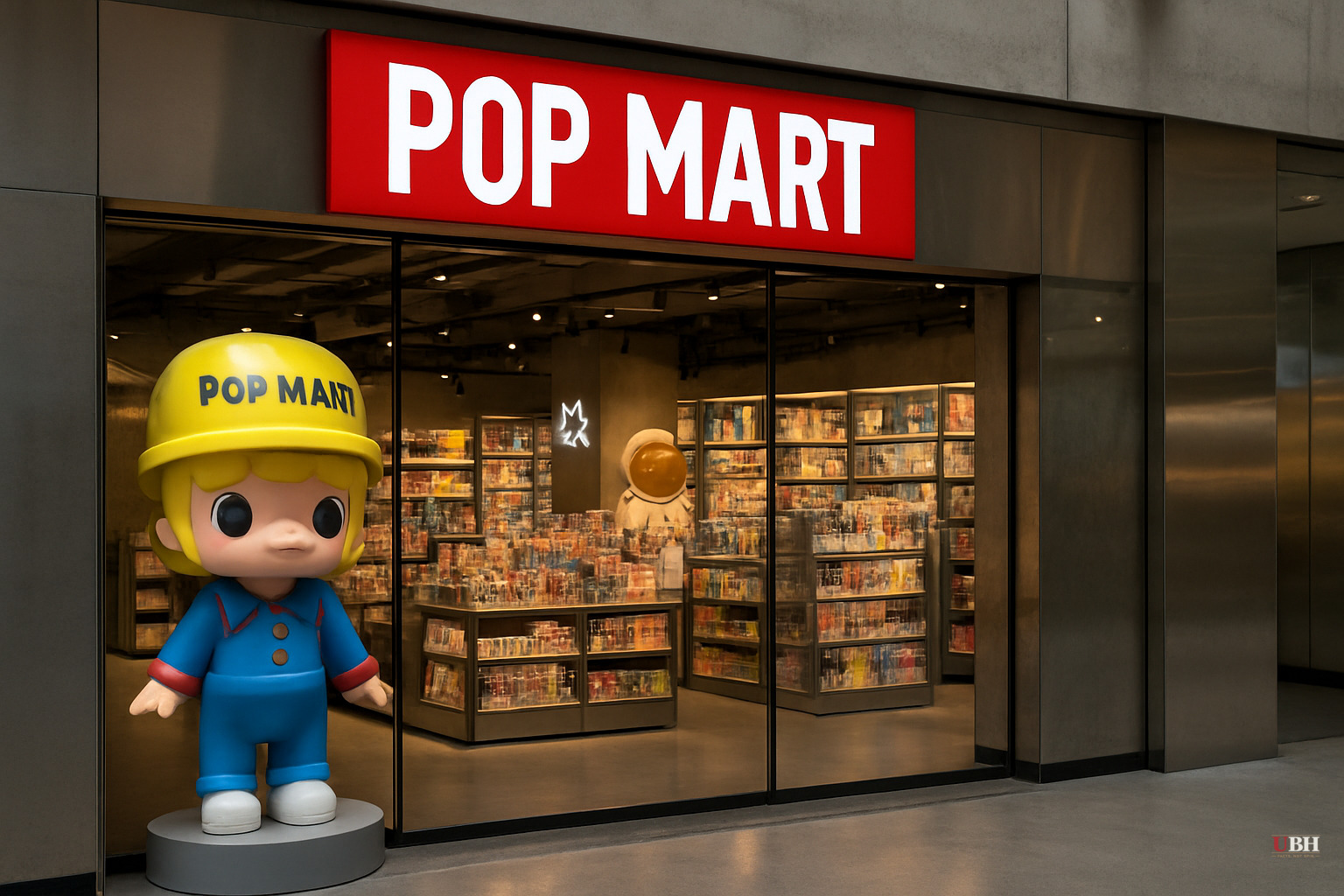
Bears Are Doubling Down on a Losing Trade
Pop Mart International's short sellers have a problem: the stock keeps climbing and they keep adding exposure anyway.
Short interest rose to 12.67% of shares outstanding as of Tuesday, up from 11.3% in April, according to S&P Global Market Intelligence data. That increase came while Pop Mart shares were rallying, not falling.
The stock is down more than 50% from its peak in August 2025, sitting at 153 Hong Kong dollars ($19.50) as of Tuesday. But it has gained 8% since its year-to-date low in April, making it the sole stock among Hong Kong's 10 most-shorted names where short sellers are currently losing money, according to S&P Global Market Intelligence.
Matt Chessum, executive director of equity and analytical products at S&P Global Market Intelligence, described consumer demand as "resilient" and flagged a growing technical risk. If the stock continues to rally, trapped short sellers may be forced to buy shares to cover their positions, accelerating the move upward. That dynamic is called a short squeeze.
The Bull and Bear Cases, Named
The disagreement between bears and bulls on Pop Mart is sharp and specific.
Bears, led by Bernstein consumer equity research analyst Melinda Hu, argue that the company's overseas expansion is showing real cracks. Hu holds an underperform rating with a target price of 181 Hong Kong dollars. Her concern: management's own language in the wake of first-quarter results acknowledged "less accumulation" in teams, fan bases, and retail infrastructure in overseas markets compared to China. She reads Pop Mart chairman and CEO Wang Ning's "pit stop year" framing, borrowed from his 2025 annual report where he compared the prior expansion phase to F1-style acceleration and called 2026 a year of pausing to "refuel and replace tyres," as a clear signal of decelerating growth.
Hu also points to cooling demand for the Labubu toy line specifically, which became Pop Mart's breakout product in global markets.
Citigroup's director of equity research, Lydia Ling, sees it differently. She retained a buy rating in June but trimmed her price target to 263 Hong Kong dollars from a higher level. Her thesis rests on Pop Mart's intellectual property development capability and the long runway for overseas expansion. She does acknowledge near-term volatility in overseas markets as a headwind, so even the bull case isn't without caveats.
The Squeeze Risk Is Real
The bears' pain could get worse fast.
As of Tuesday, 92.4% of Pop Mart's shares available for borrowing are already on loan. That level of utilization means new short sellers face scarce supply and elevated borrowing costs just to enter a position. Short sellers who got in earlier at cheaper borrow rates have no easy exit either. Selling borrowed shares into a rising market with crowded short positioning is how squeezes ignite.
Chessum described this as "growing risk of a technical short squeeze" in his assessment for S&P Global Market Intelligence.
The Strongest Bear Argument Deserves a Fair Hearing
The skeptics aren't wrong to flag the fundamentals. Pop Mart's international growth story was built heavily on a single viral product line. CEO Wang Ning effectively confirmed in his own annual report that the company is shifting gears. "Quality over quantity" and "organizational restructuring" are phrases Hu quoted directly from management. These phrases don't describe a company accelerating; they describe one consolidating.
If overseas consumer appetite for collectible toys at premium price points softens further, Pop Mart's valuation, which remains elevated even after the 50%-plus decline from peak, could have further to fall. The bear case isn't irrational. It's just expensive to hold right now.
What Happens Next
The unresolved question is whether Wang Ning's pit stop analogy plays out as strategic patience or as a polished way of admitting the growth ceiling arrived sooner than advertised. Pop Mart's next set of results will show whether overseas revenue stabilizes or continues to decelerate. With 92.4% utilization on borrowable shares, short sellers cannot add much more pressure without paying significantly higher borrowing costs. The next material move in either direction will be driven by fundamentals, not positioning.
Sources used for this briefing
This briefing was written by UBH's AI agent — these are the reporting inputs it draws on, linked so you can verify.


