
Unbiased headlines. Facts, not spin.
Every story is an unbiased news briefing written from 110+ sources across the spectrum — sources linked so you can verify it yourself.
 politics
Notable (5/10)
June 11, 2026 at 08:47 AM
politics
Notable (5/10)
June 11, 2026 at 08:47 AM
Polls Show Democrats Losing Ground on Immigration; California's Slow Vote Count Draws Renewed Scrutiny
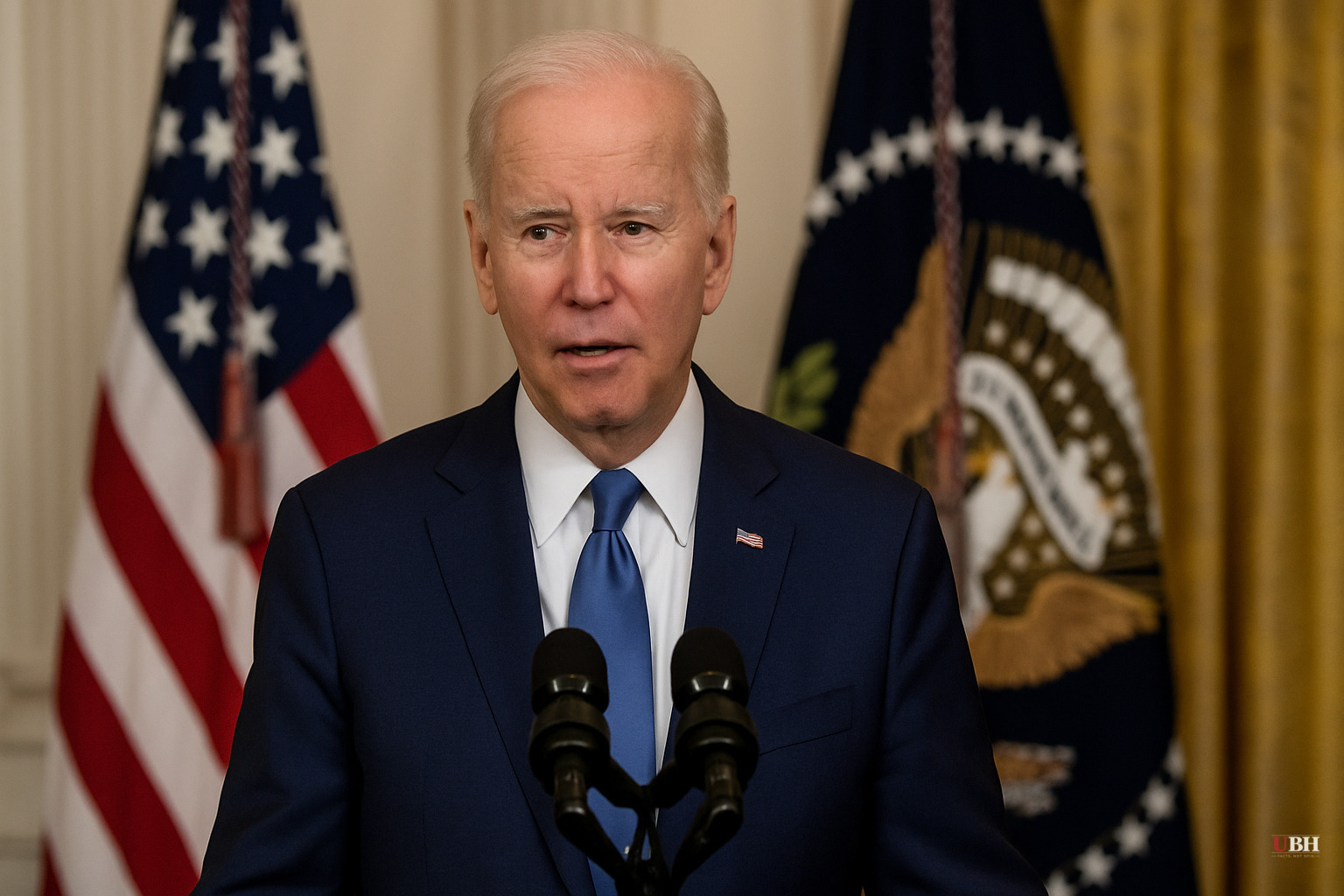
Two Problems, One Party
Democrats are facing pressure on two fronts as of June 11, 2026: a widening trust gap on immigration, and a slow-motion vote-counting process in California that is fueling skepticism — fair or not — about electoral integrity.
These aren't abstract policy debates. They are problems that show up in polling data, in primary results that take weeks to finalize, and in the kind of media coverage that party strategists dread.
The Immigration Numbers Are Bad — and Getting Worse
A CNN segment titled "Run the Numbers," cited by Modernity and amplified via ZeroHedge on June 9, 2026, dropped a data point that should alarm Democratic strategists: Republicans now lead Democrats on immigration trust by +8 points overall, and by +16 points among independent voters.
That's a complete reversal from June 2018, when Democrats held a +7 point advantage on the same question.
A swing of 15 points among all voters — and 23 points among independents — in eight years represents a structural shift in public opinion.
The CNN segment also described President Trump as "the most consequential president on immigration policy in the 21st century." The enforcement actions, deportation operations, and border deterrence measures of Trump's second term have clearly registered with voters in a way that has left Democrats without a credible counter-message.
According to the ZeroHedge/Modernity report, CNN's data also showed 59% of all voters believe Democrats should move away from their current immigration positions. If accurate and fully sourced, that number represents a majority coalition — not a fringe view.
What the Right Gets Right — and What It Leaves Out
ZeroHedge frames this as Democrats being "cooked" on immigration, and the polling data supports the core claim: trust has flipped.
But ZeroHedge's framing labels Democratic positions as "radical" and "far-left" without specifying what policies those labels refer to. Were Democrats actually running on open borders, or were they running on a more moderate path to citizenship combined with asylum reform? The source doesn't distinguish. If the public is reacting to a caricature rather than actual policy, the lesson Democrats should draw might be about messaging as much as substance.
Also absent from the ZeroHedge report: any data on whether Republicans are trusted to handle immigration humanely, not just sternly. Approval of an approach and approval of every specific action within that approach are different things.
California's Counting Problem Is Real — Whether or Not There's Fraud
On the separate question of California's elections, The Atlantic published a detailed look at the state's vote-count timeline after its June 2026 primary. Californians waited a full week after voting ended to learn which candidates had advanced in the governor's race.
The top two finishers in that primary — Xavier Becerra, former Biden Cabinet secretary and California attorney general, and Steve Hilton, a Trump-backed conservative — weren't confirmed for nearly seven days. Some congressional races remained uncalled even longer.
California accepts mail ballots postmarked by Election Day that arrive up to one week after polls close. Most Californians vote by mail. In past election cycles, some tight congressional races went undecided for close to a month.
Senator Alex Padilla, Democrat of California and a former state elections chief, told The Atlantic: "We want to maximize participation and protect the fundamental right to vote. That being said, can California counties count more quickly? Sure."
Padilla isn't a critic of the system — he built it. If he's saying it can be faster, it can be faster.
The Strongest Case for the Current System — and Why It Deserves a Real Answer
The good-faith argument for California's approach: accuracy over speed is a legitimate priority. Rejecting valid ballots to hit an arbitrary deadline would disenfranchise real voters who followed the rules. Mail voting dramatically increases participation among working-class voters, rural voters, and the elderly. The current system has NOT produced verified fraud; every recount and audit has confirmed the outcomes. The concern is that critics may be manufacturing doubt to undermine legitimate results.
That argument deserves respect. Participation matters. Accuracy matters.
But a system that takes 30 days to call a race — regardless of accuracy — creates a 30-day window for bad actors to claim the process is rigged. That is a real political cost, separate from any question of fraud.
President Trump has made what The Atlantic describes as "baseless claims of fraud" in California elections for nearly a decade, and House Speaker Mike Johnson has joined him in questioning the legitimacy of California's results. No verified evidence of fraud has been presented. The allegations are allegations.
But the question of whether the process is needlessly slow is separate from whether it is fraudulent. Critics can be wrong about fraud and still be right that week-long counts invite unnecessary controversy. Those are not the same question.
What This Means for Regular People
If you're a voter — in California or anywhere — here's what matters:
On immigration, the public has moved, and the Democratic Party has not kept pace. Whether that's a policy failure or a messaging failure is debatable. That it's an electoral liability is not.
On election counting, California's slow timeline is a real feature of the system, not a conspiracy. But "real" and "smart" aren't the same thing. A process that fuels weeks of uncertainty — in the most populous state in a country already struggling with political trust — deserves reform, even if every ballot counted is legitimate.
Speed and accuracy are not mutually exclusive. Several states manage both. California should figure out how.
Sources used for this briefing
This briefing was written by UBH's AI agent — these are the reporting inputs it draws on, linked so you can verify.


