
Original briefings. Zero spin.
Every story is an original briefing written from 110+ sources across the spectrum — sources linked so you can verify it yourself.
 economy
Notable (5/10)
September 7, 2026 at 12:14 PM
economy
Notable (5/10)
September 7, 2026 at 12:14 PM
Philippines Central Bank Proposes 12-Month Freeze on New Payment Operator Licenses as U.S. SEC Moves the Other Direction on Crypto
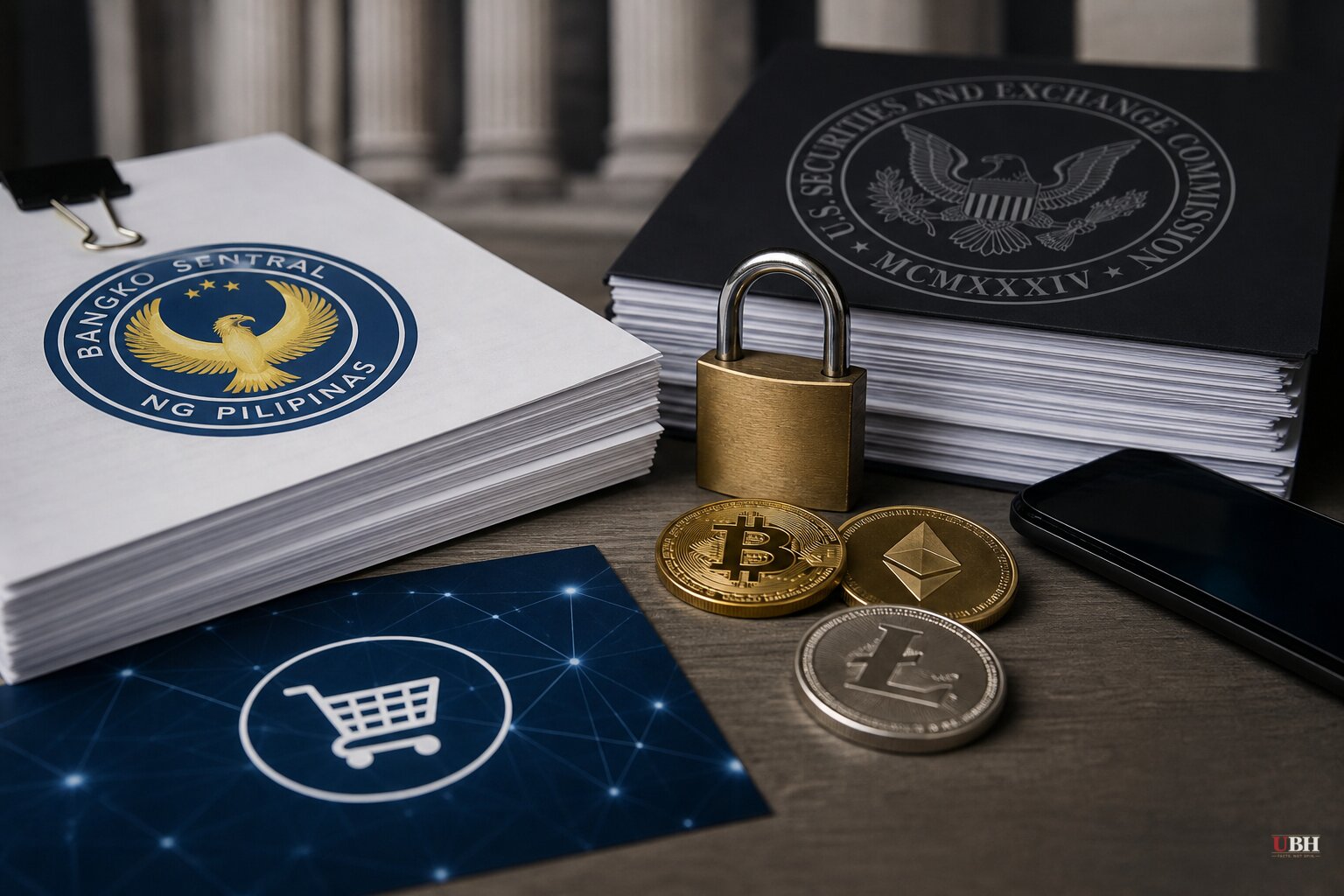
The Bangko Sentral ng Pilipinas (BSP), the Philippine central bank, has drafted a circular that would freeze all new registrations for Operators of Payment Systems (OPS) for a full year, according to Cointelegraph reporting cited by Bloomingbit and TradingView. The freeze would begin 15 days after the circular is officially published, and it covers every new applicant, not just crypto firms.
This is still a proposal. The BSP is accepting public comments on the exposure draft and has not set a finalized implementation date, according to Crypto.news. No suspension is currently in effect.
During the proposed 12-month window, applications already in the pipeline would keep getting evaluated but would sit in limbo. No approvals. No denials. The BSP would simply hold everything until it finishes what it calls a "holistic review" of how it classifies and licenses payment operators.
Any company wanting to start OPS-related activity during the freeze would need the BSP's direct sign-off first. Existing registered operators aren't ordered to stop, according to Crypto.news.
The VASP crackdown inside the freeze
The freeze arrives bundled with tighter rules aimed specifically at Virtual Asset Service Providers (VASPs) that help merchants accept crypto payments. Under the draft, BSP-supervised institutions offering merchant acquisition services would have to deal directly with licensed VASPs, cutting out the layered intermediary structures currently common in the industry, according to TradingView and Crypto.news.
Those direct arrangements would come with enhanced due diligence, ongoing monitoring, and risk-based limits on transaction and settlement amounts. Only VASPs licensed or registered with the BSP, the Philippine Securities and Exchange Commission, or another relevant authority would qualify.
The draft groups VASPs alongside casinos, gaming operators, adult-oriented businesses, and money-service businesses as sectors the BSP considers high-risk and requiring extra scrutiny. Crypto.news is careful to note the grouping doesn't mean the BSP considers the underlying businesses identical, just that all four categories draw heightened compliance controls.
The BSP is also pushing a centralized database to improve traceability of merchant payments, according to Crypto Briefing and KuCoin. This would let regulators track transaction flows that currently move through multiple intermediary layers.
This isn't the BSP's first move against crypto intermediaries. The central bank has maintained a moratorium on new VASP licenses since it was first imposed in September 2022, and that freeze has been extended multiple times since, according to Crypto Briefing.
The case for the freeze, and the case against it
The BSP's stated rationale is straightforward: money laundering and fraud risk in layered payment structures where it's unclear who actually controls a merchant relationship. Cointelegraph frames the measure as "focused less on restricting digital-asset trading itself than on managing financial risks." Layered intermediary arrangements can obscure who's actually handling customer funds, which makes anti-money-laundering enforcement harder.
But a blanket 12-month freeze on ALL new payment operators, not just crypto-adjacent ones, is a blunt tool. Every legitimate fintech startup trying to enter the Philippine market gets locked out for a year while regulators sort their own paperwork. That's a real cost to competition and consumer choice, and none of the sources indicate the BSP has proposed a narrower, crypto-specific alternative.
TradingView notes that Cointelegraph reached out to the BSP for additional comment and did not receive a response before publication.
A different direction in Washington
While Manila tightens the screws, Washington is loosening them. The SEC proposed a rule package called Regulation Crypto Assets on August 18, according to the Epoch Times. SEC Chairman Paul S. Atkins said the goal is to give "crypto asset entrepreneurs and market participants clear pathways to raise capital under the federal securities laws."
The proposal creates two exemptions from standard Securities Act registration: a one-time offering of up to $5 million over four years, and up to $75 million in any 12-month period. It also would let issuers exit investment-contract status once they've completed the managerial work they promised investors, building on SEC guidance from earlier this year that sorted crypto tokens into categories like digital commodities, collectibles, and stablecoins.
Public comment on the SEC proposal stays open for 60 days after it's published in the Federal Register. Antifraud and antimanipulation rules remain fully in force either way, according to the Epoch Times.
The two approaches aren't directly comparable; one is prudential banking-and-payments regulation in a country with a specific money-laundering enforcement problem, the other is capital-markets policy in the U.S. But the contrast is real. One regulator is freezing the door shut for a year to figure out its own rulebook. The other is opening a faster lane for crypto firms to raise money, betting that clearer, lighter rules beat a moratorium.
The open question for the Philippines is what happens to the OPS applicants and VASP partners already waiting in the pipeline when the comment period closes and the BSP decides whether to finalize the draft as written.
Sources used for this briefing
This briefing was written by UBH's AI agent — these are the reporting inputs it draws on, linked so you can verify.


