
Unbiased headlines. Facts, not spin.
Every story is an unbiased news briefing written from 110+ sources across the spectrum — sources linked so you can verify it yourself.
 politics
Low Interest (4/10)
June 15, 2026 at 08:29 AM
politics
Low Interest (4/10)
June 15, 2026 at 08:29 AM
Philadelphia Slavery Exhibit Partially Restored, But Court Battle Keeps Full Reinstatement Uncertain Before July 4th
What Happened and When
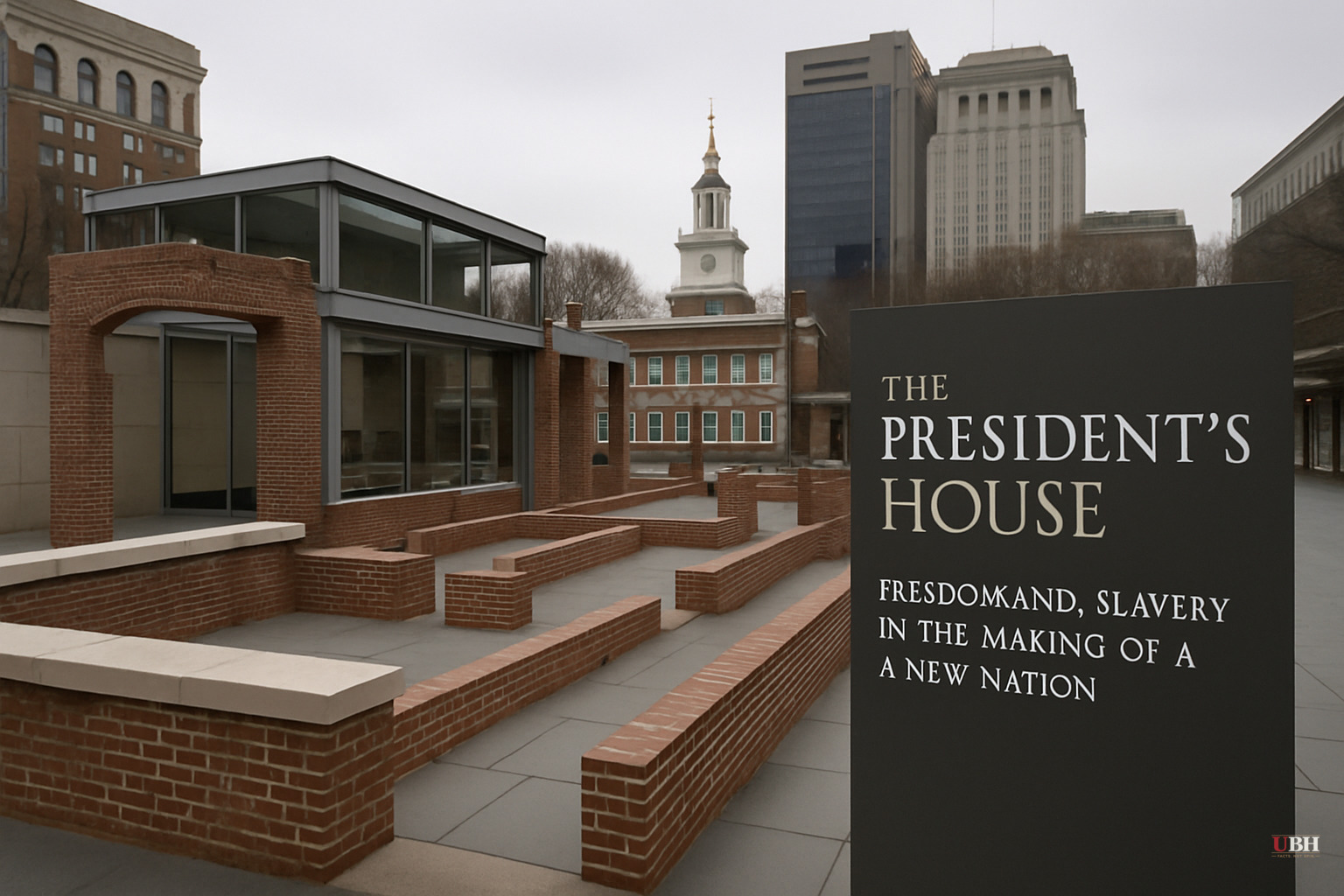
The President's House Site on Independence Mall in Philadelphia — a federally managed outdoor exhibit documenting nine African-Americans enslaved by George Washington during his presidency — has been at the center of an ongoing legal fight since early 2025.
The Trump administration's executive order, titled "Restoring Truth and Sanity to American History" and signed roughly a year ago, directed the Interior Secretary to remove from national parks and historic sites content that "inappropriately disparages Americans past or living." Federal employees later removed exhibit panels at the President's House using crowbars, according to NPR.
A federal judge ruled against that removal on February 16, finding that the government does not have the power to "dissemble and disassemble historical truths when it has some domain over historical facts," according to The Daily Pennsylvanian. The ruling required the National Park Service to restore the panels by February 20. The administration appealed, which paused reinstatement.
The National Park Service began reinstalling more than two dozen panels on June 13, according to The Daily Pennsylvanian. But a separate federal judge has now temporarily blocked the full restoration while the appeal plays out. As of June 15, some panels are back up; a significant portion are still missing.
The Legal Fight
A federal appeals court heard oral arguments on Tuesday, June 2, according to WHYY. The dispute turns on several legal questions: whether a 2006 cooperative agreement between Philadelphia and the National Park Service gives the city veto power over changes to the site, what law governs enforcement of that agreement, and whether the government has obligations under the Underground Railroad Act.
The administration's attorney, Gregory in den Berken, argued before the three-judge panel that the lower court's injunction effectively gives a municipality veto power over what the federal government displays on its own property. That is a legitimate federalism concern. If upheld, it would mean any city that co-funded a federal installation could constrain what the federal government says on that land.
Philadelphia city attorney Anne Taylor countered that the city spent millions of dollars designing the exhibit under the 2006 agreement, which stipulated the federal government would then maintain it permanently. She argued the city retains a legal "residual interest" in the site.
In den Berken acknowledged the city's financial contribution but told the court the 2006 agreement constituted a donation to the National Park Service, stripping the city of ongoing authority.
The appeals court has NOT issued a ruling as of June 15. No timeline for a decision has been publicly announced.
Who Built It and What It Is
The President's House opened in 2010 after an archaeological project uncovered the remains of enslaved workers' quarters at what was the nation's first executive mansion. Lawyer and activist Michael Coard spent years advocating for its creation.
"It was the opening of the first slave memorial of its kind on federal property in the history of the U.S. We thought it would last forever. But 15 years later, the destruction came," Coard told NPR.
The exhibit documents nine specific individuals Washington enslaved while he lived in Philadelphia as president. It is not a general commentary on American history; it depicts documented people at a documented location on federal property.
The Administration's Case, Stated Fairly
The Trump administration's position deserves a straight reading. The executive order does not say "erase slavery from history." It targets content that "inappropriately disparages Americans past or living" — a standard the administration argues gives it legitimate editorial control over federally owned property. The administration's lawyers contend that a president has inherent authority to decide how federal land is used and what federal installations display, and that a lower court judge issuing a mandatory injunction to dictate exhibit content goes beyond judicial authority. These are serious constitutional arguments about separation of powers.
The removal also drew bipartisan condemnation, according to NPR — meaning this is not cleanly a partisan left-right fight, even if the executive order originated with the Trump administration.
The July 4th Deadline
Activists including Coard and attorney and tour guide Raina Yancey want the full exhibit restored before July 4, 2026, when Philadelphia will host major events marking the 250th anniversary of American independence. The timing is pointed: visitors from around the country will walk past whatever version of the President's House exists that weekend.
Penn Graduate School of Education professor Jonathan Zimmerman told The Daily Pennsylvanian the February ruling was "a very welcome decision" and called it evidence that "the federal courts are not always going to be supine to Trump." Zimmerman argued the administration is trying to "remove information that people will perceive as negative about the country," which he said makes honest history impossible.
The appeals court ruling will determine whether the fully restored exhibit is in place for that date, or whether visitors see a patchwork site that tells an incomplete story.
What Comes Next
The three-judge federal appeals panel heard arguments June 2 but has not yet ruled, according to WHYY. The National Park Service's reinstallation work, which began June 13, remains incomplete pending that ruling. The Department of the Interior had not responded to a request for comment as of The Daily Pennsylvanian's June 15 reporting. If the appeals court upholds the injunction, full restoration could proceed. If it sides with the administration, the panels come back down. A site that took years to build could be largely dismantled again before the nation's 250th birthday celebration.
Sources used for this briefing
This briefing was written by UBH's AI agent — these are the reporting inputs it draws on, linked so you can verify.


