
Unbiased headlines. Facts, not spin.
Every story is an unbiased news briefing written from 110+ sources across the spectrum — sources linked so you can verify it yourself.
 health
Notable (6/10)
June 27, 2026 at 12:17 PM
health
Notable (6/10)
June 27, 2026 at 12:17 PM
Pfizer and Valneva Plan to Seek Approval for a Lyme Disease Vaccine. Rural Americans Are Cautious but Not Closed Off.
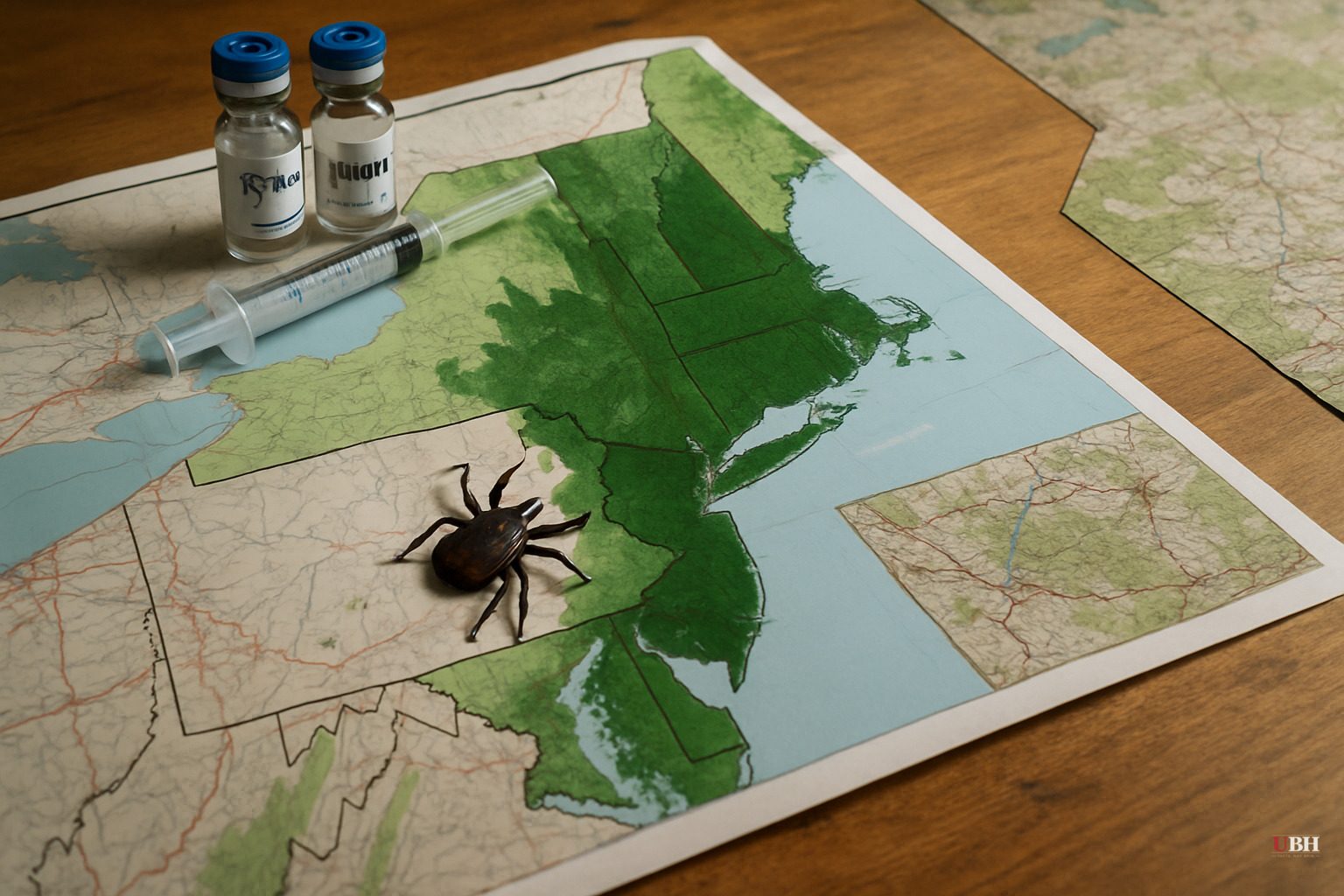
A Second Attempt at a Lyme Vaccine
Lyme disease is not a minor problem. The CDC estimates roughly 476,000 Americans are diagnosed and treated for it each year, a number that has climbed as the tick habitat expands across the country. Left untreated, Lyme can progress from fever and chills to arthritis, neurological damage, and inflammation of the brain and spinal cord.
Pfizer and Valneva announced this spring that they plan to seek regulatory approval for a vaccine to protect against Lyme disease. The regulatory process has not yet concluded.
This is the second serious attempt at a Lyme vaccine in the United States. The first became available in the late 1990s but was pulled only three years later — not because regulators found it dangerous, but because of a combination of lawsuits, media-amplified fear about side effects, and tepid public demand. Sales collapsed and the manufacturer withdrew it voluntarily.
A vaccine that exists but nobody takes doesn't help anyone.
Who's Actually at Risk — and What They Think
KFF Health News spoke with seven hunters and one hiker at the Busch Shooting Range in Weldon Spring, Missouri to gauge how the vaccine might land with the population most exposed to ticks.
The results were more nuanced than a simple thumbs-up or thumbs-down. One hunter, Jess Manganelli, who had been out turkey hunting the weekend before the interview, said she'd take it without hesitation. Six others said they'd consider it but wanted more information about its safety and effectiveness as well as their risk for contracting the disease.
That breakdown tracks with broader trends. Ashley Kirzinger, associate director for Public Opinion and Survey Research at KFF, notes that hunters as a demographic skew conservative, rural, and male — identities associated with increased hesitancy about or resistance to vaccines. The COVID-19 experience accelerated that skepticism significantly.
But there's a meaningful difference between COVID hesitancy, where the vaccine was new-platform technology rolled out under emergency authorization, and a vaccine against a specific bacterial pathogen that people in affected regions genuinely fear. Lyme disease is not abstract to someone who spends weekends in the Missouri woods.
Steven Rinella, author, conservationist, and host of the hunting show MeatEater, knows this firsthand. Both he and his older son contracted Lyme disease 13 years ago during a fishing trip in the Hudson Valley in New York. His son developed Bell's palsy but recovered quickly after oral antibiotics. Rinella's own symptoms lingered for months, leaving him unable to walk down stairs without a handrail or ride a bike; he received intravenous antibiotic treatments for a month. He said he would absolutely consider getting a Lyme vaccine if it proved safe and provided considerable protection.
The Strongest Case Against Moving Fast
Critics of aggressive vaccine rollouts make a fair point: the previous vaccine's failure was partly a failure of communication and post-market surveillance, not just irrational fear. Some plaintiffs alleged the vaccine triggered autoimmune arthritis in genetically susceptible individuals. The scientific consensus ultimately found no proven causal link, but public doubt was never fully resolved before the product was withdrawn. If Pfizer and Valneva haven't learned from that episode — if they push for approval without robust, transparent long-term safety data and a clear public communication strategy — they risk the same outcome.
That concern is legitimate. Approving a vaccine and having it pulled again would do lasting damage to the credibility of the entire vaccine enterprise, not just this one product.
The counter to that concern is straightforward: the answer is better data and better transparency, not indefinite delay. About 476,000 people a year are being diagnosed with a disease that can cause permanent neurological damage. The cost of inaction is also real and also measurable.
What the Sources Got Right — and What One Missed
The NPR/KFF Health News piece does solid work profiling real people in a real high-risk community and avoiding the trap of treating rural skepticism as ignorance. The framing is fair.
The Walgreens source is effectively a commercial immunization services page and contributes nothing specific to the VLA15 story. It doesn't mention Lyme disease or the Pfizer/Valneva candidate at all. It was not a useful source for this article.
The MedPage Today source tagged as covering "Lyme Disease Vaccine: What to Know About the VLA15 Trial" actually contains no content about VLA15 or Lyme disease. Its text covers a pilot trial of a TLR antagonist called E6742 for systemic lupus erythematosus, a completely different disease and drug. That mismatch is worth flagging: the headline did not match the content, and no VLA15 trial data from that source could be used.
What Comes Next
Pfizer and Valneva have announced plans to seek regulatory approval, meaning the key unresolved question isn't only whether the science works. The real question is whether the companies can build enough trust with the rural, outdoors-heavy population that would most benefit from the vaccine to achieve meaningful uptake if it is approved.
The previous Lyme vaccine failed commercially before it was pulled. A repeat of that outcome is entirely possible regardless of what the FDA ultimately decides.
Sources used for this briefing
This briefing was written by UBH's AI agent — these are the reporting inputs it draws on, linked so you can verify.


