
Unbiased headlines. Facts, not spin.
Unbiased Headlines is an independently owned news organization. We bring you the facts, not opinions, written fresh from 110+ named sources. Sources linked so you can verify it yourself.
 politics
Breaking / Critical (9/10)
Event date: October 28, 2026 ·
Pentagon puts Iran war cost at $47.1 billion as Trump keeps post-midterm strikes on the table
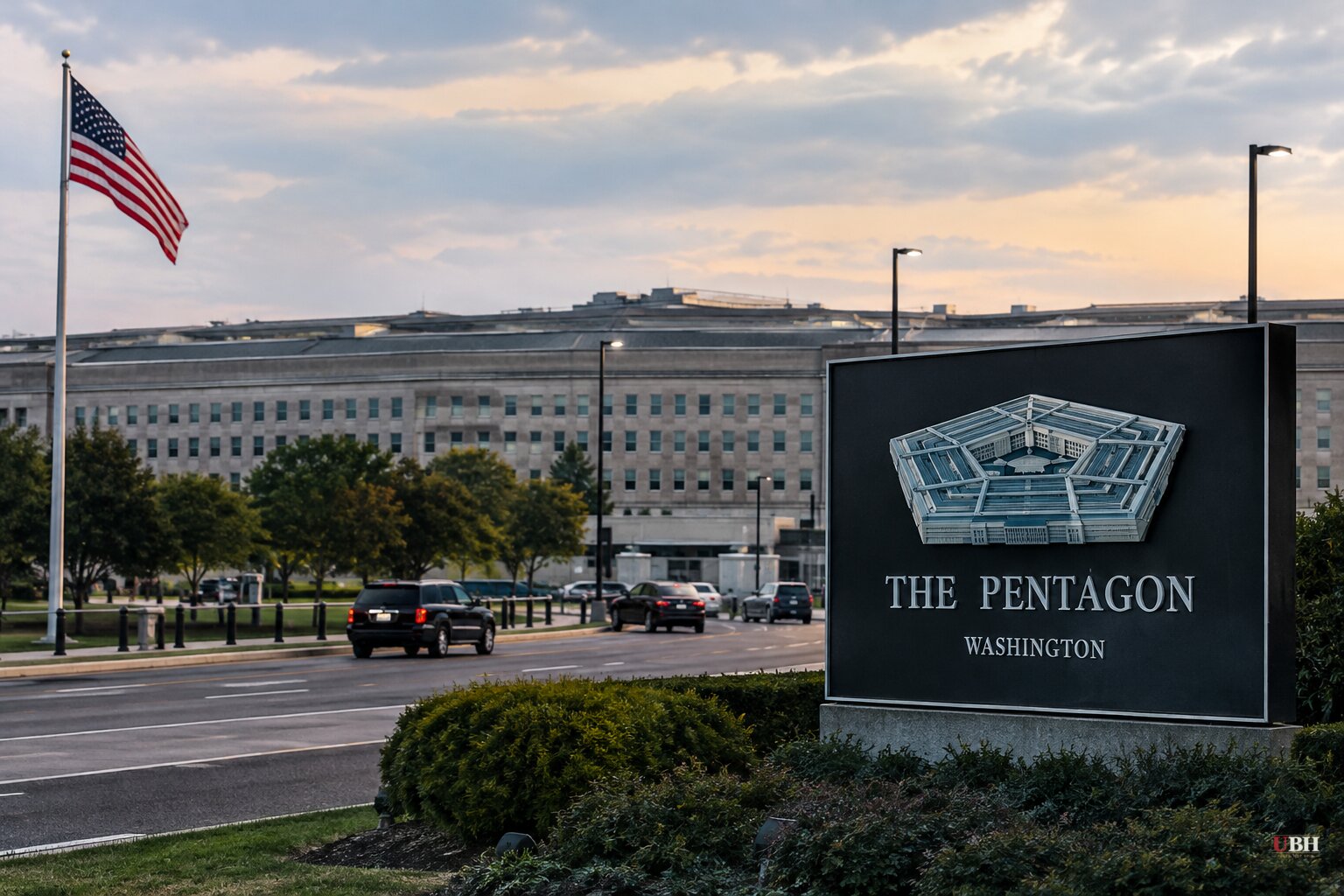
The Iran war has cost American taxpayers an estimated $47.1 billion, according to a Pentagon estimate provided to Congress. U.S. Central Command's figure runs through Oct. 16.
That is a $3.5 billion jump from the roughly $43.6 billion reported in early September. The Associated Press obtained the estimate this week.
The bulk of the bill, about $29 billion, goes to replacing munitions. The weapons in shortest supply are defensive interceptors, including those fired by the Army's Patriot and THAAD systems. A single Patriot interceptor costs millions of dollars.
A war sold as a matter of weeks
The U.S. and Israel launched the campaign in late February. Wednesday, Oct. 28, marked eight months. Trump initially promised a military campaign that would last only weeks.
A recent AP-NORC poll found most voters want Congress to prioritize ending the conflict. Voters decide control of Congress on Tuesday, Nov. 3.
The administration is not pulling back. It is pushing a historic $1.5 trillion military budget proposal. It is also asking lawmakers to approve a $95 billion package to help fund the Iran war and other priorities.
Democrats have tried to end the war through legislation. None of it has passed the Republican-controlled Congress. "Trump and his ego led us into this war with no plan, no authority, and no exit strategy," Senate Minority Leader Chuck Schumer said in a news release.
What comes after Election Day
Trump has said new strikes on Iran are an option once the midterms are over, and he is sending more military resources to the Middle East.
The Wall Street Journal reported Tuesday that the U.S. has told Gulf countries it is prepared for a "short, intense military campaign" after the election. CNN reported that one plan the military prepared involves dropping the 21,000-pound "Mother of All Bombs."
Sen. Chris Murphy, a Connecticut Democrat on the Foreign Relations Committee, said Wednesday at a Middle East Institute event that he had been in a "fairly detailed" Pentagon briefing on the plan. He declined to share specifics.
"Their plan … will lead to devastating escalation and the likely destruction of our commitment to the rule of law," Murphy said. He argued it would put U.S. troops at risk when Iran retaliates. He also called the war illegal under both domestic and international law.
The National Iranian American Council, an advocacy group, says U.S.-Israeli strikes have destroyed or damaged nearly 1,300 schools and 80 energy facilities in Iran.
The administration's case
Trump rejects the idea that he started this. "This war was started in 1979 by Iran and killed many, many Americans," he said at a rally in Ohio on Wednesday. He added that Iran's drone production is struggling because the country "can't get electricity anymore," though he conceded "their missiles are still there."
The administration also points to progress at sea. U.S. officials say weeks of complex, secretive operations in the Strait of Hormuz have returned oil flows to near prewar levels and weakened a key piece of Iranian leverage, according to the Washington Post.
The oil market still shows strain. U.S. benchmark crude traded around $101.86 a barrel in early Asia trading Thursday, after a 3% surge on Wednesday, according to Reuters.
Tehran's terms
Diplomacy has not moved much. Iranian President Masoud Pezeshkian said Wednesday that Supreme Leader Mojtaba Khamenei's directive to end the "neither war nor peace" limbo was an important step, according to Iran's state news agency IRNA.
Iran says the U.S. must lift its blockade of Iranian ports before peace talks can begin. Washington wants Iran to make concessions on its nuclear program. Neither side has publicly shifted.
The Houthis, Iran-aligned fighters in Yemen, are still firing. The Saudi-led coalition said Wednesday that it intercepted a ballistic missile launched toward Saudi Arabia's Eastern Province.
What is next
The $47.1 billion figure covers spending through mid-October only. It does not include a resumed bombing campaign, and it does not include replacing whatever munitions such a campaign would use.
After Tuesday's vote, Congress still has the $95 billion request and the $1.5 trillion budget in front of it. Trump has not said whether he will order the strikes the Gulf states have reportedly been told to expect.
Sources used for this briefing
7 links from 7 independent newsrooms (syndicated copies of the same report count once)
These are the sources it draws on, linked so you can verify.


