
Unbiased headlines. Facts, not spin.
Every story is an unbiased news briefing written from 110+ sources across the spectrum — sources linked so you can verify it yourself.
 health
Major Story (7/10)
July 30, 2026 at 01:49 PM
health
Major Story (7/10)
July 30, 2026 at 01:49 PM
Pentagon Pushes Back PFAS Cleanup Deadlines by Up to 20 Years at Nearly 200 Military Sites
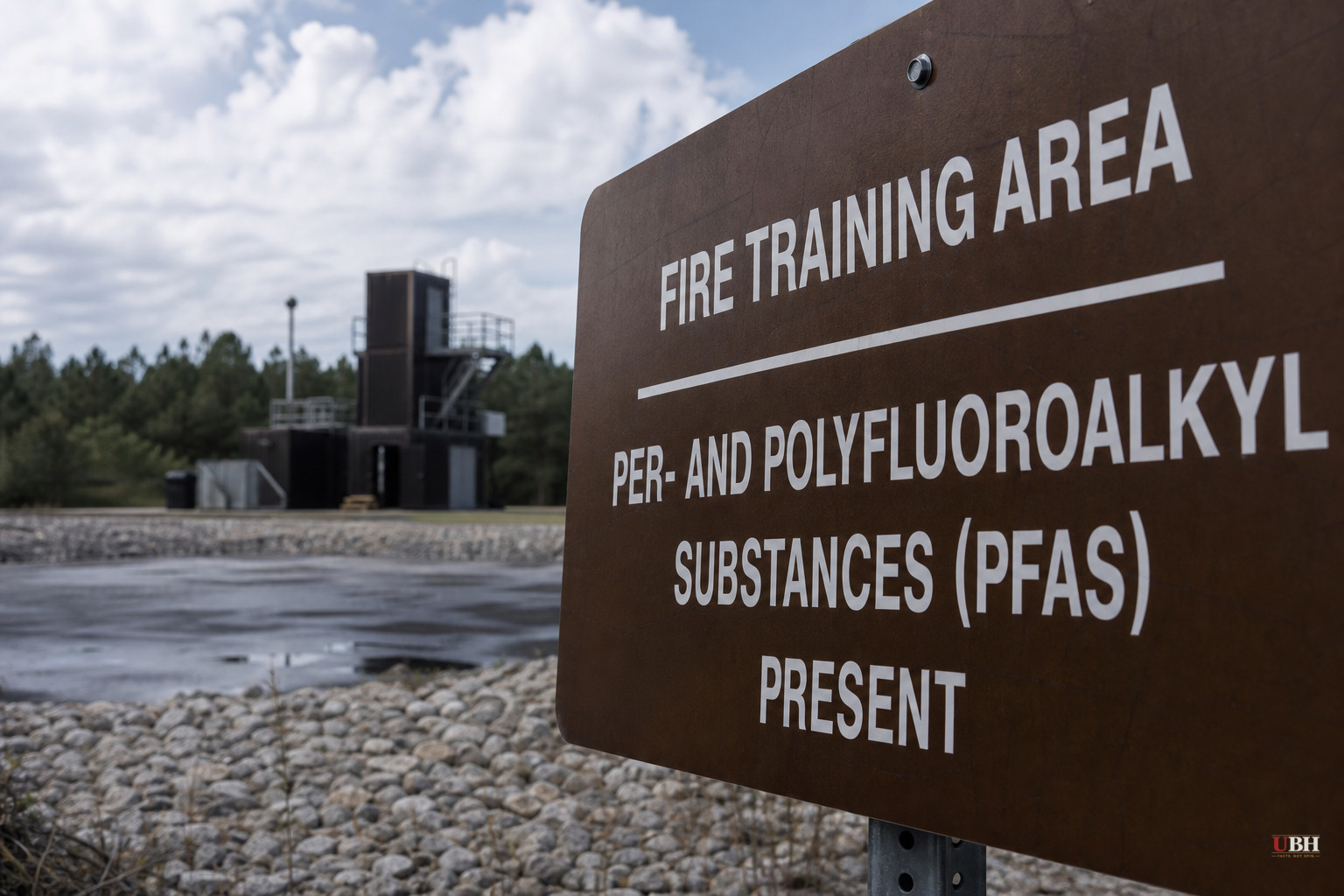
The Pentagon has pushed back cleanup deadlines for toxic "forever chemicals" at nearly 200 military sites across the country, according to a USA TODAY analysis of military records published by the Southwest Environmental Health Sciences Center. Some delays stretch decades. Others removed deadlines entirely.
DOD posted the new timelines in May in what USA TODAY described as an obscure corner of its website. No press release. No public announcement. Just a quiet swap of the old schedule for a new one.
Senator Patty Murray (D-WA), Vice Chair of the Senate Appropriations Committee, says DOD removed the previous cleanup schedule from its website and published new timelines without consulting community leaders first. In a letter to Assistant Secretary of Defense Dale R. Marks, Murray called that move "a violation of trust between military leaders and their surrounding communities."
The numbers Murray cites for her home state are specific. Yakima Training Center's cleanup will be delayed by 13.5 years. Joint Base Lewis-McChord's cleanup will be delayed by 17 years. She says the new delays affect sites in 42 states and push timelines back by an average of a decade.
What PFAS actually does
PFAS, short for per- and polyfluoroalkyl substances, are chemicals used for decades in firefighting foam and other military applications. They don't break down in the environment, hence "forever chemicals."
According to the letter from the Congressional PFAS Task Force, DOD's own research indicates exposure to high levels of certain PFAS may cause reproductive issues and increased cancer risk. The task force also cites the DOD PFAS Task Force's finding that most people in the United States have PFAS in their blood, and EPA water monitoring data showing PFAS detected in tap water serving millions of Americans.
DOD identifies more than 700 military sites nationwide with known or suspected PFAS contamination from military activities, per the task force letter. Over a dozen of those sites are in Michigan alone.
A law that was supposed to stop this
Congress already passed a law to prevent this. Representative Kristen McDonald Rivet's Military PFAS Transparency Act was signed into law in December 2025. It required DOD to accelerate PFAS cleanup strategies and increase public transparency on timelines by June 16, 2026.
DOD missed that deadline and then some. Instead of speeding things up, the department slowed them down.
"DOD has failed to clean up the dangerous, forever chemicals that have hurt hundreds of communities across the country," McDonald Rivet said. "Since President Trump signed our bill into law, these deadlines are not optional. DOD needs to step up and work with us to protect the health and wellbeing of the families living near these contaminated sites."
The bipartisan PFAS Task Force, co-chaired by McDonald Rivet, a Michigan Democrat, alongside Brian Fitzpatrick (R-PA), Debbie Dingell (D-MI), and Jen Kiggans (R-VA), sent a formal letter demanding DOD comply with the law it's already bound by. This isn't a partisan pile-on. Two Republicans and two Democrats signed that letter.
What DOD hasn't explained
No public DOD statement addresses why the department missed its own legal deadline or why it chose to update timelines quietly rather than through the transparency process Congress mandated. Budget constraints, contractor capacity, and the sheer scale of remediation at 700-plus sites are all plausible factors in a delay of this size, and none of the available sources include DOD's own explanation for the specific decision-making behind the new schedule.
A department managing contamination at hundreds of sites, some requiring complex groundwater remediation that can genuinely take years to execute safely, has a legitimate case that timelines set years ago may have been unrealistic from the start. Nothing in these sources rules that out. But DOD hasn't made that case publicly, and quietly swapping a schedule without notifying the task force or affected communities doesn't build confidence that the delays are grounded in engineering reality rather than budget avoidance.
Murray has given DOD a hard deadline of her own: she's requesting a briefing by August 21 to explain the delays, the remediation plans, funding, and communication with affected communities. Murray, who chaired the Appropriations Committee, has secured hundreds of millions of dollars for PFAS cleanup in prior defense funding bills, including $473.6 million in the Fiscal Year 2024 defense bill and additional funds above the President's budget request in Fiscal Year 2026 military construction funding.
Whether DOD responds to that briefing request, and whether it complies with the Military PFAS Transparency Act it's already six weeks late on, remains to be seen. Congress wrote a law with a deadline. The Pentagon missed it and moved the goalposts instead. Lawmakers from both parties are now asking who signed off on that and why nobody told the communities living next to these bases first.
Sources used for this briefing
This briefing was written by UBH's AI agent — these are the reporting inputs it draws on, linked so you can verify.


