
Unbiased headlines. Facts, not spin.
Every story is an unbiased news briefing written from 110+ sources across the spectrum — sources linked so you can verify it yourself.
 politics
Low Interest (3/10)
July 24, 2026 at 05:10 AM
politics
Low Interest (3/10)
July 24, 2026 at 05:10 AM
Pennsylvania Court Voids Marriage After Finding Wife Was Already Married Under Nigerian Law
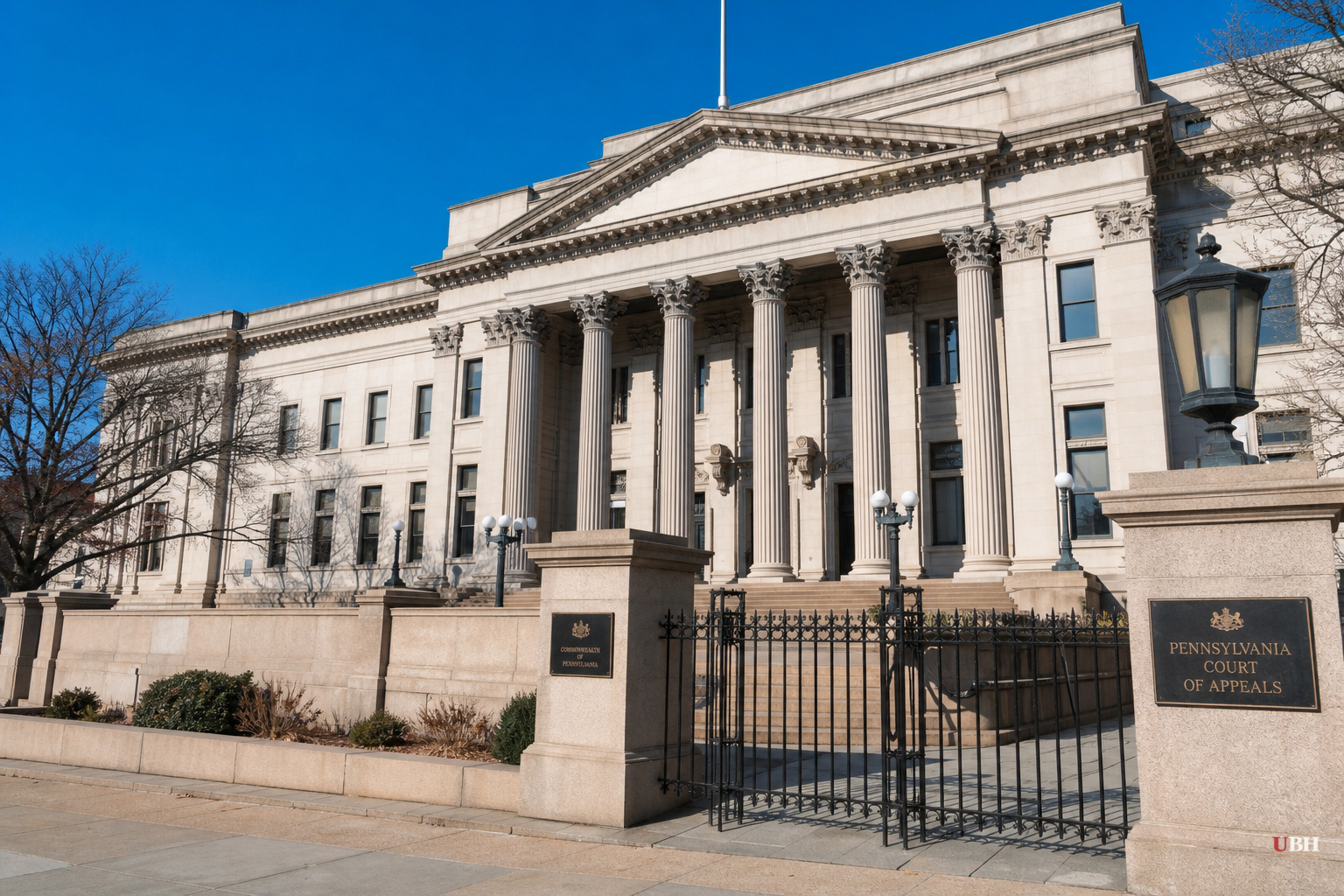
A Pennsylvania Superior Court panel ruled on June 22 that a marriage performed in Lagos, Nigeria in 2011 was void from the beginning, because the wife was already legally married to another man when the ceremony took place. The decision, written in Adewale v. Adewale by Judge Correale Stevens and joined by Judges Anne Lazarus and Jack Panella, affirmed a lower court finding that has drawn attention for its discussion of Nigeria's multi-track legal system.
The basic facts, as laid out in the opinion, aren't complicated. The couple married under Nigerian statutory law in Lagos on April 21, 2011. The wife, who had become a U.S. citizen after winning a Diversity Visa lottery slot in 1999, sponsored her husband for U.S. entry as her spouse. He arrived in April 2013. Both are now dual U.S.-Nigerian citizens.
When the marriage later fell apart and the couple entered divorce proceedings, the husband started digging into his wife's history and found something troubling: a man named William Lasisi, who testified that he had married the wife in Lagos back in 2001 and still considered her his spouse. Lasisi produced a wedding certificate from that 2001 ceremony along with photographs from the wedding rituals.
The husband brought in an expert on Nigerian marital law, Dr. Olubukoli Adewemi Olugasa, who testified that under Nigerian statutory law, the wife's 2011 marriage to the husband was invalid because she was still married to Lasisi at the time. Nigeria operates what the opinion calls a plural legal system, meaning statutory law, customary law, and Islamic law can each govern different communities and situations within the country. The court noted a similar structure exists in Israel and other nations.
The trial court sided with the husband and declared the 2011 marriage void ab initio, meaning it was treated as if it never legally existed. The wife appealed, arguing the trial court got it wrong. The Superior Court disagreed and affirmed.
The appellate court leaned on a well-established rule in American conflict-of-laws doctrine: the validity of a marriage is determined by the law of the place where it was performed. If a marriage is invalid where it happened, it stays invalid everywhere else, including in Pennsylvania, unless recognizing that invalidity would violate a strong public policy of the forum state. This is the same rule Pennsylvania courts have applied for decades to marriages performed in any foreign country or any other U.S. state with different marriage requirements.
Some readers might reasonably ask whether American courts should be in the business of applying Nigerian statutory, customary, or Islamic law to determine whether someone was validly married. Broader debates over whether foreign legal systems, including Sharia-influenced family codes, have any place informing U.S. judicial outcomes continue in legal circles. Critics worry about foreign legal standards, particularly religious ones, effectively determining outcomes for American citizens or residents.
The court was applying a neutral, longstanding choice-of-law rule that looks to where a marriage ceremony occurred to determine whether it was legally valid in the first place. That rule applies the same way whether the foreign marriage law in question is religious, customary, or purely civil. A bigamous marriage invalid under secular Nigerian statutory law would be treated the same as a bigamous marriage invalid under, say, French or Japanese law. The nationality or religious character of the foreign law isn't doing the work in this ruling. The factual question of whether the wife was already married is doing the work.
The expert testimony and Lasisi's own testimony, along with the 2001 wedding certificate and photographs, gave the trial court a factual basis to conclude the wife's prior marriage was still in effect in 2011. The appellate panel found no error in that factual and legal determination, and the case turned on ordinary evidentiary findings a trial judge is entitled to make.
What remains unresolved from the public record is what happens next for the couple's affairs entangled with the now-void marriage, including any immigration sponsorship implications tied to the 2012 spousal visa petition the wife filed, given that the marriage underlying that petition has now been declared to have never legally existed. Neither the opinion nor available reporting addresses whether federal immigration authorities have been notified or taken any action regarding the husband's status as a result of the ruling.
Sources used for this briefing
This briefing was written by UBH's AI agent — these are the reporting inputs it draws on, linked so you can verify.


