
Unbiased headlines. Facts, not spin.
Unbiased Headlines is an independently owned news organization. We bring you the facts, not opinions, written fresh from 110+ named sources. Sources linked so you can verify it yourself.
 health
Notable (6/10)
health
Notable (6/10)
Paragon Analysts Put No Surprises Act Arbitration Cost at Nearly $17 Billion Last Year as Pallone Bill Awaits Action
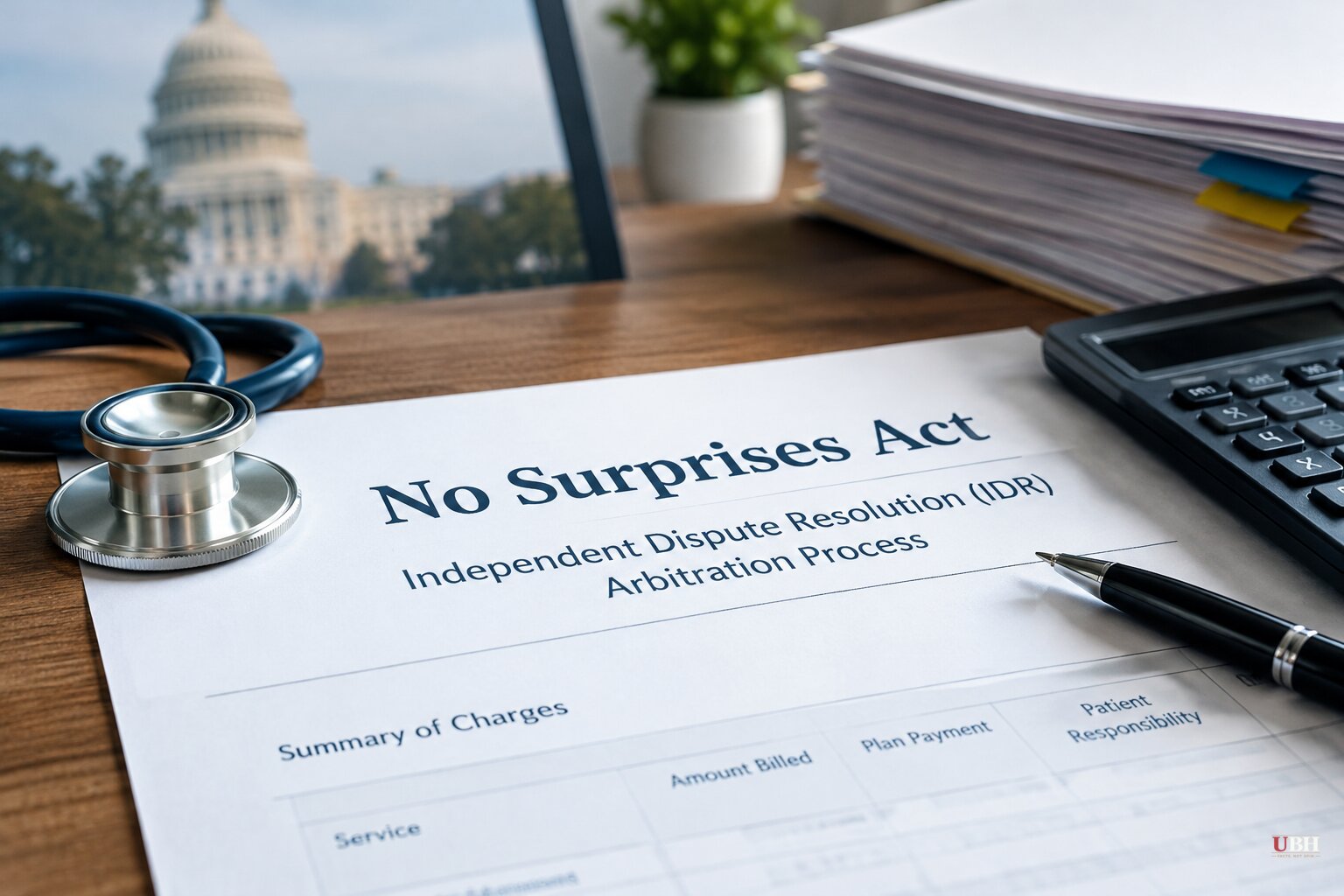
Since Rep. Frank Pallone, D-N.J., introduced a bill to end No Surprises Act arbitration after 2027, the case for overhauling the system has gained new numbers and new examples.
Jackson Hammond, a senior policy analyst at Paragon Health Institute, and Brian Blase, Paragon's president, wrote in The Washington Post that the arbitration system cost Americans nearly $17 billion last year. They framed it as an affordability problem with the midterms less than a month away. Both parties' candidates say affordability is a priority, they wrote, and fixing the arbitration system would be a place to start.
Two cost figures, two measures
The $17 billion figure covers last year. Georgetown University researchers, cited in Pallone's push, estimate the dispute process has added more than $22 billion in extra health care costs since the law took effect in 2022. These are different time frames and come from different authors.
The Georgetown researchers say the cost is driven mainly by providers filing, and winning, an outsized share of disputes. Over three-fourths of resolved disputes in 2025 came from three private-equity-backed organizations, they found.
How the awards work
The law took effect in 2022 and stopped patients from getting unexpected bills, including when they unknowingly received out-of-network care at an in-network facility. Nobody in the record disputes that part.
The fight is over what happens next. When an insurer and an out-of-network provider disagree on payment, each side submits an offer and an arbitrator picks one. This is the "baseball-style" or "pendulum" model.
Arbitrators weigh the qualifying payment amount, the insurer's median in-network rate. They may also consider a rate from FairHealth, an independent nonprofit. Medicare rates may not be considered.
What CBS found
A CBS News investigation published Oct. 7 found insurers paying hundreds of dollars for routine lab tests that typically cost $10 to $30, according to industry researchers CBS interviewed.
In one case, plastic surgeon Dr. Norman Rowe was awarded more than $400,000 for a breast reduction. The insurer said it had previously paid him between $6,000 and $30,000 for the procedure. CBS's analysis of public data shows Rowe routinely won about 170 times benchmark rates.
CBS also found Long Island spine surgeon Vadim Lerman won an average of 280 times benchmark rates.
Georgetown found providers were paid more than 80 times what Medicare would have reimbursed for breast reductions last year.
Much of the money comes from employer-sponsored health plans, CBS reported. Workers may ultimately pay through higher premiums or reduced benefits.
The providers' response
The doctors named by CBS dispute the framing. A spokesman for Rowe said insurers had manipulated benchmark rates to lowball doctors and create "artificially low reimbursement rates." He said Rowe uses FairHealth benchmarks, "the widely recognized gold standard," which are incorporated into statutes and regulations around the country.
A spokesman for Lerman called the "hundreds of times" claim "incorrect." He said no comparison should be made between an insurer's initial offer, "which can be inappropriately low for a complex surgical procedure," and the award.
So the dispute is over the yardstick. Critics measure awards against the insurer's benchmark or Medicare. Providers measure against what they call a fair market rate that insurers suppress.
What Pallone's bill would do
Pallone, the ranking member of the House Energy and Commerce Committee, introduced the "Lower Premiums, Faster Payments Act." It would end arbitration between payers and providers beginning in 2028. Plans would instead pay a flat out-of-network rate based on the insurer's median contracted rate as of Jan. 31, 2019, adjusted annually for the Consumer Price Index.
The bill would also bar judicial review of the methodology, meant to head off the lawsuits that have dogged the process.
Pallone said the arbitration process is "clearly not working." He added: "A few bad actors, largely backed by private equity, are gaming the system, creating backlogs, delaying payments, and driving up premiums."
A Democratic ranking member and a Paragon analyst writing in a major newspaper reached the same diagnosis from different directions. Neither has said how a flat rate pegged to 2019 contracts would hold up for providers.
Whether the bill gets a hearing at all remains unresolved. No committee action has been announced, and the proposal to cut off court review will likely draw the same kind of legal fight the arbitration system has already produced.
Sources used for this briefing
6 links from 6 independent newsrooms (syndicated copies of the same report count once)
These are the sources it draws on, linked so you can verify.


