
Unbiased headlines. Facts, not spin.
Unbiased Headlines is an independently owned news organization. We bring you the facts, not opinions, written fresh from 110+ named sources. Sources linked so you can verify it yourself.
 finance
Major Story (7/10)
Event date: October 26, 2026 ·
Oracle Files to Sell $10 Billion in Stock and $10 Billion in Bonds, Five Days After Promising a $20 Billion Limit
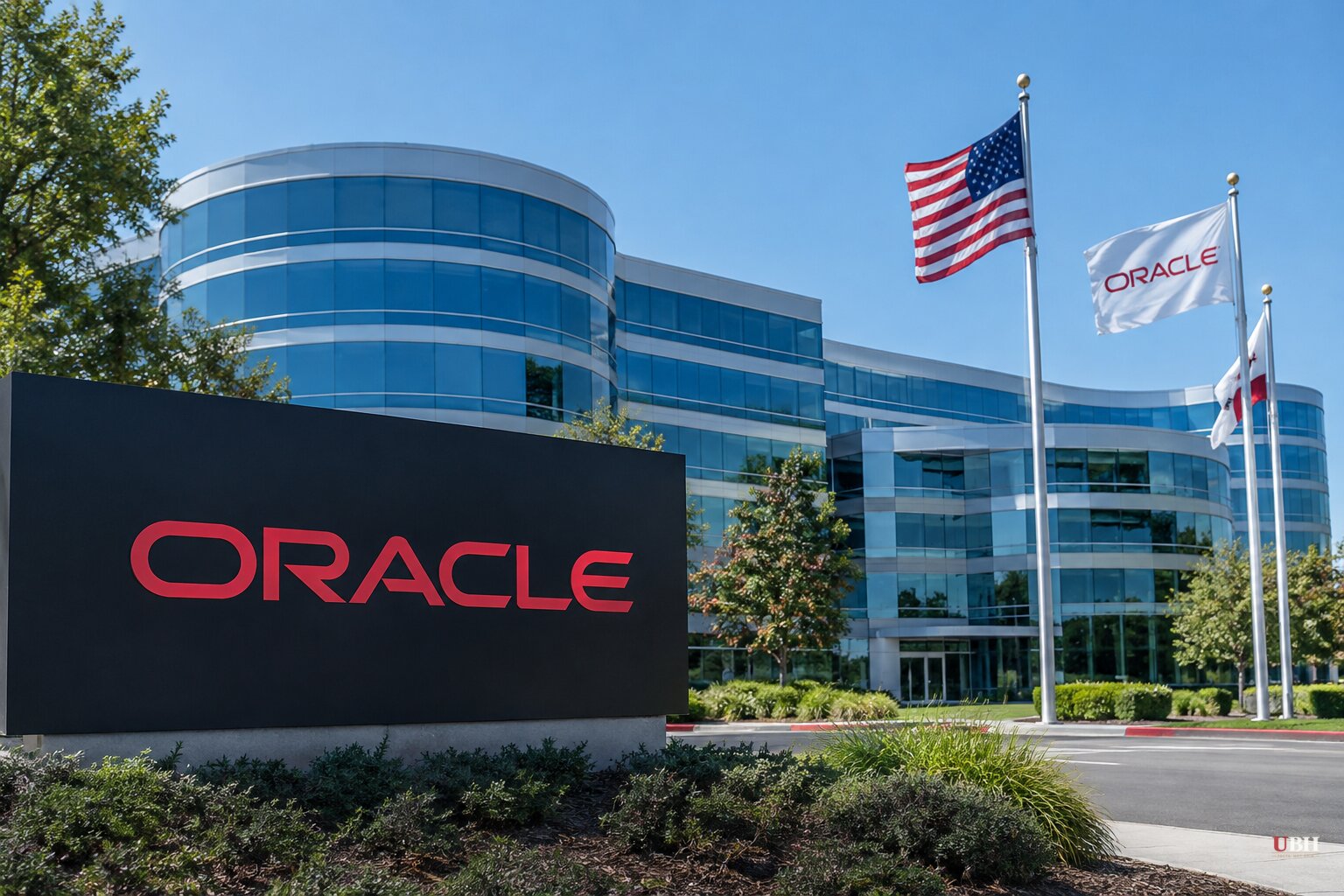
Oracle filed with the Securities and Exchange Commission on Monday, Nov. 2, to sell $10 billion in common stock and $10 billion in senior notes. That is $20 billion, raised in one morning.
The company said the proceeds would go toward general corporate purposes. Oracle said that could include capital expenditures, debt repayment, dividends and future investments or acquisitions.
The $20 billion promise
At its investor day last Wednesday, Oct. 28, Oracle told the market it would not raise more than $20 billion in additional capital through fiscal 2030. It split that as $10 billion in equity and $10 billion in gross debt.
The stock jumped about 10% on the news and hit an intraday high of $148.48. By early Monday it was trading around $126.48, according to ZeroHedge's market tracking, nearly 15% below that peak. BigGo Finance reported the shares down about 3% in premarket trading after the filings.
The bond deal is a six-part offering of U.S. investment-grade debt with maturities from two to 20 years, according to Bloomberg. Initial price talk on the longest tranche was about 3.6 percentage points over Treasuries.
What Oracle says, and what critics say
Oracle's position is that none of this is new. The $20 billion figure is the ceiling it set last week, and the company said it expects capital spending to peak this fiscal year and next. It then expects spending to step down in fiscal 2029, when Oracle says it will begin funding its own growth.
ZeroHedge, a financial blog, argued that the entire four-year allowance was "gone before the ink on the investor day slides is dry." It also said the "capital discipline" rally had been "round-tripped."
The numbers support a narrower point. Oracle did not exceed its stated cap. It front-loaded all of it within five days of announcing it.
A rough year for the stock
Oracle shares have fallen roughly 33% in 2026 and about 50% over the past 12 months, according to BigGo Finance. Dow Jones Newswires reported that Oracle has rushed to line up financing for its data center buildout and chip purchases, raising billions this year through stock and debt sales. Some investors have raised concerns about the company's debt, which has weighed on the shares.
A stock offering also dilutes existing shareholders. Oracle has not disclosed pricing for the equity sale in the filings reported so far.
The company is also pushing ahead on partnerships. It recently expanded its AI infrastructure work with Nvidia to a multi-gigawatt scale using Nvidia's Vera Rubin servers. It also said it will add chips from Google, Cerebras Systems and SambaNova Systems. Financial terms were not disclosed.
Oracle is not alone
On Oct. 26, Meta said it would raise $95 billion through stock sales: $35 billion in public offerings and $60 billion in ongoing share sales. Meta said proceeds would support "emerging AI opportunities," including applications, data centers and its AI agent Muse. Its shares were little changed after the announcement.
Meta had just guided to full-year capital expenditures of $135 billion to $145 billion. Jay Woods, chief market strategist at Freedom Capital Markets, said Meta's shares faltered after earnings despite strong numbers because "fears of a continued capex spend and free cash flow going negative outweighed any positive feelings."
Microsoft sold $25 billion in bonds in recent days, according to Bloomberg. That ended a nearly three-month lull in Big Tech bond issuance. Microsoft also reported Azure revenue up 48% to $33.2 billion while keeping capital expenditures in check.
Goldman Sachs estimates global companies will spend $7.6 trillion on computers, data centers and power between 2026 and 2031.
The squeeze on smaller players
The capital hunt is hardest for smaller AI cloud firms. Nvidia CEO Jensen Huang told CNBC that demand is "off the charts" but that there is a "scarcity of capital." He added that it is "going to get solved."
Elon Musk wrote on X on Oct. 25 that debt markets have closed to companies without "substantial revenue independent of AI data centers." He predicted the 200-plus neoclouds will see "guppy-level death and consolidation."
If Musk is right, even the giants are paying up to keep building. Oracle's own shareholders are the ones absorbing the new shares.
What to watch
Oracle has not yet disclosed the equity offering price. The bigger unresolved question is the fiscal 2029 handoff. Oracle says capital spending will peak and the company will fund its own growth by then. Until it shows that in its results, the $20 billion is the amount investors are weighing against the company's stated promise.
Sources used for this briefing
6 links from 6 independent newsrooms (syndicated copies of the same report count once)
These are the sources it draws on, linked so you can verify.


