
Unbiased headlines. Facts, not spin.
Unbiased Headlines is an independently owned news organization. We bring you the facts, not opinions, written fresh from 110+ named sources. Sources linked so you can verify it yourself.
 finance
Notable (6/10)
Event date: October 29, 2026 ·
Monte dei Paschi Shareholders Reject CEO's Defense Plan, Clearing Path for Intesa's €33 Billion Bid
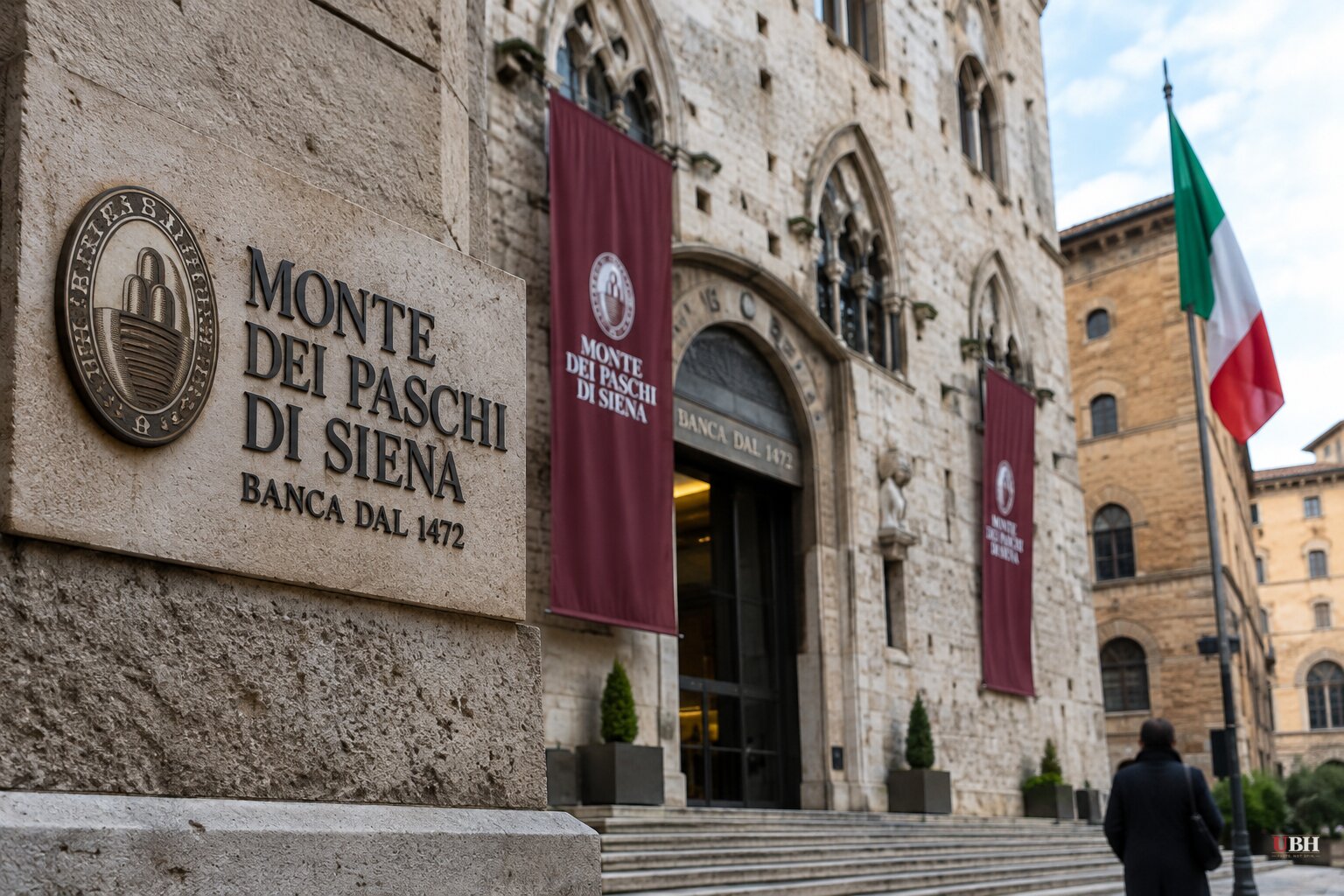
Monte dei Paschi di Siena shareholders voted Thursday, Oct. 29, to reject the defense plan CEO Luigi Lovaglio built to block Intesa Sanpaolo's takeover. Holders of about 60% of the bank's share capital voted no. Of the votes cast, roughly 91% opposed it.
The result was no surprise. The two biggest shareholders, the Del Vecchio and Caltagirone families, together own about 30% of MPS and had already sided with Intesa.
What Lovaglio proposed
Lovaglio's plan called for twin all-share offers: one for Banco BPM, the other for wealth manager Banca Generali. Combined, they were worth about €34 billion. Banco BPM holders would have received 1.567 new MPS shares each, and Banca Generali holders 6.958.
The combined group would have had a €466 billion balance sheet and been Italy's third-largest bank by assets.
Earlier the same day, shareholders also rejected a full merger of Mediobanca into MPS. Lovaglio said the day had gone "according to script" after Delfin, the Del Vecchio holding company, "signed a pact" with Intesa. Delfin said on Oct. 4 that it would tender its 534.7 million MPS shares to Intesa. Edizione, the Benetton holding company, later backed the offer too.
Intesa's conditions
Intesa had said it would walk away if shareholders approved the two buyout offers. It also attached a condition to a sweetener. It added €800 million in cash to its bid, but only if shareholders killed Lovaglio's plan. That condition is now met. The offer is valued at roughly €33 billion ($37 billion) and pays in a mix of shares and cash. It began in June as an unsolicited approach of €30.6 billion.
Lovaglio argued his board had earned something for shareholders. "While the antitrust decision is missing, the terms of the offer are not set," he said. He said the counterplan had prompted the extra €800 million. "The match is not over and while the process is ongoing our commitment and our responsibility towards all stakeholders stand," he added.
He got a warm reception in the room. Shareholders applauded him several times, and one bank employee said he had "saved them from certain death" when he took over in 2022. Lovaglio has had a rough ride since the Mediobanca deal. His push to merge Mediobanca into MPS put him at odds with Francesco Gaetano Caltagirone and cost him his job. He was reinstated in April with Delfin's backing.
The breakup plan
Intesa has agreed to sell about half of MPS's roughly 1,200 branches, along with the Siena headquarters, to insurer Unipol. FStech puts the figure at 635 branches for €3.5 billion. Unipol, already the largest shareholder in BPER Banca, would merge them with BPER and keep the Monte dei Paschi brand. That would create a banking group with about 2,600 branches.
The sale is meant to address antitrust concerns. Which brand appears on the transferred branches remains an open question.
Intesa would take MPS's roughly 86% stake in Mediobanca and, indirectly, a 13% holding in insurer Assicurazioni Generali, according to Bloomberg. The combined bank would be the eurozone's second-largest listed bank, with a market capitalization of about €126 billion.
Rescued by taxpayers, still not independent
The Italian state bailed out MPS in 2017 and sold it back to private hands in 2023 and 2024. Rome has spent years trying to build a third major bank to compete with Intesa and UniCredit. The government brought the Del Vecchio and Caltagirone families in as core investors for the Mediobanca deal.
It is now watching the lender it rescued get carved up. The largest piece goes to Intesa, the country's biggest bank. A large branch network goes to Unipol and BPER, which will form the third pole instead.
What comes next
The European Central Bank approved Intesa's control of MPS on Oct. 28, and also its indirect control of Mediobanca. Consob, the Italian securities regulator, has a 10-day window to approve the offer prospectus. Intesa plans to open the tender the week of Nov. 23, according to Bloomberg, citing people familiar with the matter. Bloomberg adds that the timetable could change.
The Italian antitrust authority has yet to rule. Intesa can launch without that ruling, but the offer still depends on it. Reuters says the verdict is expected this month. Final regulatory decisions are expected before 2027.
The open question is whether the antitrust authority accepts the Unipol branch sale as enough of a fix. Its ruling will decide whether Intesa's tender can complete.
Sources used for this briefing
6 links from 6 independent newsrooms (syndicated copies of the same report count once)
These are the sources it draws on, linked so you can verify.


