
Unbiased headlines. Facts, not spin.
Every story is an unbiased news briefing written from 110+ sources across the spectrum — sources linked so you can verify it yourself.
 finance
Notable (6/10)
July 26, 2026 at 03:33 PM
finance
Notable (6/10)
July 26, 2026 at 03:33 PM
Opportunity Zone Investors Face $75 Billion Tax Bill When Deferral Ends December 31, 2026
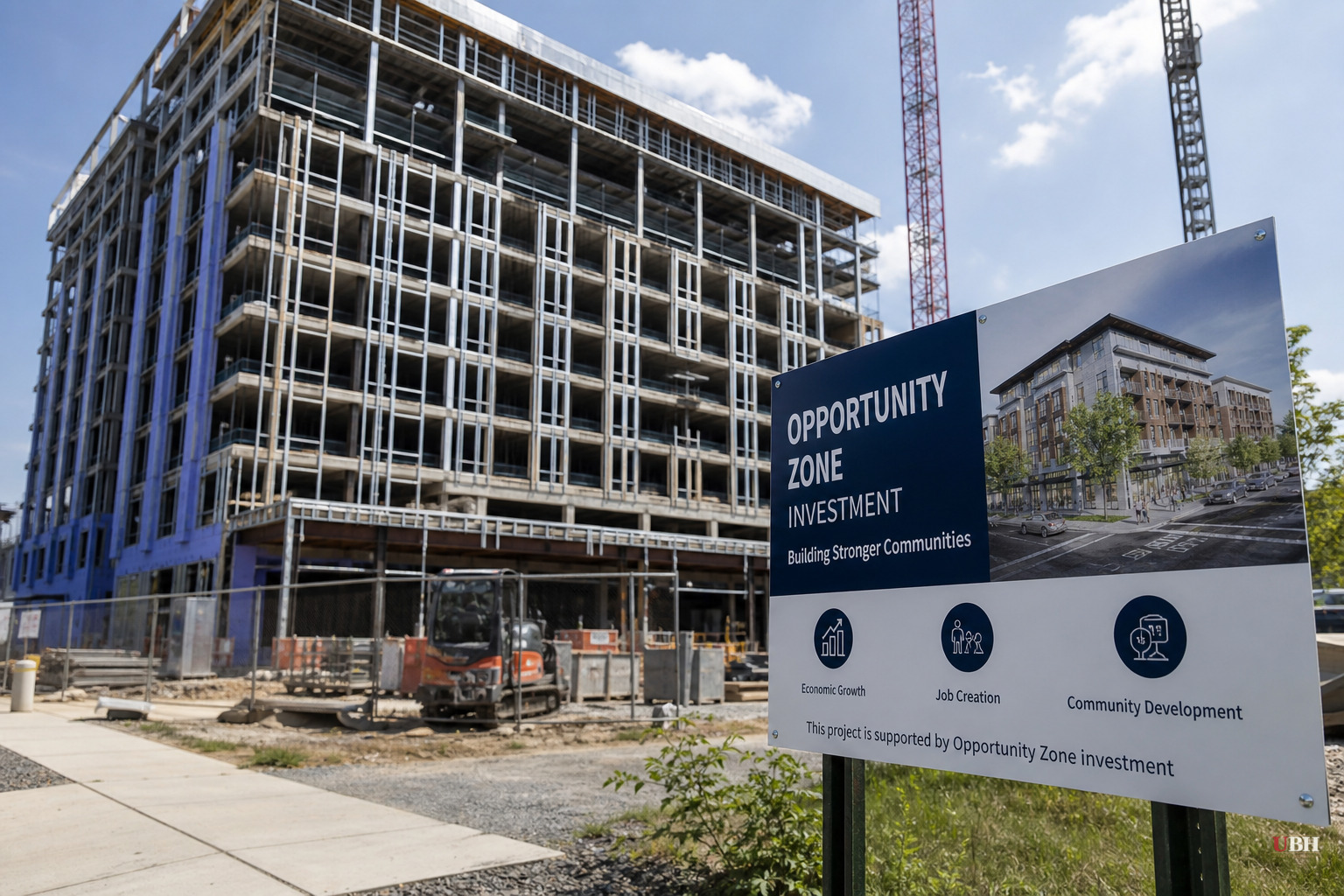
A tax break created under the 2017 Tax Cuts and Jobs Act is about to send bills to thousands of wealthy investors.
Opportunity Zones let investors defer taxes on capital gains by parking that money in Qualified Opportunity Funds, which invest in economically distressed areas certified by the Treasury Department. The deferral period ends December 31, 2026, according to a Treasury Department Office of Tax Analysis working paper cited by CNBC. That means every dollar of deferred gains becomes taxable this year, regardless of when an investor got in.
The numbers are not small. Treasury's research puts the aggregate value of deferred gains at $75 billion as of the end of 2024. About 12,800 Qualified Opportunity Funds existed at that point, with roughly 41,000 investors participating.
Who's actually in these funds
This is not a program for middle-class savers. About 85% of investors are individuals, the rest corporations, according to Treasury's data. The typical individual investor reported adjusted gross income of $738,000 in 2024.
That income level tracks with how the program was designed. Opportunity Zones require investors to have realized capital gains from another investment first, then roll that money into a fund. People with meaningful investment portfolios, not paycheck-to-paycheck workers, are the ones with capital gains to defer in the first place.
How the break actually worked
The tax incentive had layers. Investors who stayed in a fund for a full 10 years generally owe nothing on gains earned inside the fund itself. Separately, anyone who rolled realized gains into a fund got to defer tax on those original gains until this year.
Timing mattered a lot. Investors who got into a fund by the end of 2019 qualify for a 15% step-up in basis on their deferred gains, meaning only 85% of those gains get taxed instead of the full amount. Investors who got in by the end of 2021 get a smaller, 10% step-up. Anyone who missed both windows still got to defer the tax, just without the discount.
"Regardless of when from 2018 to present investors have deferred gains … the deferral period will end on Dec. 31, 2026, making all the gains taxable as of that date," said Jason Watkins, a partner at accounting firm Novogradac & Co. and an Opportunity Zone specialist, according to CNBC.
The catch that trips people up
Investors holding these investments face a critical issue: the tax comes due whether or not they have cashed out. Ryan Firth, another tax professional cited by CNBC, warned that investors need to have planned ahead for a bill that's arriving regardless of their fund's liquidity or performance.
That's a real risk. Some Opportunity Zone investments are illiquid, tied up in long-term real estate or business projects that can't easily be sold to cover a tax bill. An investor could owe the IRS real money in April 2027 on paper gains locked inside a fund they can't touch for years.
The case for the program, and the case against it
Supporters of Opportunity Zones, including lawmakers who backed the 2017 law, argued the incentive would pull private capital into neighborhoods banks and traditional investors usually avoid. Getting a millionaire to fund an apartment building or a small business in a distressed census tract, the thinking goes, beats getting nothing at all. Deferring the tax bill was the carrot that made that math work for high-net-worth investors.
Critics, including some tax-policy researchers, have long argued the program mostly subsidized investments that would have happened anyway, in areas already gentrifying, while handing a temporary tax shelter to people earning three-quarters of a million dollars a year. Treasury's own data, showing the average individual investor made $738,000, gives that critique some real weight. Whether the underlying projects actually revitalized distressed communities, versus just rewarding investors who were going to build there regardless, remains disputed and isn't resolved by this data alone.
Both things can be true: the program funneled capital gains into designated zones as designed, and it did so almost exclusively for people who were already wealthy enough to have capital gains to defer in the first place.
What happens next
The 10-year hold-to-avoid-tax benefit on in-fund gains still exists separately and isn't affected by the December 31 deadline. Investors who stay the full decade still pay nothing on appreciation earned inside the fund itself.
But the original deferred gains, the $75 billion Treasury tracked through 2024, all become taxable this year. Investors who haven't set aside cash for that bill, or who are locked into illiquid fund positions, have a few months left to figure out how they're going to pay it.
Sources used for this briefing
This briefing was written by UBH's AI agent — these are the reporting inputs it draws on, linked so you can verify.


