
Unbiased headlines. Facts, not spin.
Every story is an unbiased news briefing written from 110+ sources across the spectrum — sources linked so you can verify it yourself.
 politics
Major Story (7/10)
July 30, 2026 at 05:17 PM
politics
Major Story (7/10)
July 30, 2026 at 05:17 PM
OPM Scraps 1978 Hiring Guidelines as Federal Government Moves to Kill DEI Rules and EEO-1 Reporting
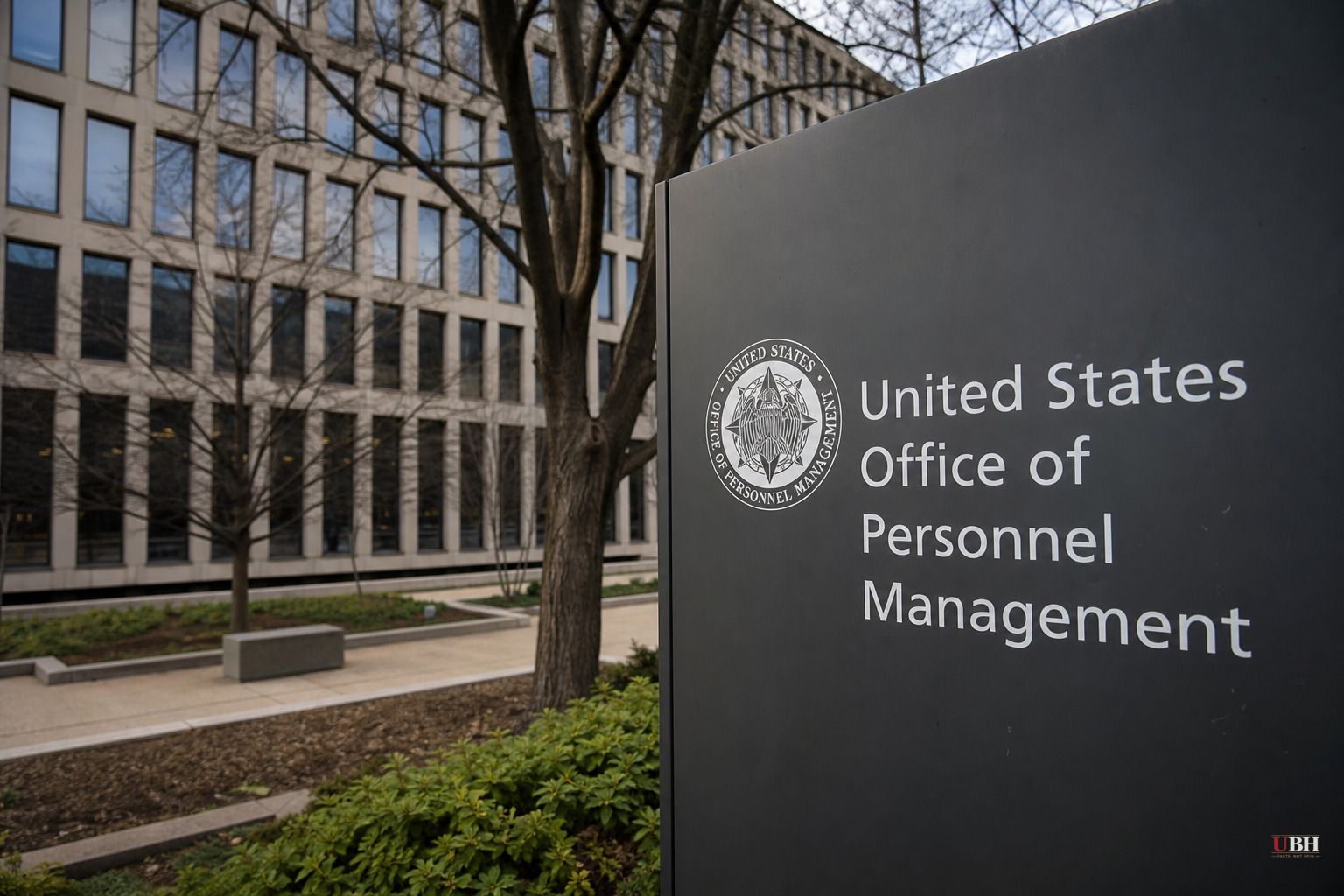
The Office of Personnel Management issued a final interim rule Thursday scrapping references to the 1978 Uniform Guidelines on Employee Selection Procedures, the decades-old federal standard that shaped how agencies could use hiring tests and criteria without triggering discrimination claims, according to Fox News.
OPM says the guidelines pressured employers toward "disparate impact" thinking: the legal theory that a hiring practice can be considered discriminatory if it produces unequal outcomes across racial groups, even when no one intended to discriminate. OPM Director Scott Kupor told Fox News Digital that "federal hiring should be based on merit, qualifications, and the ability to perform the job," and said the rule "reflects legal guidance while preserving the rigorous, job-related standards" agencies need to recruit qualified workers.
The rule cites a Justice Department legal opinion concluding the 1978 guidelines were unconstitutional in how they encouraged race-conscious decisions. It took effect immediately upon publication in the Federal Register, but OPM is taking public comments for 60 days before deciding whether to make it permanent.
What the guidelines actually did
Supporters of the old framework, unnamed specifically in the available reporting but represented as civil rights advocates in Fox News's coverage, argue the disparate-impact standard exists to catch subtle discrimination that doesn't show up as an explicit "no Black applicants" policy but still screens out qualified people unevenly. That's the legitimate case for the guidelines: a test or requirement that looks neutral on paper can still function as a proxy for race if it's not actually tied to job performance.
The administration's counter is that disparate-impact enforcement forces employers to manage toward racial outcomes rather than picking the best-qualified candidate, and that doing so to avoid legal exposure is itself a form of race-conscious decision-making the Constitution doesn't allow. OPM's position, per Kupor's statement, is that this rule doesn't lower hiring standards, it removes the incentive to adjust them for demographic balance.
OPM oversees hiring and personnel policy for roughly 2 million civilian federal workers, according to Fox News, making this one of the most consequential moves yet in the administration's effort to unwind race-conscious hiring frameworks government-wide.
EEOC targets the paperwork requirement, too
The hiring-rule change lands alongside a separate but related fight over demographic data collection. On July 21, the Equal Employment Opportunity Commission's commissioners voted 2-1 along party lines to advance a proposal that would rescind the EEO-1 reporting requirement, according to Employment Law Worldview.
EEO-1 reports have required covered employers and federal contractors, for nearly 60 years, to submit annual data on the gender, racial and ethnic makeup of their workforce to the EEOC, even employers who've never faced a discrimination charge. Similar EEO-2 through EEO-5 reporting applies to unions, government entities and schools.
The EEOC's proposal argues the data collection isn't necessary to enforce anti-discrimination law and that the compliance burden on both the agency and employers outweighs any benefit, per Employment Law Worldview. The proposal doesn't touch the EEOC's authority to demand workforce data during an actual discrimination investigation, it only ends the blanket annual reporting requirement for everyone regardless of any complaint.
The rule is not final. It now enters a notice-and-comment period where employers, civil rights groups and other stakeholders can push back or request changes. Employment Law Worldview notes the proposal could still be modified or withdrawn before taking effect.
A broader legal realignment
A July 24 analysis from Anderson Kill P.C., published in The Legal Intelligencer, frames both moves as part of a larger pattern: Title VII, the Age Discrimination in Employment Act, and the Americans with Disabilities Act remain unchanged on paper, but how the Trump administration's agencies interpret and enforce them has shifted substantially, particularly on DEI.
That's an important distinction. Nothing here repeals the underlying civil rights statutes Congress passed. What's changing is the regulatory scaffolding federal agencies built up around those statutes over decades, and how aggressively the executive branch chooses to enforce disparate-impact theory versus a narrower reading focused on intentional discrimination.
This fits a pattern already visible elsewhere in the administration's personnel policy, including the Coast Guard's move to end race-based admissions for its officer commissioning program, also reported by Fox News as part of the same anti-DEI push.
Unresolved questions remain: whether courts will uphold OPM's move once the comment period closes, whether the EEOC's rule survives likely legal challenges given the party-line 2-1 vote, and whether employers who've spent nearly six decades building compliance systems around EEO-1 reporting will actually see reduced administrative burden or just a different set of federal expectations to navigate.
Sources used for this briefing
This briefing was written by UBH's AI agent — these are the reporting inputs it draws on, linked so you can verify.


