
Unbiased headlines. Facts, not spin.
Unbiased Headlines is an independently owned news organization. We bring you the facts, not opinions, written fresh from 110+ named sources. Sources linked so you can verify it yourself.
 tech
Notable (6/10)
tech
Notable (6/10)
OpenAI's Chief Revenue Officer Departs After Eight Months, Continuing Executive Turnover Ahead of Possible IPO
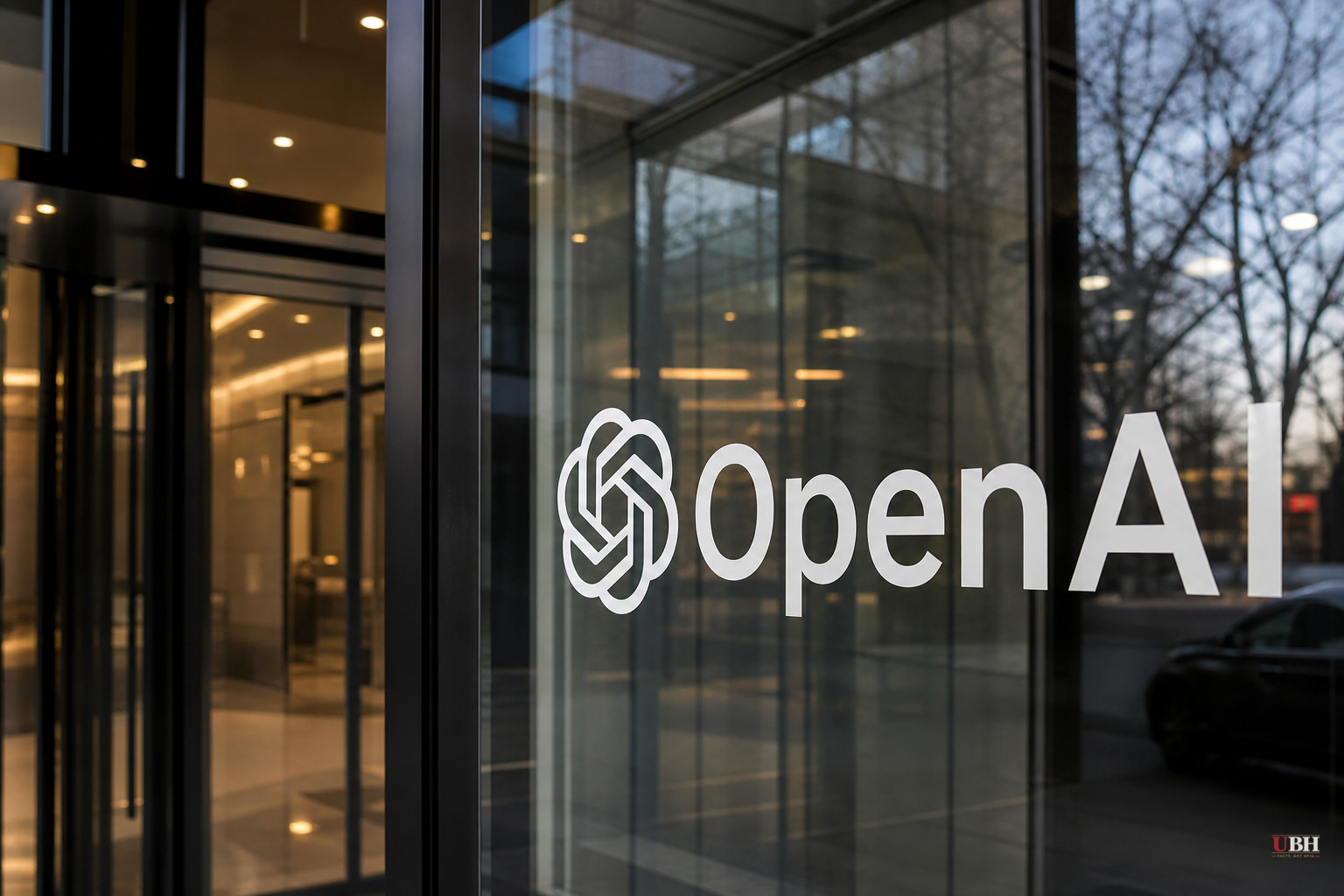
Since Brad Lightcap announced his exit on Tuesday, August 11, OpenAI has lost a second senior executive in the same week. Chief Revenue Officer Denise Dresser confirmed on LinkedIn on Thursday, August 13, that she's leaving "in the coming weeks," ending a tenure that lasted roughly eight months.
OpenAI wasted no time naming a replacement. Dali Rajic, former president and COO of cybersecurity firm Wiz, takes over as CRO. Wiz was acquired by Google for $32 billion earlier this year, according to CNBC.
Dresser's exit isn't an isolated event. The latest in a run of departures includes Lightcap, an eight-year OpenAI veteran who helped build the company's finance, legal, HR, and partnerships functions from scratch, according to Yahoo Finance and Herald Business. Fidji Simo, who ran OpenAI's product and business division, stepped back in July to focus on treatment for a "severe exacerbation of a chronic illness," per CNBC. Ethics lead Chloe Bakalar, safety systems chief Johannes Heidecke, and chief futurist Joshua Achiam all left in July too. Research leads Kevin Weil and Bill Peebles, along with marketing chief Kate Rouch, exited back in April.
That's roughly eight senior names off the roster in under five months, by count across CNBC, Yahoo Finance, and the Epoch Times.
The company's version of events
OpenAI credited Dresser with building a strong revenue team and expanding relationships with enterprise customers during what it called a "formative period." Brockman, OpenAI's president, said in a statement that Rajic will "turn what we've learned into repeatable execution as we build out the full system to make AI broadly useful for people and businesses."
The numbers show real growth on Dresser's watch. OpenAI's business customer base has more than doubled over the past year, from one million to more than two million companies, according to the Los Angeles Times. The company is scaling fast enough to strain any leadership team.
Lightcap, for his part, framed his own departure in personal terms, not as a break with the company. "Sitting here today, mission success feels within sight," he wrote on X. "It has been the honor of my life to help bring us to this point." He said he plans to "start something new," and Herald Business reported his comments suggest his next venture could be AGI-related.
The other read: a red flag before the IPO
Not everyone is buying the routine-turnover explanation. Kevin McCormick, founder of AI startup SignAudit.AI, called the pattern "a huge red flag" in a post on X cited by both CNBC and the Epoch Times. His specific concern: if departing executives "aren't being 'made whole' by the next company, it's bad news for OpenAI" — meaning Dresser likely walked away from a substantial unvested pay package rather than negotiate an exit deal, which is unusual timing for someone about to sit on the cusp of a historic IPO payout.
Jeff Park, a partner at asset management firm ParaFi, put it more bluntly on X, per Yahoo Finance: "It is just not that typical to have so many executives depart before their long awaited IPO. Unless…"
Executives with equity tied to a pending IPO have every financial incentive to stick around for the payout. When several leave anyway, in a short window, before the company has even confirmed a listing date, it's reasonable to ask why. CNBC reported that two current OpenAI investors, speaking anonymously, said they were surprised by Dresser's announcement — meaning even people with money on the line weren't given advance warning.
At the same time, the stated reasons for several departures — Simo's illness, Rouch's cancer recovery, Lightcap's stated desire to build something new after eight years — are specific and don't fit a single narrative of investors fleeing a sinking ship. Turnover this concentrated could reflect ordinary founder fatigue at a company that's grown at breakneck speed, or it could reflect real friction inside OpenAI's C-suite. Both explanations are plausible. Neither is proven.
Where the IPO actually stands
OpenAI confidentially filed a draft IPO prospectus with the SEC in June, seeking a valuation around $852 billion, according to the Epoch Times. No offering size, share price, or date has been made public because the filing remains confidential.
Paul Meeks, head of technology research at Freedom Capital Markets, told the Epoch Times that OpenAI could be pushing its IPO into next year rather than debuting alongside Anthropic as many expected. On the prediction market Myriad, cited by Yahoo Finance, bettors currently put the odds at nearly 85% that Anthropic goes public before OpenAI does.
None of the outlets in this story report any SEC inquiry, delay order, or regulatory action tied to the executive departures. The turnover is a governance and market-confidence story right now, not a legal one. Whether Rajic can stabilize the C-suite before any listing, and whether more departures follow, remains the open question investors are watching for.
Sources used for this briefing
7 links from 7 independent newsrooms (syndicated copies of the same report count once)
These are the sources it draws on, linked so you can verify.


