
Unbiased headlines. Facts, not spin.
Unbiased Headlines is an independently owned news organization. We bring you the facts, not opinions, written fresh from 110+ named sources. Sources linked so you can verify it yourself.
 tech
Notable (5/10)
tech
Notable (5/10)
Elon Musk's xAI Scores Dirtiest Among Eight Major AI Companies on New Emissions Tracker
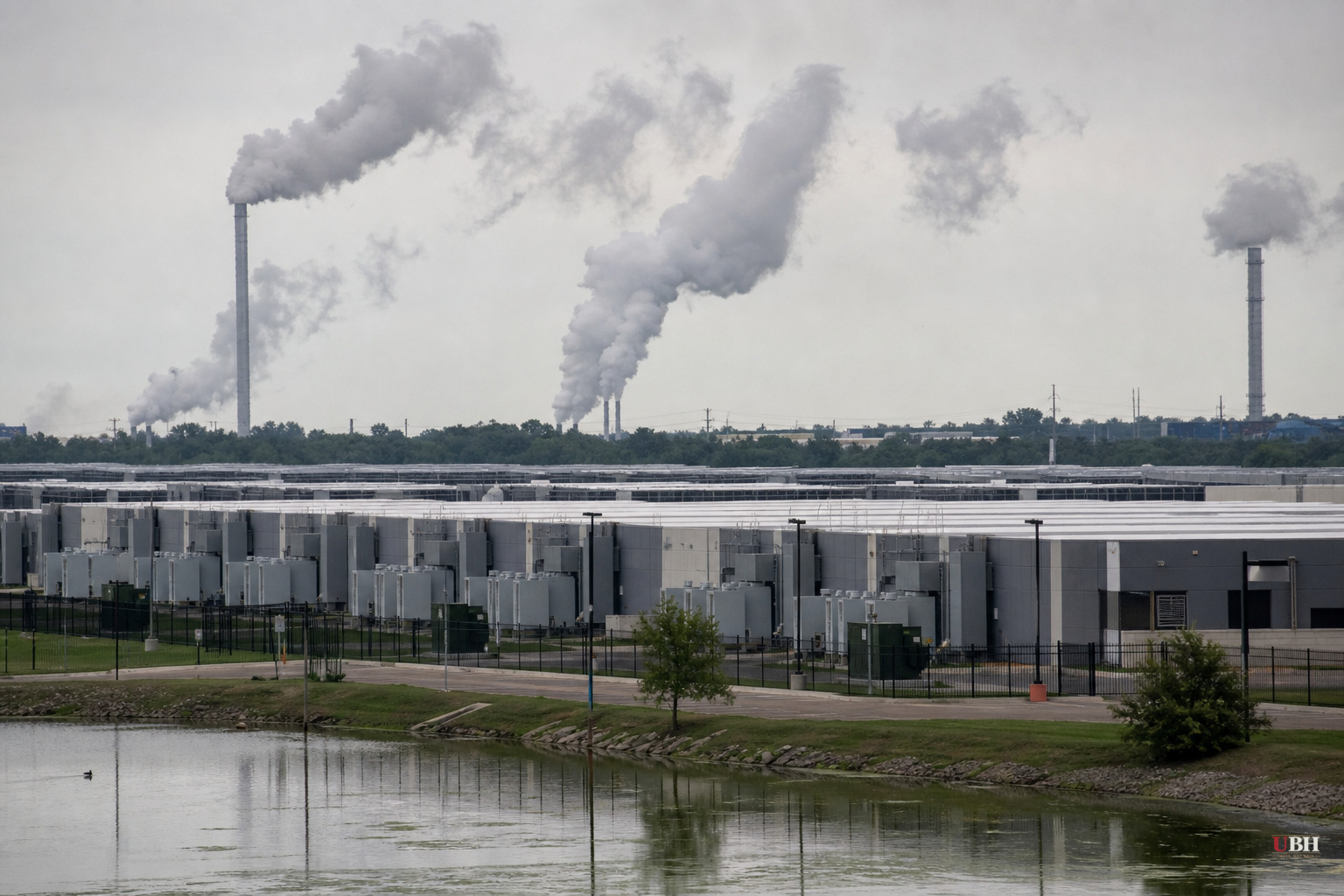
Every major tech company that made big carbon-neutral promises a few years back is now backsliding, and one company is backsliding harder than the rest.
That's the picture from a new Data Center Air Pollution Tracker built by Climate Power, a climate communications nonprofit. The tracker rates eight of the biggest AI and cloud computing firms on a 0-to-100 scale, where 100 means a company runs entirely on clean, grid-connected power from the cleanest electrical grids in the world. As of August 13, Elon Musk's xAI scored a 6. Amazon, the highest-rated company, scored 68.
According to OilPrice.com, xAI is "nearly ten times dirtier" than the next worst performer, Oracle, which scored 57. Trellis, using data currency of July 24, put Oracle slightly lower and Anthropic and OpenAI in between, but the core finding was identical across both outlets: xAI is in a different category of pollution entirely.
How the Score Works
Climate Power's methodology weighs two factors equally, according to Trellis. The first is whether a company's data centers burn natural gas on-site, described as "behind-the-meter" generation, rather than pulling power from the regular electrical grid. The second is how clean the local grid is wherever a company's data centers are located, measured in pounds of carbon dioxide per megawatt-hour. A grid producing 200 lbs. CO2/MWh counts as clean; one producing 1,000 lbs. counts as dirty.
xAI's rock-bottom score comes from the fact that, per Trellis, all of the company's tracked projects rely on behind-the-meter gas generation, averaging 898 lbs. of CO2 per megawatt-hour. The company's Colossus data center in Memphis, Tennessee, uses gas turbines that Trellis reports are "largely unregulated" and smog-producing.
xAI has not issued a public response to the tracker's findings in the sources reviewed for this story, and the company has not published its own emissions accounting that would allow an independent comparison.
Amazon's Gas Plant, and the Gap Between Words and Actions
Amazon leads the pack on this particular scorecard, but that doesn't mean it's clean. The company is currently building a gas-fired power plant in Texas that, according to a New York Times report cited by OilPrice.com, would be permitted to release 33 million tons of carbon dioxide a year if built as designed. The Times called it, potentially, the single-biggest source of power-related emissions from any power plant in the country.
Amazon spokeswoman Margaret Callahan told the Times that "the world looks different now than when we co-founded the climate pledge," but insisted the company's "commitment hasn't changed." A 33-million-ton gas plant contradicts that position, and OilPrice.com was right to flag the disconnect.
The backsliding isn't unique to Amazon. Amazon pledged carbon neutrality by 2040 back in 2019. Google and Microsoft followed in 2020 with pledges to go fully carbon-free by 2030. Six years later, according to OilPrice.com, all three companies are seeing emissions rise by double-digit percentages as they race to build data centers to run AI models.
The Rest of the Field
Behind Amazon and ahead of xAI and Oracle, the field is fairly bunched. Trellis reports Microsoft at 64, Google and Meta both at 61, and Anthropic and OpenAI at 59 and 56 respectively. OilPrice.com's snapshot, taken about three weeks later on August 13, shows slightly different numbers for some of these companies, including OpenAI at 60 and Anthropic at 62, which is consistent with Climate Power's stated practice of updating the tracker daily as new data centers come online or shift power sources.
AI data centers use enormous amounts of electricity, and the U.S. grid can't keep up with demand through clean sources alone. Trellis cites an estimate that data centers could consume 194 gigawatts by 2035, about 20% of total U.S. power production.
Critics of the current build-out, including Climate Power, argue that federal policy is steering this expansion toward fossil fuels rather than clean generation. Trellis reports that the Trump administration is "encouraging the use of new coal and natural gas" to power data centers rather than renewable sources, and cites Climate Power polling from June suggesting voters would prefer data centers powered by cleaner energy.
Renewable buildout at the scale AI companies need takes years, faces permitting and transmission bottlenecks, and can't reliably deliver the 24/7 baseload power that a data center running around the clock requires. Natural gas plants can be built faster and run continuously, which is part of why tech companies keep choosing them over solar or wind farms that depend on weather and battery storage that isn't yet cheap or plentiful enough. Whether that tradeoff is worth the emissions, as opposed to nuclear or grid upgrades, is a genuinely contested policy question, not a settled one.
None of the eight companies tracked here have publicly disputed Climate Power's methodology or numbers as of this writing. The tracker updates daily, meaning xAI's score, and everyone else's, could shift as new data centers come online or as companies quietly announce or abandon supplemental clean-power purchases.
Sources used for this briefing
2 links from 2 independent newsrooms (syndicated copies of the same report count once)
These are the sources it draws on, linked so you can verify.


