
Unbiased headlines. Facts, not spin.
Every story is an unbiased news briefing written from 110+ sources across the spectrum — sources linked so you can verify it yourself.
 finance
Low Interest (4/10)
August 16, 2026 at 10:29 AM
finance
Low Interest (4/10)
August 16, 2026 at 10:29 AM
One Memory ETF Put a Quarter of Its $27 Billion in a Single Chip Stock
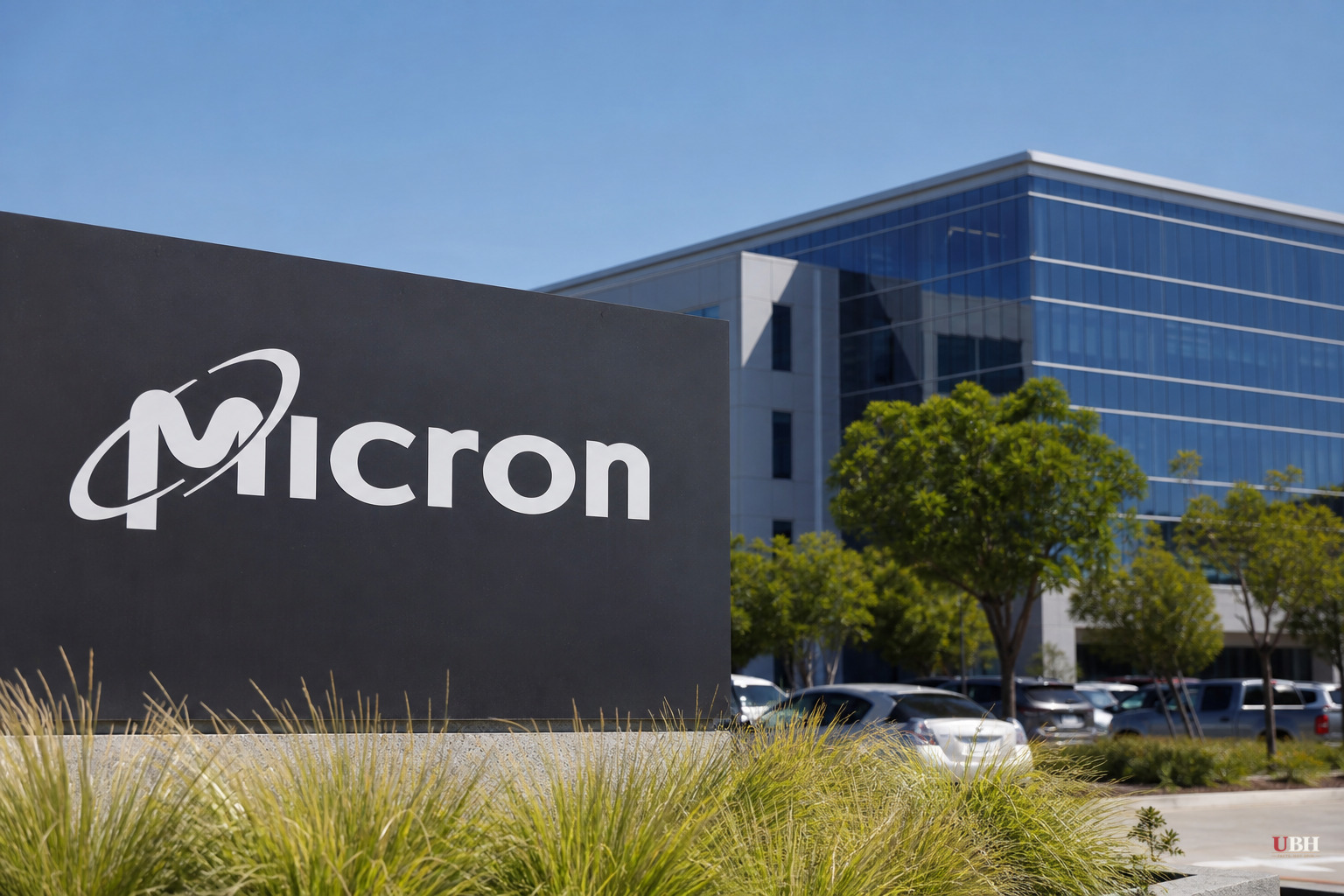
A five-month-old ETF is now managing more than $27 billion, and a quarter of that money rides on one company.
The Roundhill Memory ETF, ticker DRAM, launched April 2, 2026. It has returned roughly 161.51% since inception, according to Crypto Briefing. The Motley Fool put the fund's return at 80% over a similar stretch, a discrepancy likely tied to when each outlet pulled its numbers, but both agree on the basic story: this fund has delivered strong returns.
The fund bets on companies that get at least half their revenue from memory chips. That means DRAM, NAND flash, solid-state drives, hard disk drives, and the high-bandwidth memory modules now packed into Nvidia's AI data center GPUs.
Micron Technology is the biggest name in the portfolio. Crypto Briefing put its weighting at 25.42% as of mid-August. The Motley Fool cited Roundhill Investments data putting it at 26.02% as of August 10, 2026. Either way, roughly a quarter of a $27 billion fund sits in one stock.
It gets more concentrated from there. Samsung Electronics accounts for 24.57% of the portfolio and SK Hynix for 20.37%, according to Roundhill Investments data cited by The Motley Fool. Add it up: three companies make up 70.9% of a 24-stock fund.
Why Micron, specifically
Micron is the only U.S.-headquartered company among the three dominant memory makers. Crypto Briefing frames that as a strategic edge given the current geopolitical climate, where reliance on South Korean and other foreign chipmakers carries more political risk for U.S. data center buyers and policymakers.
The underlying demand story is straightforward. Data centers need HBM chips to keep AI processors fed with data during training and inference. The Motley Fool reports that suppliers have been cutting manufacturing capacity in other memory segments to prioritize HBM production, creating a shortage across the board and letting Micron, Samsung, and SK Hynix dictate prices.
Micron's HBM4 chips deliver 60% higher performance than the prior HBM3 generation and use 20% less energy, according to The Motley Fool. Nvidia is reportedly sourcing HBM4 from all three suppliers for its new Vera Rubin systems, now described as the standard for AI data center builds.
The payoff has been real. Micron stock is up over 600% over the trailing 12 months, according to Motley Fool data from YCharts.
The risk nobody should ignore
If you buy DRAM, a quarter of your money is a direct bet on Micron's next few earnings reports. Crypto Briefing lays out the downside bluntly: a disappointing quarter, a miss on HBM yields, or a pricing downturn in Micron's conventional DRAM business would hit the fund disproportionately hard.
Concentration risk is a basic principle of portfolio construction. Diversification exists precisely to prevent one company's bad quarter from wrecking your holdings. An ETF advertising itself as diversified across 24 stocks, while parking 71% of assets in three names, is arguably not offering the diversification investors might assume they're getting when they see "ETF" on the label.
Crypto Briefing also raises a subtler issue: the fund's own size may be distorting the price action it's riding. When $27 billion in fresh money floods into a concentrated basket of stocks over five months, the fund's inflows can push prices higher, which then attracts more inflows chasing the return. That's not fraud or manipulation, it's just how flows work in a narrow-float trade, but it means some of DRAM's eye-popping return may reflect the fund's own buying pressure rather than pure fundamentals.
Roundhill isn't hiding the bet. It's leaning into it. On June 24, 2026, the firm launched a leveraged version called RAM, designed to amplify the daily returns of the same memory-chip basket, according to Crypto Briefing. Roundhill charges a 0.65% expense ratio on DRAM, and the fund's share price recently traded around $57.
Neither source reports any SEC action, investor complaint, or regulatory inquiry into the fund's concentration levels. This is a disclosed, plain-vanilla thematic ETF operating within normal fund structure rules. Nothing here suggests wrongdoing.
The open question is timing. Micron, Samsung, and SK Hynix are all racing to ramp HBM4 production to meet Nvidia's Vera Rubin demand, per The Motley Fool. Whether that shortage-driven pricing power holds up, or whether memory supply catches up with AI demand and prices normalize, will determine whether DRAM's 26% Micron bet keeps paying off or becomes the fund's biggest liability.
Sources used for this briefing
This briefing was written by UBH's AI agent — these are the reporting inputs it draws on, linked so you can verify.


