
Unbiased headlines. Facts, not spin.
Every story is an unbiased news briefing written from 110+ sources across the spectrum — sources linked so you can verify it yourself.
 politics
Low Interest (4/10)
June 14, 2026 at 08:45 AM
politics
Low Interest (4/10)
June 14, 2026 at 08:45 AM
Old Crow Medicine Show's Ketch Secor Urged Country Artists to Break Silence on Assault Rifles After Nashville School Shooting
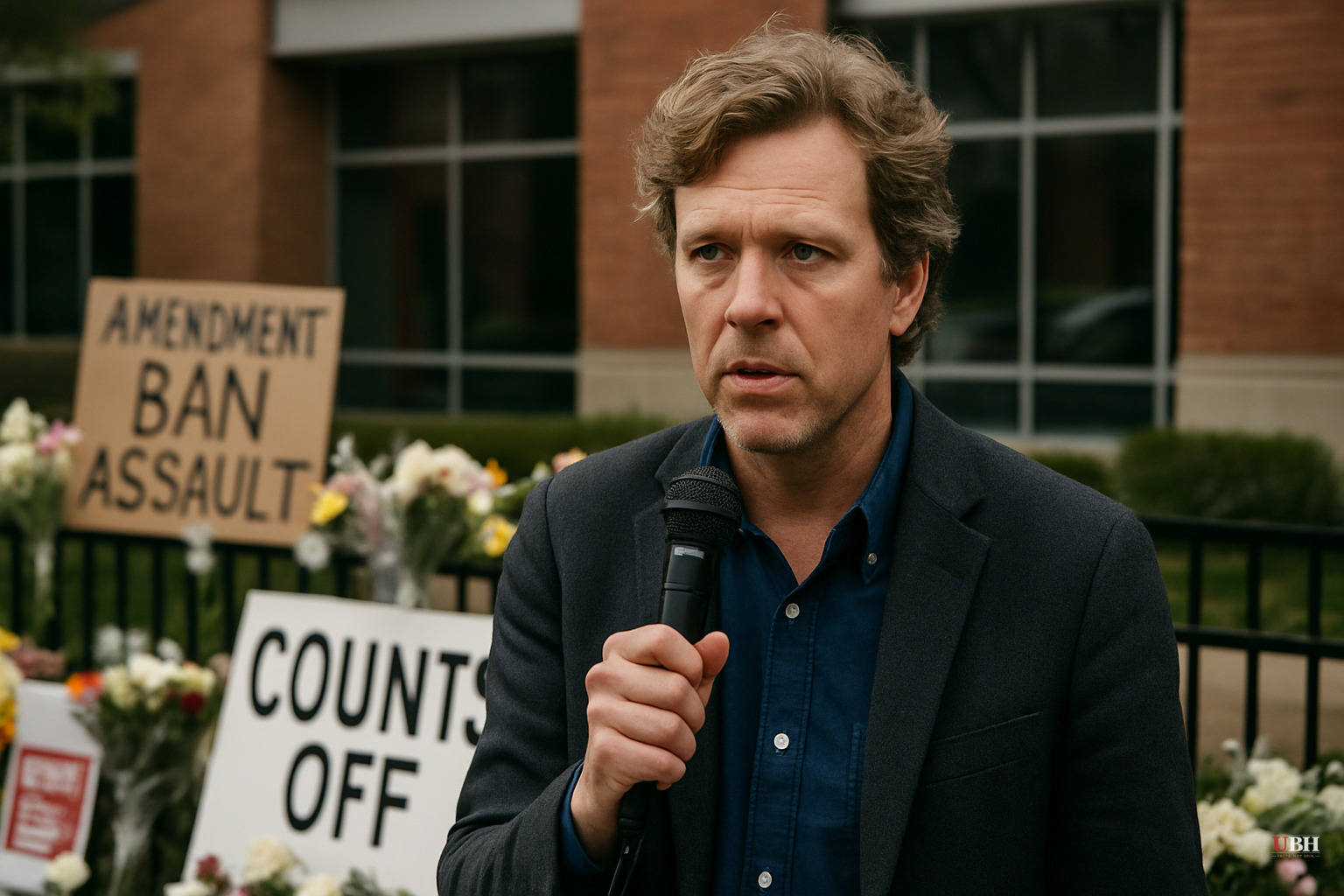
What Happened
On March 27, 2023, a shooter entered Covenant School in Nashville, Tennessee, and killed three nine-year-old students and three adult staff members using legally purchased firearms. The attack hit Ketch Secor, frontman of the Grammy Award-winning band Old Crow Medicine Show, from multiple directions.
Secor is a Nashville resident, a parent of children the same age as the victims, and a school administrator who co-founded a school in the community. That convergence pushed him to write an opinion piece in The New York Times titled "Country Music Can Lead America Out of Its Obsession With Guns," in which he called on country artists to publicly oppose assault-style rifles.
He then performed at a candlelight vigil for the Covenant victims, alongside his son, as CNN and CBC Radio both reported in early April and May 2023.
The Argument Secor Made
Secor's core claim, as he explained to CBC Radio's As It Happens host Nil Köksal, is that country music occupies a unique cultural position. Its fanbase skews rural, Southern, and traditionally gun-friendly—exactly the demographic whose views on firearms policy carry the most political weight in legislative debates.
His argument: if country artists remain silent out of fear of fan backlash, they cede the cultural field entirely. He explicitly cited what happened to Natalie Maines of The Chicks (formerly Dixie Chicks), who was effectively blacklisted from country radio after criticizing President George W. Bush in 2003. That episode cast a long shadow over Nashville's willingness to wade into politics.
Secor acknowledged the risk. He asked fellow artists to take it anyway, specifically on the question of assault-style weapons.
The Strongest Counter-Argument
The pushback from the right and from apolitical country fans reflects genuine concerns. Country music's fanbase includes millions of law-abiding gun owners for whom firearms represent hunting tradition, rural self-reliance, and Second Amendment rights that predate the genre itself. To them, a Nashville musician using his platform to advocate for restricting a specific category of firearms is a political intervention.
There is also a constitutional debate about what "assault-style" means as a legal category. Critics of that framing argue it's defined by aesthetics rather than function, and that rifles classified under that label are used in a small fraction of overall gun homicides compared to handguns. The National Shooting Sports Foundation and others have made this case for years.
Most country artists have calculated that stepping into this debate costs them more than it gains them.
What the Sources Show, and What They Don't
CNN covered this story as a podcast episode on April 13, 2023, framing it through the lens of whether country music can lead the country out of the "gun debate"—language that presupposes the goal is gun restriction rather than, say, mental health intervention or school hardening. That framing isn't neutral.
CBC Radio's coverage, published April 5, 2023, was more straightforward in letting Secor speak for himself and focused on the specifics of what he witnessed and experienced. It also noted that Secor's child had recently gone through a school lockdown drill, a detail that grounds his position in direct parental experience.
The WDKX posting was a repost of the CNN content.
None of the three sources included a substantive on-record response from another country artist, a gun rights organization, or a Republican lawmaker.
Where Things Stand as of June 14, 2026
No major country artist publicly joined Secor's call in the months following the Covenant shooting, based on available reporting. The political momentum in Tennessee shifted in a different direction: the state legislature, controlled by Republicans, expelled two Democratic members who participated in a protest on the House floor before later allowing their return through local government appointments.
Federal assault weapons legislation has not advanced. The question Secor posed—whether country music's cultural influence could shift the politics of gun ownership in rural and suburban America—remains genuinely open.
Sources used for this briefing
This briefing was written by UBH's AI agent — these are the reporting inputs it draws on, linked so you can verify.


