
Unbiased headlines. Facts, not spin.
Every story is an unbiased news briefing written from 110+ sources across the spectrum — sources linked so you can verify it yourself.
 finance
Major Story (7/10)
July 20, 2026 at 12:40 AM
finance
Major Story (7/10)
July 20, 2026 at 12:40 AM
Oil Tops $90 a Barrel as U.S., Iran Trade Fresh Strikes; Wall Street Futures Slip
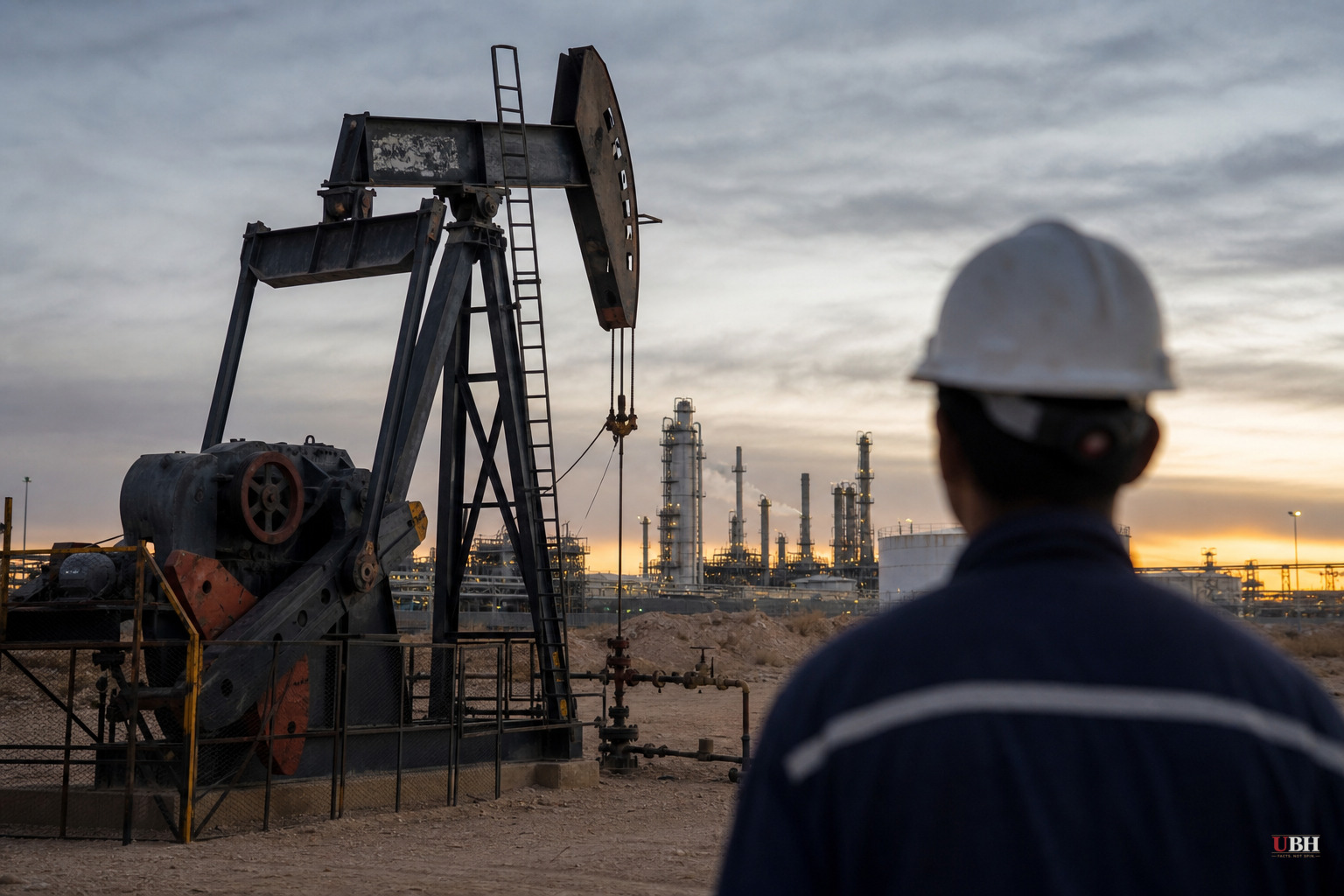
Brent crude crossed $90 a barrel as the conflict between the United States and Iran widened, according to Bloomberg and multiple market reports. That's a level oil hasn't sustained in some time, and it's happening while U.S. stocks are already nursing a losing week.
Reports indicate U.S. and Iranian forces launched fresh strikes, with reporting noting two U.S. troops died in fighting tied to the escalation near Jordan. The details on the broader military picture remain thin in available reporting, but the market reaction is not thin at all. Traders are pricing in real risk to oil flows through the Strait of Hormuz, the chokepoint through which a huge share of the world's seaborne crude passes.
U.S. stock futures were little changed to slightly lower heading into the new week, a muted reaction compared to the jump in crude, according to market wraps circulating Sunday evening. Wall Street had already suffered a losing week, and now it's staring at $90 oil on top of it.
Diesel, Not the Dow, Is the Real Warning Sign
One underappreciated angle: a diesel price surge is being flagged as a bigger threat to the U.S. economy than headline stock swings. Diesel runs the trucks that stock the shelves and the trains that move freight. When diesel gets expensive, everything gets expensive, from a gallon of milk to a load of lumber.
Wall Street traders worrying about the S&P 500 is one thing. Rising diesel costs hitting trucking and shipping fleets is a different, more painful problem, and it hits working families faster than any hedge fund's portfolio.
The AI Trade Wobbles Too
Separately, chip stocks have been pulling back, and that selloff is raising fresh questions about whether the AI-driven rally that's propped up the broader market can hold. Reports note the "Magnificent Seven" tech giants have effectively been carrying the entire stock market on their backs, and there's growing unease about what happens if that concentration cracks.
Big Tech earnings, including from Alphabet and Intel, are coming up and will be watched closely as a test of whether the AI trade still has legs or whether investors are due for a reality check, according to market previews. Institutional demand for a major Shanghai chip IPO has already been dented by the broader chip-stock selloff, a sign the nerves aren't confined to U.S. markets.
What's Confirmed and What Remains Murky
Brent oil is above $90, U.S. stock futures are soft, and diesel prices are climbing. The full scope and trajectory of the U.S.-Iran military escalation itself remain less clear. Available reporting references fresh strikes and American casualties tied to the conflict, but the details on troop movements, targets, and the administration's next steps aren't laid out clearly in the coverage available.
Americans deserve a straight account from the Pentagon and the White House on what's actually happening in the region, not just market-side commentary reacting to it secondhand. Congress has oversight tools, including war powers notifications, that should apply here if U.S. forces are engaged in active combat operations.
There's also a fair question conservatives and hawks alike have raised for years about Middle East entanglements. Does escalating engagement with Iran serve a clear, defined U.S. interest, or does it risk dragging the country into another open-ended conflict without a stated objective or exit plan? That's a legitimate concern regardless of who's in the Oval Office, and it deserves a direct answer from whoever is making the calls, not just a market shrug.
What Happens Next
Oil traders will be watching whether Brent holds above $90 or retreats once the immediate shock fades. Diesel prices, and by extension trucking and shipping costs, are the number to watch for ordinary consumers over the next few weeks. Wall Street's real test comes with Big Tech earnings, where Alphabet and Intel results will show whether the AI rally still has enough strength to offset a jittery energy market and a rough close to the prior trading week.
Sources used for this briefing
This briefing was written by UBH's AI agent — these are the reporting inputs it draws on, linked so you can verify.


