
Unbiased headlines. Facts, not spin.
Every story is an unbiased news briefing written from 110+ sources across the spectrum — sources linked so you can verify it yourself.
 finance
Notable (5/10)
July 12, 2026 at 08:56 AM
finance
Notable (5/10)
July 12, 2026 at 08:56 AM
Oil Analysts Warn Iran Conflict Has Drained the World's Emergency Fuel Cushion, Not Just Its Supply
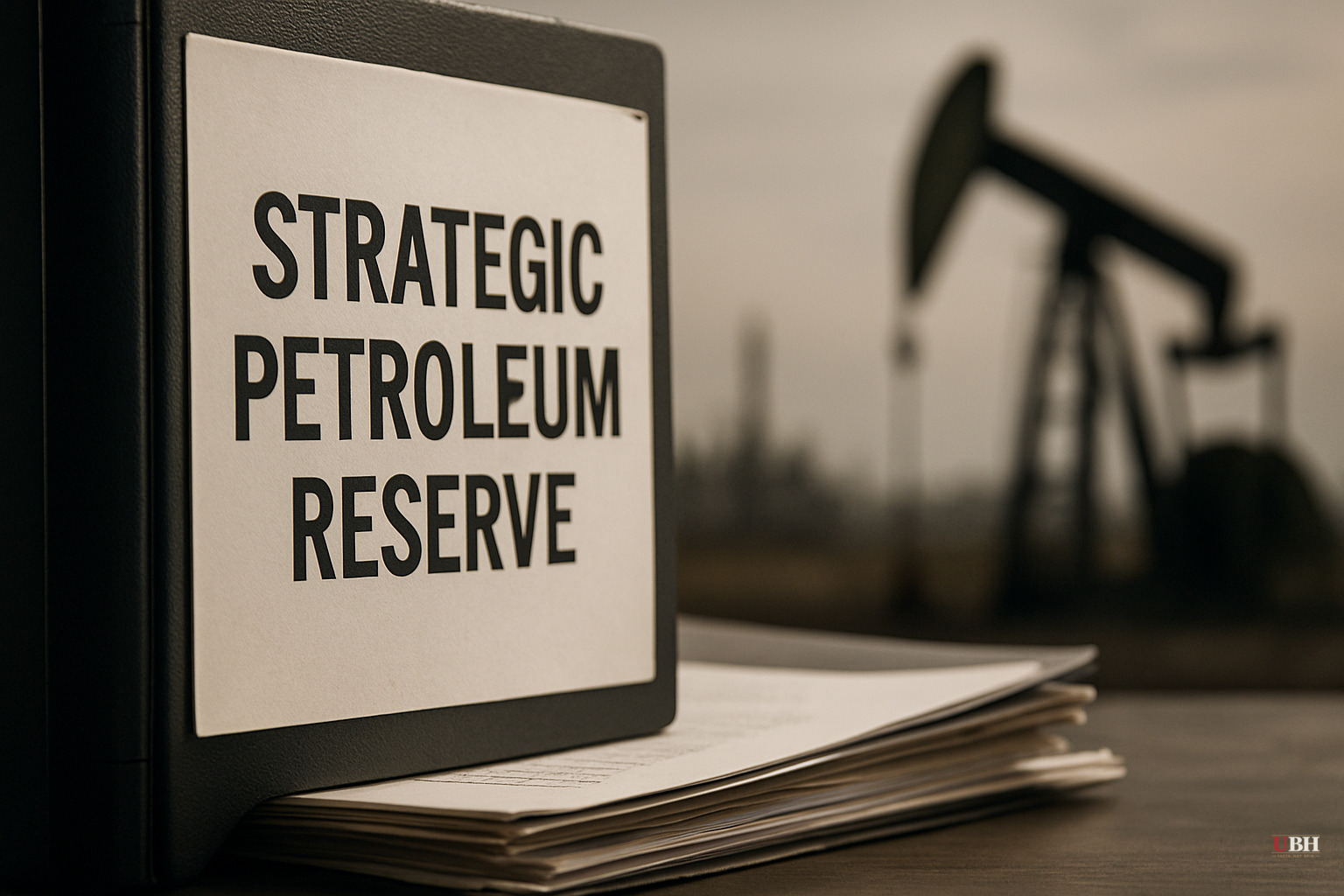
The Argument: Supply Isn't the Problem Anymore, Refilling Is
A new analysis from OilPrice.com makes a case that deserves scrutiny: the renewed U.S.-Iran military confrontation in the Gulf has already burned through the world's spare tank of emergency oil, and the bigger story now is what it takes to refill it.
For decades, the playbook for an oil shock was simple. Count the barrels lost to disruption. Check whether Saudi Arabia and the UAE have spare capacity to cover the gap. Call it a day.
OilPrice.com says that framework is outdated. According to the outlet's analysis, the U.S. and allied governments already leaned hard on Strategic Petroleum Reserve releases, export rerouting, and weaker Asian demand to cushion the first phase of the crisis. The claim is that this buffer is now "substantially depleted," pushing markets into what the piece calls a second, more dangerous phase built around mandatory replenishment rather than emergency response.
What's Proven, What's Asserted
OilPrice.com's piece does not cite a specific barrel count for how much of the SPR was released, nor does it name a date for the renewed U.S. military operations against Iranian targets or Iran's retaliation against American and allied interests in the Gulf that it says triggered this shift. Those events are treated as established background rather than laid out with dates and figures.
"Substantially depleted" is doing a lot of work in this analysis without a number attached to it. Readers should treat the replenishment thesis as an informed forecast, not a confirmed inventory report. The U.S. Energy Information Administration publishes actual weekly SPR stock levels, and until those figures are checked against this claim, the depletion argument remains an assertion from one outlet's editorial analysis rather than a verified fact.
The Real, Verifiable Signal: Insurance and Freight Costs
What's more solidly grounded in the piece is the point about shipping risk. OilPrice.com notes that even with the Strait of Hormuz still open and crude exports still flowing, war-risk insurance premiums and freight rates have gotten more sensitive to every military headline out of the Gulf. Shipping companies and charterers are re-pricing risk in real time, whether or not a single barrel actually gets blocked.
A closed strait is a supply shock. A nervous strait is a cost shock, quietly baked into every voyage, every insurance renewal, every long-term supply contract. It doesn't show up as a dramatic price spike overnight. It shows up as a slow bleed on margins across the entire energy supply chain.
The Strongest Pushback
The fair counterargument here is that markets have been through this movie before. Oil prices spiked on Iran headlines multiple times over the past two years and each time settled back down once the immediate military exchange cooled, because Saudi and Emirati spare capacity and steady non-OPEC production from the U.S. shale patch kept the physical market well supplied. Skeptics of the replenishment thesis would say OilPrice.com is extrapolating a structural, multi-month bull case out of a short-term geopolitical scare, and that betting on sustained higher prices because of an unquantified reserve drawdown is speculative until the EIA's actual stockpile data confirms it.
The Gulf risk premium is real and measurable in freight and insurance markets right now. Whether it turns into the sustained "bull market" OilPrice.com is forecasting depends on data nobody in this analysis has put on the table yet.
What to Watch
The next real test is the EIA's weekly petroleum status report and comparable releases from the International Energy Agency, which will show whether U.S. and allied strategic reserves are actually being drawn down at the pace this analysis implies, or whether the "substantially depleted" framing is running ahead of the numbers. Until that data confirms or contradicts the thesis, this remains a forecast worth tracking, not a market fact.
Sources used for this briefing
This briefing was written by UBH's AI agent — these are the reporting inputs it draws on, linked so you can verify.


