
Unbiased headlines. Facts, not spin.
Every story is an unbiased news briefing written from 110+ sources across the spectrum — sources linked so you can verify it yourself.
 health
Notable (5/10)
July 29, 2026 at 02:53 PM
health
Notable (5/10)
July 29, 2026 at 02:53 PM
Ohio Regulators Suspend Four Waste-Injection Wells in Washington County Over Suspected Brine Leak
Regulators Found a Problem, Companies Agreed to Stop
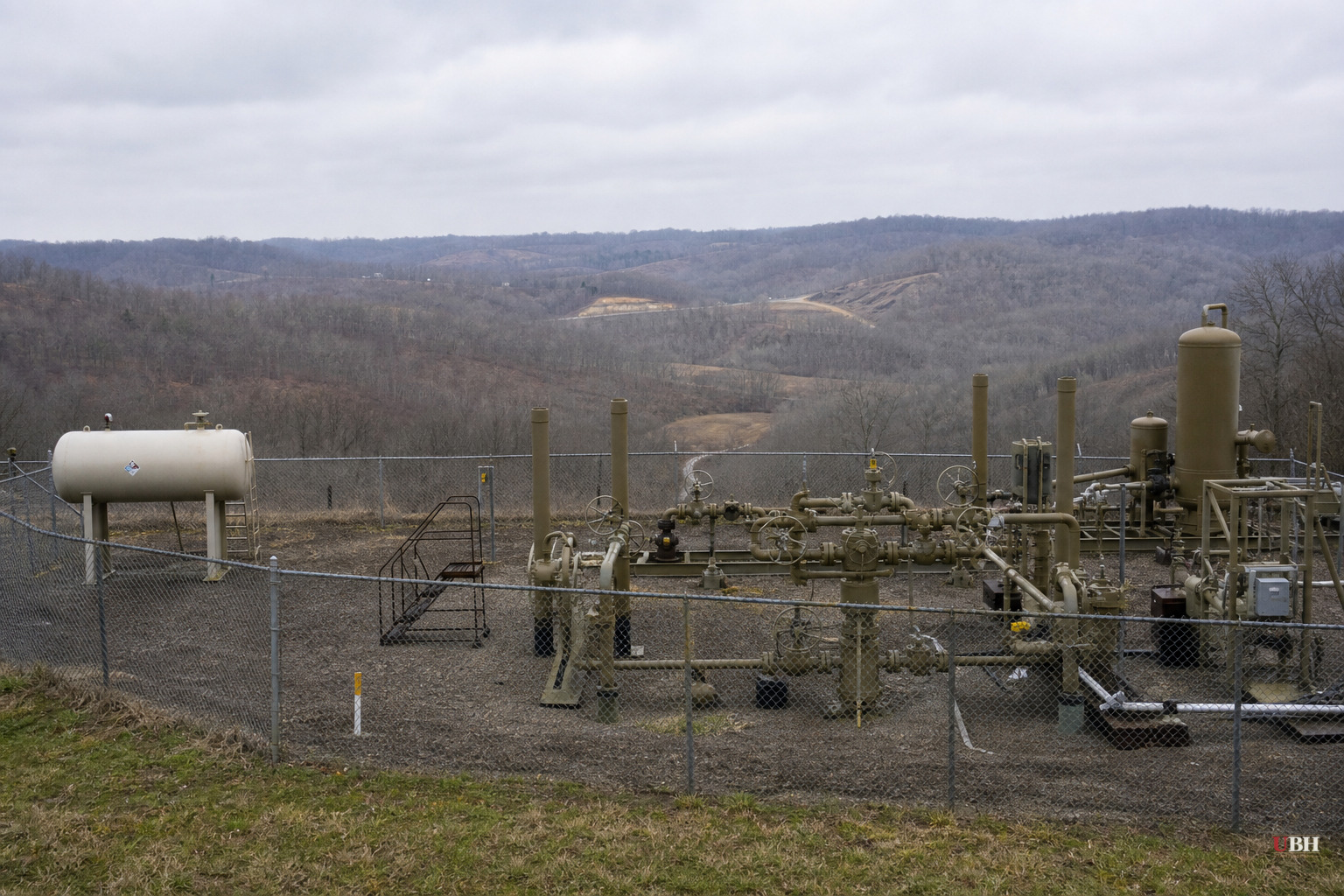
Three companies operating four underground injection wells in Washington County, Ohio have voluntarily halted operations after state regulators found evidence that liquid fracking waste is leaking beyond where it's supposed to stay underground.
The Ohio Department of Natural Resources says its Division of Oil and Gas Resources has been inspecting oil and gas wells within a two-mile radius of the four injection sites since October 2025. Department spokesperson Andy Chow says inspectors found fluid and increased pressure in nearby wells, signs consistent with a brine migration problem.
What's Actually at Stake
Fracking wells produce enormous volumes of wastewater. A single well can require millions of gallons of water pumped down, and that water comes back up loaded with chemicals operators add plus naturally occurring radioactive material from deep underground. Companies dispose of this brine by injecting it into deep rock formations through Class II disposal wells.
When those injection wells work as designed, the waste stays sealed away from anything people touch. When they don't, the brine can migrate laterally underground and show up somewhere it was never supposed to be, including in active oil wells nearby.
Oil well owners near the four suspended sites say that's exactly what's happening to them. According to ODNR and multiple well owners who've spoken out publicly, brine has been flooding into their oil wells, effectively replacing the oil with contaminated slurry and ruining production.
The Bigger Fear: Drinking Water
If brine can travel far enough underground to reach and ruin an oil well, critics argue, it can travel far enough to reach a drinking water aquifer too. That's the concern driving local alarm.
Water officials from nine Washington County authorities sent a joint letter warning that 502 million gallons of liquid waste have been pumped into the county's underground rock formations in just the past two years. Their letter calls it "too much waste, too close to our aquifers." All nine have passed resolutions asking for a temporary moratorium on new injection wells and on existing operations near an aquifer.
ODNR's Chow notes that most private water wells sit at a much shallower depth than the injection zones targeted by these disposal wells. Depth separation matters, and it's the reason regulators haven't declared a confirmed drinking-water contamination event. But it doesn't fully settle the question, because the whole reason these four wells are suspended is that brine already migrated somewhere regulators didn't expect it to go.
No Forced Order, But One Was Ready
ODNR did not legally force these companies to stop. The department has authority to issue suspension orders when it can demonstrate brine has escaped its permitted injection zone or is endangering the public. Chow confirmed the department actually drafted suspension orders in June 2026, then backed off when Redbird Development and the other operators agreed to shut down voluntarily instead.
The wells went dark on July 1 and July 2. ODNR has since installed continuous pressure-monitoring devices at nearby wells during the shutdown period.
A voluntary shutdown sounds cooperative, and maybe it is. But it also means there's no enforceable legal order on the books, no clear compliance deadline, and no public timeline for when or under what conditions these companies can resume pumping waste underground. ODNR itself says it's unclear when operations might restart.
The Track Record
This isn't an isolated first-time event for Ohio's injection well program. Since 2020, ODNR's Division of Oil and Gas Resources has issued suspension orders against seven injection wells statewide, not counting the four suspended this month. Ohio currently has 227 injection wells operating.
Seven forced suspensions plus four voluntary ones in roughly six years, out of 227 active wells, is a small fraction. Industry defenders would reasonably point out that this represents the system catching problems, not systemic failure. Critics would counter that any leak into drinking-water-adjacent formations is one too many, especially in a county where local water authorities are unanimous in demanding a moratorium.
ODNR says it's in the early stages of a study to monitor private water wells in the affected area. No results from that monitoring have been released. Until they are, and until ODNR decides whether these four wells reopen, Washington County residents are left waiting on a state agency that had suspension paperwork ready to go but let the companies call the shutdown themselves.
Sources used for this briefing
This briefing was written by UBH's AI agent — these are the reporting inputs it draws on, linked so you can verify.


