
Original briefings. Zero spin.
Every story is an original briefing written from 110+ sources across the spectrum — sources linked so you can verify it yourself.
 economy
Notable (6/10)
Event date: August 14, 2026 at 10:04 PM
economy
Notable (6/10)
Event date: August 14, 2026 at 10:04 PM
Ohio Man Pleads Guilty in $1.42 Billion Medicare Fraud Scheme Run Out of Russia
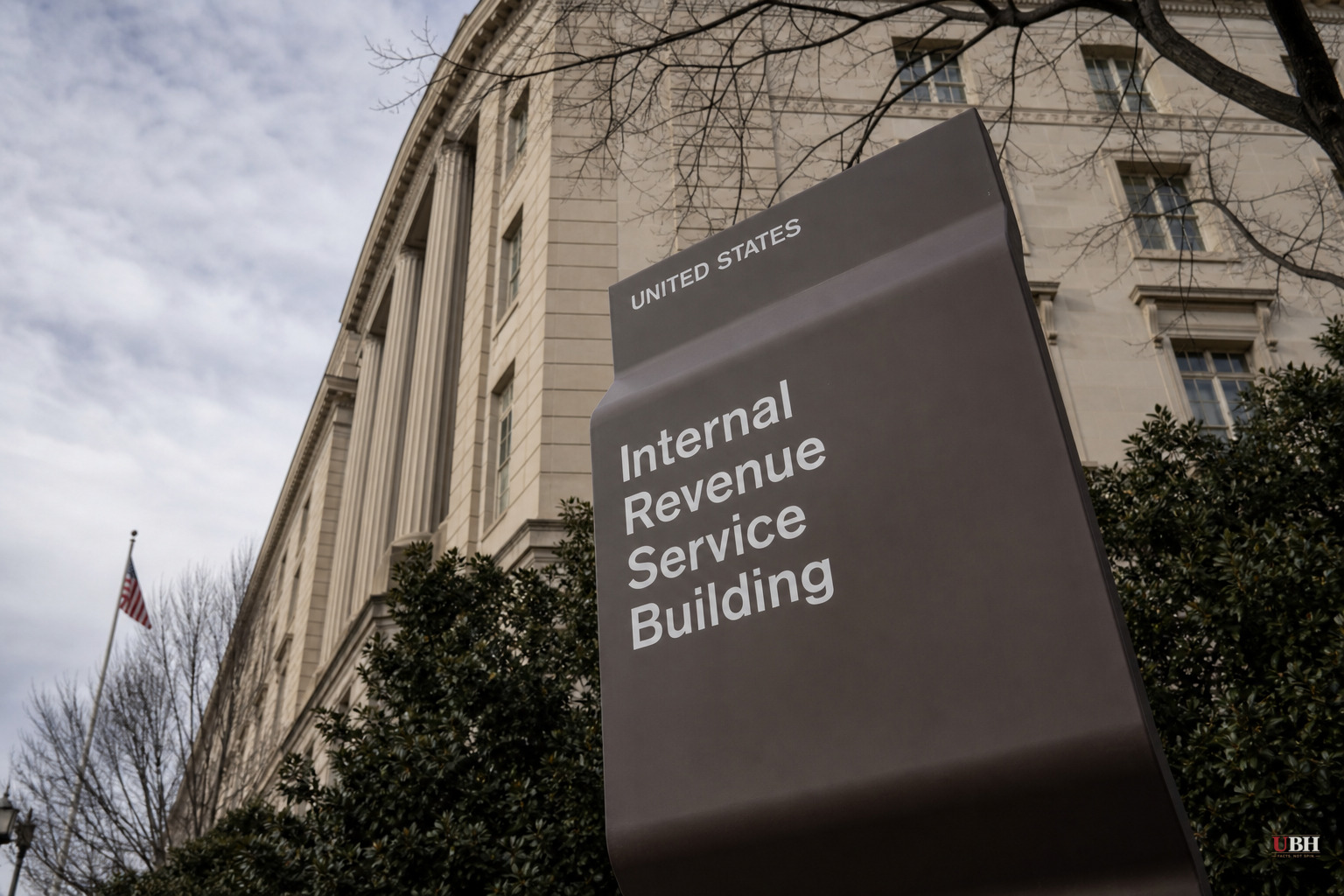
Eldar Zarbavel, 45, of Pepper Pike, Ohio, pleaded guilty to one count of money laundering for his role in what the Justice Department calls the largest health care fraud case it has ever prosecuted, according to a DOJ news release. He admitted to laundering roughly $3.4 million in fraud proceeds through multiple regional banks on behalf of a transnational criminal organization based in Russia and elsewhere.
The organization behind the scheme, uncovered through an investigation DOJ calls Operation Gold Rush, allegedly orchestrated a multibillion-dollar fraud targeting Medicare and private insurers. Zarbavel is the 16th person convicted in the case. Thirty-five people total have been charged, according to the Justice Department.
Zarbavel opened bank accounts in Northeast Ohio for Royce Medical Supply LLC, a Florida-based durable medical equipment company, according to court documents cited by DOJ. Between July 2022 and July 2024, the organization funneled $1.42 billion in false and fraudulent claims to Medicare and other insurers through that single company.
The Centers for Medicare and Medicaid Services caught most of it and suspended reimbursement on nearly all those claims. But some payments still went through. Between June and July 2024, Zarbavel moved about $3.4 million of those proceeds, at the direction of the organization, according to prosecutors.
DOJ says the organization used nominee owners backed by fake sale documents and fabricated corporate registration paperwork to make it look like legitimate people controlled these DME companies and their bank accounts. That's a beneficial-ownership shell game, built specifically to survive a bank's compliance checks.
Once the accounts were open, insurance reimbursement checks from Medicare and private carriers flowed in looking like clean money. Because the checks originated from real government and private insurance sources, the funds carried what DOJ called "the initial appearance of legitimacy." From there, the organization allegedly moved proceeds to shell companies and bank accounts overseas.
Prosecutors also allege the network coordinated directly with people working inside the banks themselves to get around internal fraud controls. If DOJ's allegations hold up, actual bank employees were compromised or complicit.
Zarbavel is scheduled to be sentenced Dec. 16, 2026, and faces a maximum of 20 years in prison, according to the Justice Department. HHS-OIG and the FBI investigated the case.
Where the coverage gets muddled
The Daily Signal, The Center Square, and a radio outlet republishing Center Square copy all reported that 45 people have been charged in the scheme. But the Justice Department's own release, along with AML Observatory and InsuranceNewsNet, which republished DOJ's language directly, put the number at 35 people charged, with Zarbavel as the 16th conviction. That's a meaningful discrepancy on a hard number, and it traces back to an error that got copied across multiple outlets citing the same DOJ release. The original Justice Department source material says 35.
There's a legitimate case for treating this story as bigger news than it's gotten. $1.42 billion in fraudulent claims through one shell company, run by an organization based overseas, using compromised bank insiders, represents a significant breach of Medicare and banking-system integrity. Critics of loose federal oversight over Medicare's DME reimbursement pipeline have a fair point: a program that let $1.42 billion in fake claims through before catching "nearly all" of them, while still paying out some, is a program with real gaps.
At the same time, the fact that CMS suspended reimbursement on nearly all the fraudulent claims does show the fraud-detection system worked to some degree. It didn't catch everything, but it clearly wasn't asleep at the wheel either. This is a system that succeeded partially against a sophisticated, foreign-based operation using nominee owners and insider bank contacts, not one that failed completely.
The bigger unresolved question is how deep the bank-insider cooperation went. DOJ's release says the organization "in some cases coordinated directly with associates employed at the banks" to bypass internal controls. No banks or bank employees have been named publicly in connection with these charges as of this writing, and DOJ has not announced any additional prosecutions of financial institution insiders. Whether those individuals face charges, and which banks were involved, remains an open thread as Operation Gold Rush continues.
Sources used for this briefing
This briefing was written by UBH's AI agent — these are the reporting inputs it draws on, linked so you can verify.


