
Original briefings. Zero spin.
Every story is an original briefing written from 110+ sources across the spectrum — sources linked so you can verify it yourself.
 economy
Notable (6/10)
August 19, 2026 at 03:38 PM
economy
Notable (6/10)
August 19, 2026 at 03:38 PM
Harvard to Pay $53 Million After Morgue Manager Stole and Sold Donated Body Parts
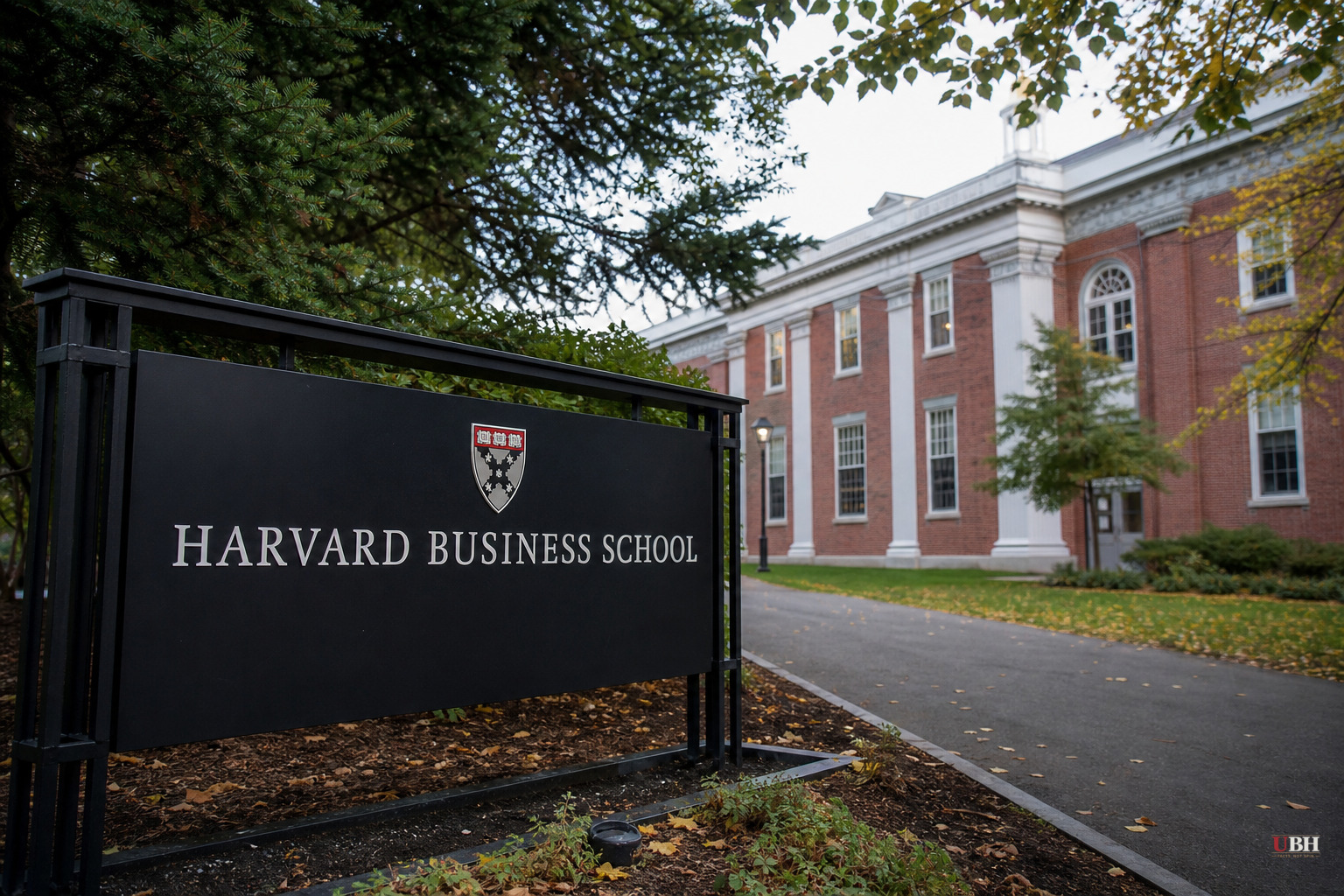
Harvard University will pay $53 million to settle lawsuits over one of the more grotesque scandals in the school's history: a morgue manager who spent years stealing body parts from donated cadavers and selling them like merchandise.
A Boston state court judge gave preliminary approval to the settlement on Tuesday, August 18, according to the Harvard Crimson, as reported by CBS News and Euronews. Harvard says distributing the money to affected families will take several months.
The money will fund two class action settlement funds. Families who donated loved ones' bodies to Harvard Medical School's Anatomical Gift Program, believing they'd be used for research and teaching before respectful cremation, sued the school for negligence, breach of fiduciary duty, and infliction of emotional distress. An initial class action estimated between 350 and 400 donated cadavers may have been affected, according to Forbes.
How It Happened
Cedric Lodge managed Harvard Medical School's morgue for nearly three decades before he was fired in 2023. Between 2018 and March 2020, according to federal prosecutors cited by Breitbart, Lodge stole heads, brains, skin, bones, and other remains from cadavers after they'd been used for teaching but before they were cremated as promised to donor families.
He transported the stolen remains from Boston to his home in Goffstown, New Hampshire, where he and his wife, Denise Lodge, sold them to buyers including Katrina Maclean and Joshua Taylor, according to the U.S. Attorney's Office for the Middle District of Pennsylvania, as reported by Patch. Prosecutors said Lodge even let Maclean and Taylor into the Harvard morgue to personally pick out which remains they wanted to buy.
Maclean ran a shop in Salem, Massachusetts called Kat's Creepy Creations, which advertised "creepy dolls, oddities, and bone art" on Instagram. One post read, "If you're in the market for human bones hit me up," according to CBS News Boston reporting cited by CBS News.
Maclean sold remains on to other buyers, including Jeremy Pauley in Pennsylvania, who was separately charged in 2022. Investigators later connected the Harvard scheme to a similar case out of Little Rock, Arkansas, where Candace Chapman Scott stole remains from a mortuary and crematorium and sold them to the same network, Forbes reported.
Cedric Lodge pleaded guilty to interstate transportation of stolen goods and was sentenced in December to eight years in federal prison. Denise Lodge got one year. Katrina Maclean was sentenced Tuesday to 24 months in federal prison, according to Patch. At least seven other defendants across the network have pleaded guilty and been sentenced, ranging from six months to 15 years, per Justice Department records cited by Forbes.
Harvard Fought This Before It Settled
Harvard did not volunteer to make things right the moment the scandal broke. A lower court initially dismissed the families' lawsuit against Harvard. The Massachusetts Supreme Judicial Court overturned that dismissal in October 2025, ruling the families had a legitimate claim that Harvard failed to act in good faith.
Justice Scott Kafker stated in that ruling: "Instead of the dignified treatment and disposal of human remains required... the donors' remains were ghoulishly dismembered and sold for profit under the most horrifying of circumstances," according to the Epoch Times. "This horrific and undignified treatment continued for years and involved numerous donors."
That ruling forced Harvard back to the table. One of the wealthiest universities in the country needed a state supreme court to tell it families deserved their day in court, rather than settling the moment the scale of Lodge's four-year scheme became clear.
Harvard Medical School Dean George Daley and Dean for Medical Education Bernard Chang say the school had no knowledge of what Lodge was doing. "His violations... were despicable, abhorrent, and a flagrant betrayal of our values as a medical community," they wrote in a joint letter, according to CBS News and Euronews. "We reaffirm our deep sorrow and empathy for the families of donors who may have been impacted."
No one has alleged Harvard administrators knew Lodge was smuggling body parts out of the building. The lawsuits centered on whether the school had adequate oversight of a program handling human remains for nearly 30 years under the same manager, and whether it acted in good faith once red flags existed.
What Happens Next
Harvard says it has since overhauled the Anatomical Gift Program's oversight, security, and policies, according to Patch. Starting in the 2027-28 academic year, the school will establish an annual scholarship "in appreciation and in honor of all of our anatomical donors."
A third-party administrator will now notify potential class members and set up a claims process, with Harvard estimating the payout distribution will take several months. About 20,000 Americans donate their bodies to science annually, according to Forbes, and the case has raised questions about oversight gaps in other university anatomical gift programs that may have allowed similar schemes to operate undetected.
Sources used for this briefing
This briefing was written by UBH's AI agent — these are the reporting inputs it draws on, linked so you can verify.


